
Retinal Cryotherapy: Treatment for Retinal Tears and Holes
- Home
- General

Retinal Cryotherapy
Retinal cryotherapy is a treatment that uses controlled freezing to create a scar around certain retinal tears or holes. This scar helps seal the affected area and can reduce the risk of fluid passing through the retinal break and causing a retinal detachment.
Also called cryopexy, this retinal treatment may be used when laser treatment is not suitable or when the location of a retinal tear or hole makes freezing treatment a better option. The appropriate treatment depends on the retinal findings and individual circumstances.
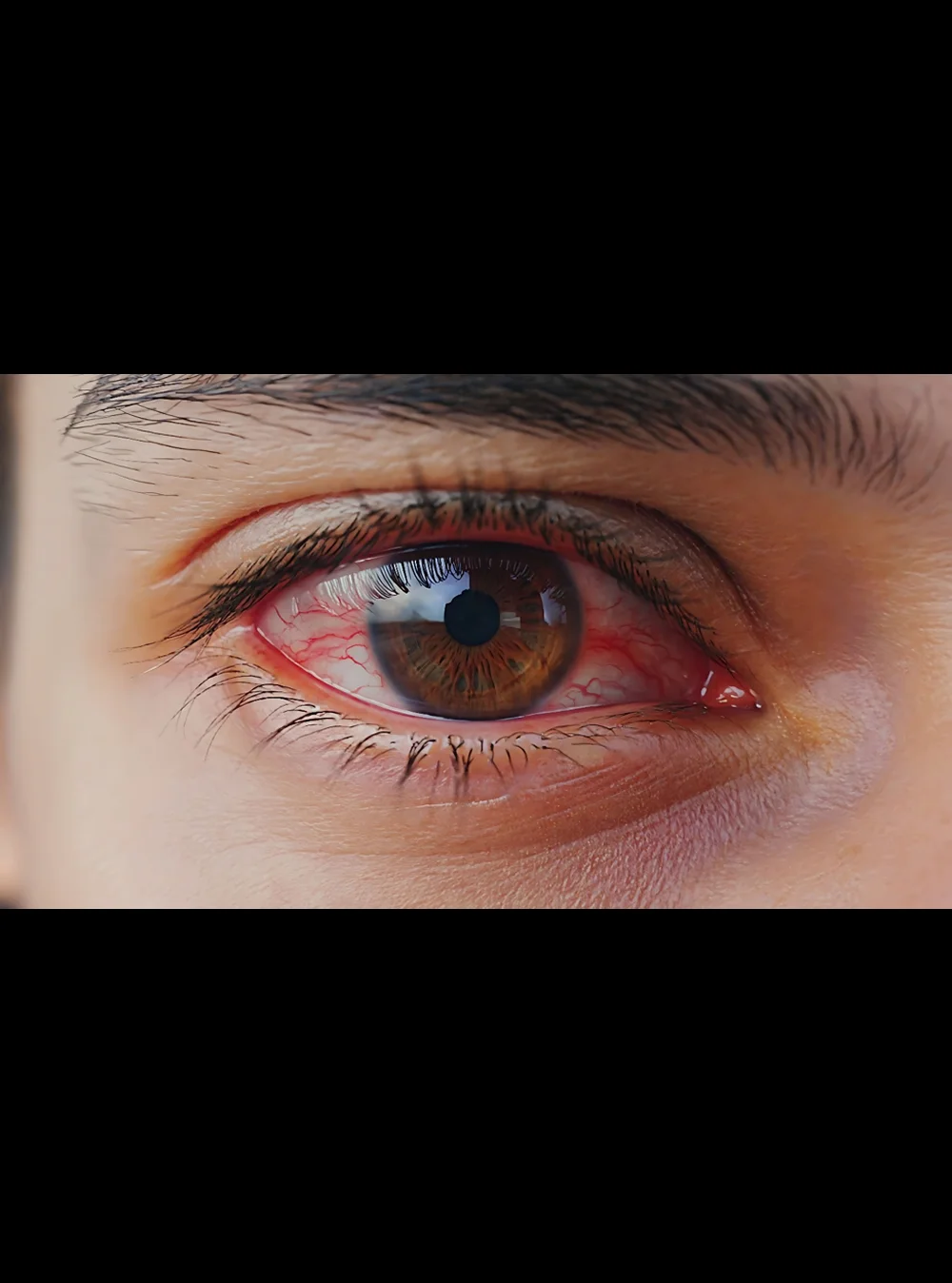
What Is Retinal Cryotherapy?
Retinal cryotherapy is a procedure that uses a specialized freezing probe to treat an area around a retinal tear or hole. The controlled freezing creates inflammation that eventually produces scar tissue. This scar helps create an adhesion between the retina and the underlying tissue, forming a protective barrier around the retinal break.
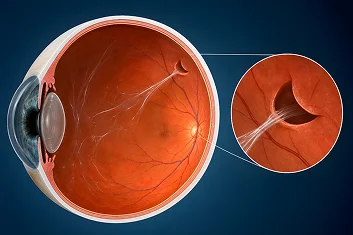
What Is Cryopexy?
Cryopexy is another term for retinal cryotherapy. Both refer to the use of controlled freezing to create a therapeutic scar around a retinal break.
Cryopexy is different from retinal detachment surgery. It may be used to treat certain retinal breaks before a retinal detachment develops. If the retina has already detached, a surgical procedure may be necessary.
When Is Cryotherapy Used?
Retinal cryotherapy may be considered for selected retinal tears and holes, particularly when the affected area cannot be easily reached with laser treatment.
Cryotherapy for Retinal Tear
A retinal tear can occur when the vitreous, the gel inside the eye, pulls on the retina and creates a break. If fluid passes through the tear, it can separate the retina from the underlying tissue and cause a retinal detachment. Cryotherapy for retinal tear creates a scar around the tear to help prevent fluid from passing through the treated area. Not every retinal tear requires cryotherapy. Our retina specialist evaluates the tear's location, appearance, symptoms, and associated risk factors before determining whether treatment is appropriate.
Cryotherapy for Retinal Hole
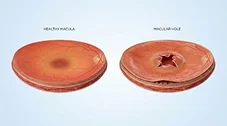
A retinal hole is an opening through the retina. Some holes have a relatively low risk of retinal detachment and may simply be monitored, while others may warrant treatment. Cryotherapy for retinal hole can create a protective scar around the opening when treatment is considered appropriate.
Retinal Tear and Retinal Hole Symptoms
Retinal tears and holes may sometimes cause no symptoms. Others can produce sudden changes in vision.
Possible symptoms include:
Common Symptoms
- New or sudden increase in floaters
- Flashes of light
- A shadow in peripheral vision
Vision Changes
- A dark curtain or veil across the field of vision
- Sudden changes in vision
A sudden increase in floaters or flashes, particularly when combined with a curtain-like shadow or vision loss, requires urgent retinal evaluation.
How Does the Retinal Cryotherapy Procedure Work?
Before treatment, our retina specialist examines the retina to identify the location and characteristics of the retinal break.
During the retinal cryotherapy procedure:
- 1. The eye is examined and prepared for treatment.
- 2. Local anesthetic is used to numb the treatment area and minimize discomfort.
- 3. A specialized cryotherapy probe is positioned against the outside of the eye over the area corresponding to the retinal break.
- 4. Controlled freezing is applied to create a therapeutic response around the tear or hole.
- 5. The resulting scar tissue develops over time and helps secure the retina around the treated area.
Unlike some forms of retinal surgery, the cryotherapy procedure does not require an incision into the retina itself.

Is Cryotherapy Eye Treatment Painful?
Cryotherapy eye treatment can cause pressure, aching, or discomfort during the procedure. Local anesthesia is used to make treatment more tolerable.
Some patients experience temporary soreness or irritation afterward. Significant or worsening pain should be reported to our eye care team.
Retinal Cryotherapy Recovery
The cryotherapy recovery time varies depending on the location and extent of treatment and the patient's individual circumstances.
The freezing treatment itself is relatively brief, but the scar tissue that develops around the retinal break takes time to strengthen. Our retina specialist may recommend temporary restrictions on strenuous activity or other activities while the eye heals. Vision may also be temporarily affected following treatment.
Retinal Cryotherapy Aftercare
Retinal cryotherapy aftercare may include:
Aftercare Steps
- Using prescribed eye drops if recommended
- Avoiding rubbing or putting pressure on the treated eye
- Following temporary activity restrictions
Follow-Up & Monitoring
- Attending recommended follow-up examinations
- Monitoring for new flashes, floaters, shadows, or vision loss
Follow-up examinations are important because treating one retinal break does not prevent another tear or hole from developing elsewhere in the retina.

Retinal Cryotherapy Side Effects
Temporary effects may occur following treatment. Possible retinal cryotherapy side effects include:
- Eye soreness or discomfort
- Redness
- Temporary inflammation
- Blurred vision
- Temporary swelling around the treated area
- Increased floaters or visual disturbances
Most temporary effects improve as the eye heals. However, new or worsening vision changes should be evaluated rather than assumed to be part of normal recovery.
Retinal Cryotherapy Risks
Like any medical treatment, retinal cryotherapy has potential risks. Retinal cryotherapy risks may include inflammation, bleeding, changes in eye pressure, damage to nearby retinal tissue, or incomplete treatment of the retinal break.
There is also a possibility of developing another retinal tear or retinal detachment despite treatment. Our retina specialist will discuss the potential benefits and risks of cryopexy based on the specific retinal condition.
Cryotherapy vs. Laser Retinopexy
Both cryotherapy and laser retinopexy can create scar tissue around a retinal tear or hole to help reduce the risk of retinal detachment. The main difference is how the treatment is delivered:
Laser Retinopexy
- Uses focused laser energy to create controlled burns around the retinal break.
Cryopexy
- Uses controlled freezing applied through a specialized probe.
Laser treatment is commonly used when the retinal break can be reached effectively with laser. Cryotherapy may be useful when the location of the tear makes laser treatment difficult or less appropriate.
The choice depends on the individual retinal findings.
When Should You See a Retina Specialist?
Prompt evaluation is important if you experience:
- Sudden flashes of light
- A sudden increase in floaters
- New peripheral vision loss
- A curtain or shadow across your vision
- Sudden or unexplained vision loss
These symptoms can indicate a retinal tear or retinal detachment and should be evaluated urgently. If you are searching for retinal cryotherapy near me, a comprehensive retinal examination can determine whether cryopexy or another retinal treatment is appropriate.
Why Choose Dr. Paul Hahn?
Dr. Paul Hahn, MD, PhD, FASRS, is a board-certified retina specialist with extensive experience treating retinal diseases and conditions affecting the macula.
He is fellowship-trained in vitreoretinal surgery and has led more than 30 clinical trials with over 100 publications in retinal disease treatment.
At phRETINA in Nanuet, NY, Dr. Hahn combines advanced retinal imaging with evidence-based treatment and personalized care. His approach focuses on helping patients understand their diagnosis and treatment options clearly.
Conclusion
Retinal cryotherapy, also known as cryopexy, uses controlled freezing to create a protective scar around selected retinal tears and holes. It can be an effective treatment when a retinal break requires intervention and laser treatment is not the most appropriate option.
Because retinal tears can progress to retinal detachment, sudden flashes, new floaters, shadows, or vision loss should receive prompt attention. Early retinal evaluation allows our retina specialist to determine whether monitoring, cryopexy, laser retinopexy, or another treatment is appropriate.