
Seeing sudden streaks, flickers, or bursts of light can be alarming. Many people describe these symptoms as lightning streaks, camera flashes, or sparks appearing in their field of view. While flashes in vision can sometimes result from normal age-related changes inside the eye, they may also be an early warning sign of a serious retinal condition.
Because the retina is responsible for converting light into signals that the brain interprets as sight, any symptom involving unexpected flashes deserves attention. Understanding the causes of flashes in vision can help you recognize when symptoms require urgent medical evaluation.

What Are Flashes in Vision?
Flashes occur when the retina is stimulated without an actual light source entering the eye. Patients often describe flashes in vision as:
- Brief streaks of light
- Spark-like flashes
- Flickering lights
- Peripheral flashes
- Lightning-like patterns
Some people experience occasional symptoms, while others notice frequent or persistent episodes.
The appearance of flashes can vary depending on the underlying cause and the area of the retina involved.
1. Posterior Vitreous Detachment (PVD)
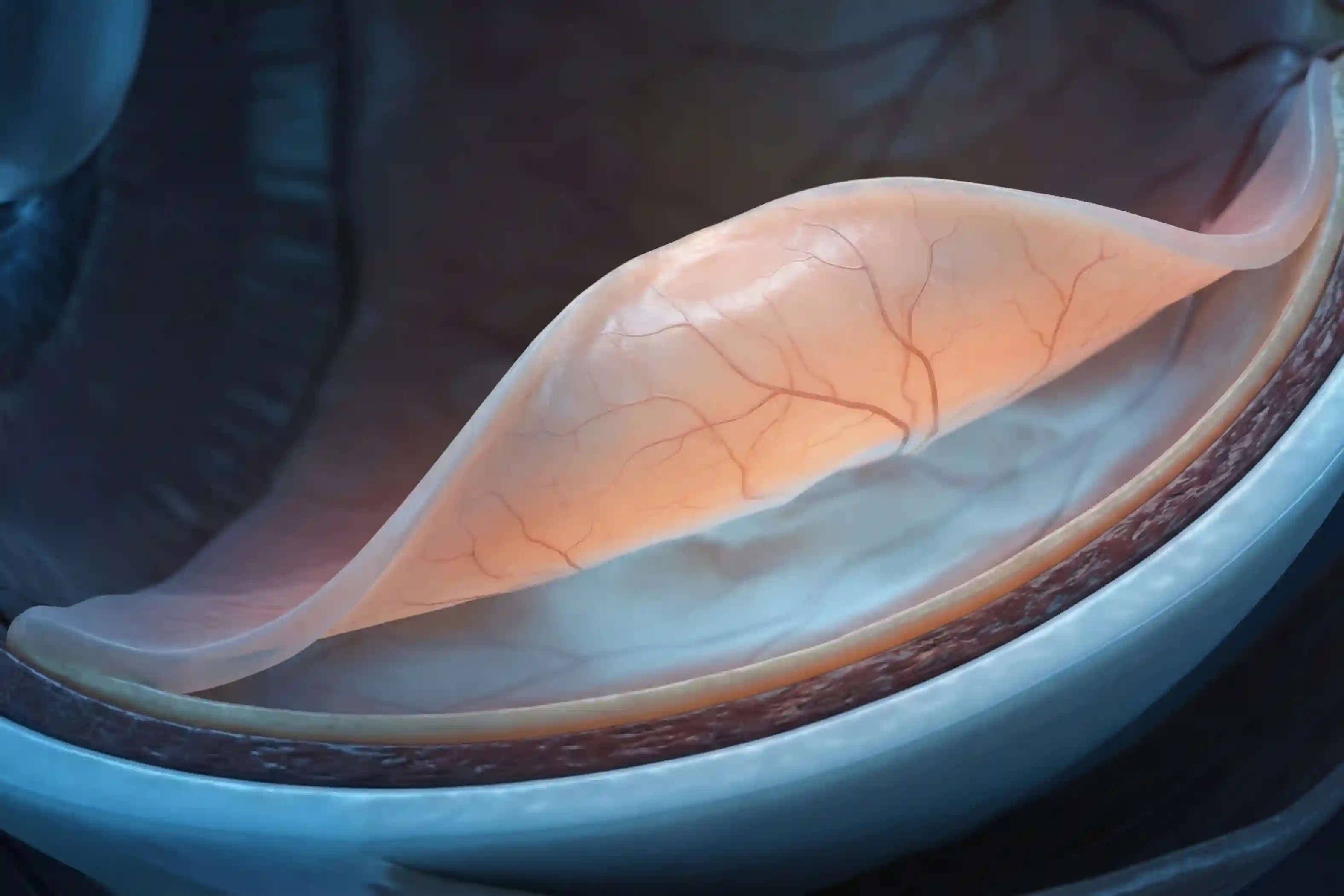
One of the most common causes of flashes in vision is posterior vitreous detachment. The vitreous is a gel-like substance that fills the inside of the eye. As we age, the vitreous gradually shrinks and may separate from the retina.
During this process, traction on the retina can produce eye flashes that appear suddenly, especially in dim lighting conditions. Although PVD is often a normal age-related change, it should still be evaluated because retinal tears can occasionally occur at the same time.
2. Retinal Tear
A retinal tear develops when the vitreous pulls strongly enough to create a break in the retina. Patients with a retinal tear frequently experience flashes in vision along with new floaters.
Because untreated retinal tears can progress to retinal detachment, prompt diagnosis and treatment are critical.
3. Retinal Detachment
Retinal detachment occurs when the retina separates from the back of the eye.
In many cases, flashes in vision are one of the earliest warning signs. Additional symptoms may include:
- Sudden increase in floaters
- Peripheral vision loss
- A curtain-like shadow
- Sudden vision changes
Retinal detachment is a medical emergency that requires immediate attention from a retina specialist.
4. Ocular Migraines
Ocular migraines can create temporary visual disturbances that may resemble flashes.
Patients may experience:
- Seeing lights
- Zigzag patterns
- Shimmering visual effects
- Temporary blind spots
Unlike retinal conditions, migraine-related symptoms often affect both eyes and usually resolve within a short period.
5. Diabetic Retinopathy
Diabetes can damage retinal blood vessels and lead to significant retinal complications.
As diabetic retinopathy progresses, patients may notice flashes in vision, floaters, or blurred vision. These symptoms warrant prompt retinal evaluation to prevent further vision loss.
6. Retinal Vascular Disease
Conditions affecting retinal circulation may also contribute to visual symptoms.
Blocked or damaged retinal blood vessels can interfere with normal retinal function, leading to vision flashes or other visual disturbances.
Early diagnosis is important because retinal vascular disease can threaten long-term vision if left untreated.
7. Eye Trauma
A direct injury to the eye can cause the vitreous to pull on the retina or damage retinal tissue. Following trauma, some patients report a flash in eye immediately after impact or during the recovery period.
Any new flashes following an eye injury should be evaluated by an eye care professional. eye injury should be evaluated by an eye care professional.
8. Inflammation Inside the Eye
Inflammatory conditions affecting the retina or vitreous can sometimes produce flashing eyesight symptoms.
Inflammation may alter retinal function and increase the likelihood of visual disturbances, including flashes and floaters.
Treatment depends on identifying and addressing the underlying cause.
What Is the Meaning of Eye Flashes?
Patients often wonder what eye flashes mean, symptoms can range from harmless to sight-threatening.
While occasional flashes may occur as part of normal vitreous aging, persistent or sudden symptoms can indicate:
- Retinal tear
- Retinal detachment
- Vitreous traction
- Retinal vascular disease
- Ocular inflammation
Determining the exact cause requires a comprehensive retinal examination. the exact cause requires a comprehensive retinal examination.
Symptoms That Should Never Be Ignored
You should seek immediate medical attention particularly if flashes in vision occur alongside:
- New floaters
- Peripheral vision loss
- A dark shadow or curtain
- Sudden vision changes
- Distorted vision
These symptoms may indicate a retinal emergency requiring urgent treatment.

How a Retina Specialist Evaluates Flashes
A retina specialist will perform a detailed examination to determine the cause of flashes in vision.
Testing may include:
- Dilated retinal examination
- Retinal imaging
- Optical coherence tomography (OCT)
- Evaluation of the vitreous and retina
These tests help identify retinal tears, retinal detachment, and other conditions affecting retinal health.
Why Early Evaluation Matters
Some causes of flashes in vision are harmless, while others can lead to permanent vision loss if left untreated.
Early diagnosis allows treatment to begin before significant retinal damage occurs. Patients who seek prompt care often have better visual outcomes, particularly when retinal tears or detachments are identified early.
Conclusion
Flashes in vision are a common symptom that should never be ignored. While they may result from normal age-related changes in the vitreous, they can also signal retinal tears, retinal detachment, or other serious retinal conditions.
Recognizing the warning signs and seeking timely evaluation can help protect your vision and prevent long-term complications.
Expert Retina Care Matters
At phRETINA, in Nanuet, NY, Dr. Paul Hahn provides specialized diagnosis and treatment for a wide range of retinal conditions.
If you are experiencing flashes in vision, new floaters, or other concerning visual symptoms, a comprehensive retinal evaluation can help identify the cause and determine the most appropriate treatment to protect your sight.
Frequently Asked Questions
-
What causes eye flashes?
Common causes of flashes in vision include posterior vitreous detachment, retinal tears, retinal detachment, ocular migraines, and retinal vascular disease. -
Are eye flashes always a sign of a retinal problem?
No. Some eye flashes occur because of normal vitreous changes, but sudden or persistent symptoms should always be evaluated. -
What does a flash in the eye feel like?
Many patients describe a flash in their eye as a lightning streak, spark, flicker, or brief burst of light that appears without an external light source. -
When should I see a retina specialist for flashes in vision?
You should see a retina specialist immediately if flashes occur with new floaters, vision loss, a shadow in your vision, or other sudden visual changes.