
Noticing small spots, threads, or cobweb-like shapes drifting across your vision can be unsettling. Many people experience floaters in the eye at some point but understanding what they are and when they may indicate a more serious problem is important for protecting your vision.
In many cases, floaters are harmless and occur as part of the natural aging process. However, sudden changes in the number or appearance of floaters can sometimes signal a retinal condition that requires prompt medical attention. Knowing what floaters in the eye are and recognizing warning signs can help you seek care when it matters most.
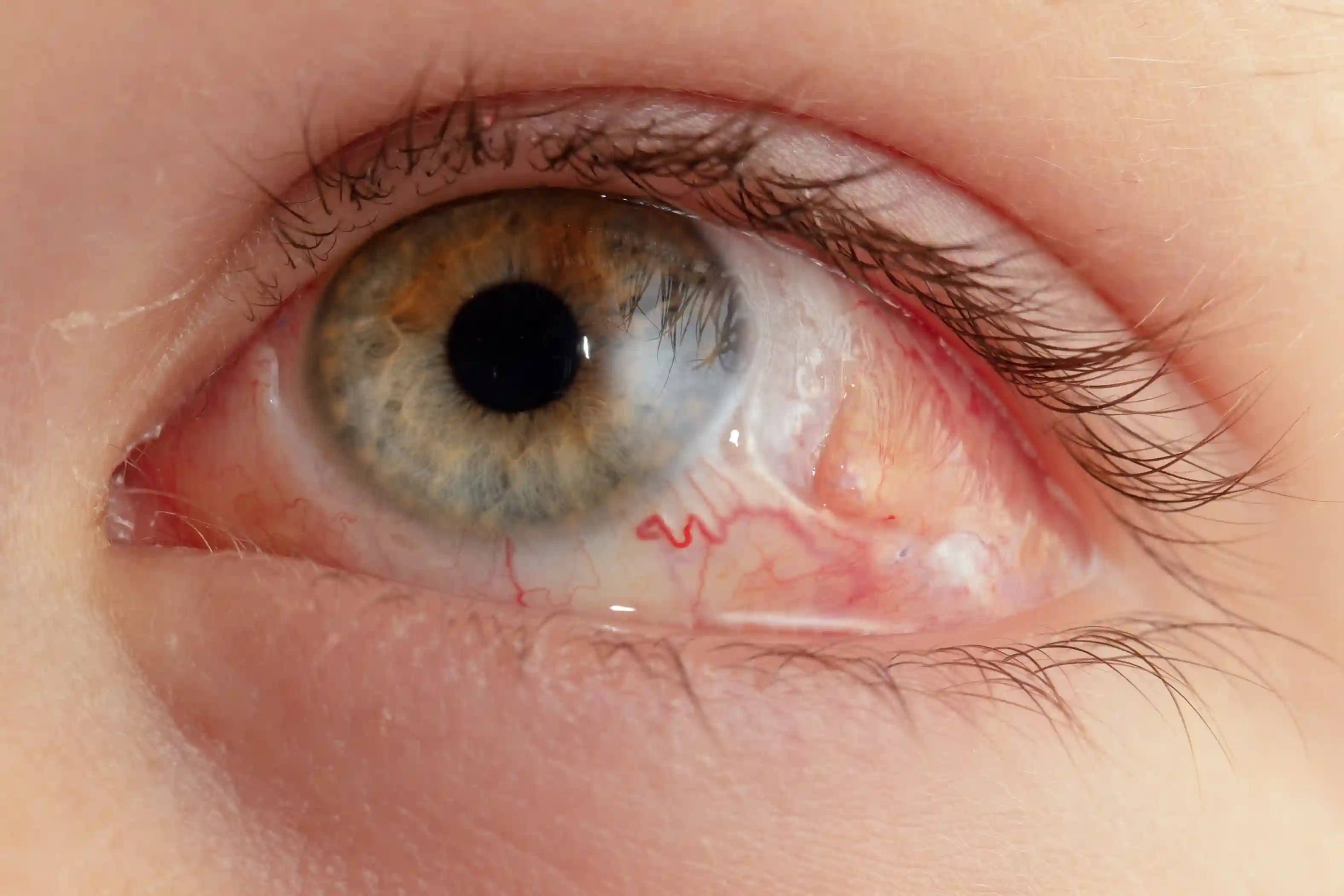
What Are Floaters in the Eye?
Patients frequently ask, what are floaters in vision?
Floaters are tiny clumps of collagen or other material suspended within the vitreous, the gel-like substance that fills the inside of the eye. As light enters the eye, these particles cast shadows on the retina, creating the appearance of moving spots or shapes.
Many people also ask, "What is a floater” A floater is not actually on the surface of the eye. Instead, it exists within the vitreous and moves as the eye moves. Because these particles drift inside the eye, floaters in the eye often seem to move away when you try to look directly at them.
What Do Floaters Look Like?
Patients describe floaters differently depending on their size and location.
Common descriptions include:
- Small dots or specks
- Cobweb-like strands
- Thread-like lines
- Transparent circles
- Gray shadows
- Black floaters in eyes
If you are wondering what floaters look like, they often become more noticeable when looking at a bright background such as a clear sky, white wall, or computer screen.

What Causes Floaters in the Eye?
This is one of the most common questions patients ask.
Natural Aging Changes
As we age, the vitreous gel gradually becomes more liquid. Tiny fibers within the gel can clump together and create floaters. This process is extremely common and often occurs without causing serious problems.
Posterior Vitreous Detachment
A posterior vitreous detachment occurs when the vitreous separates from the retina. This condition frequently causes new floaters in the eye and may also be associated with flashes of light.
Retinal Tears
In some cases, the vitreous can pull strongly on the retina, creating a retinal tear. When this happens, patients may suddenly notice floaters in the eye along with flashes or changes in vision.
Retinal Detachment
Retinal detachment is a serious condition that can begin with a sudden increase in floaters in the eye. Because retinal detachment can threaten permanent vision loss, immediate evaluation is necessary when symptoms develop.
Bleeding Inside the Eye
Conditions such as diabetic retinopathy may cause bleeding into the vitreous cavity. Blood cells floating within the eye may appear as black floaters in the eyes and can significantly affect vision.
When Are Floaters Considered Normal?
For many people, occasional floaters in the eye are a normal part of aging.
Floaters that:
- Develop gradually
- Remain stable
- Do not affect vision significantly
- Are often monitored without treatment
However, even long-standing floaters should be discussed during routine eye examinations.
When to Worry About Floaters
Patients commonly ask when to worry about floaters.
You should seek prompt medical attention if you experience:
- A sudden increase in floaters in the eye
- Flashes of light
- A curtain or shadow across your vision
- Peripheral vision loss
- Sudden vision changes
- Sudden floaters in one eye
These symptoms may indicate a retinal tear or retinal detachment that requires urgent treatment.

Do Floaters Go Away?
Another common question is do floaters go away?
In many cases, floaters become less noticeable over time. The brain often adapts to their presence and gradually learns to ignore them.
While some floaters may settle lower within the eye, others can remain visible for years. Most patients find that floaters in the eye become less bothersome as time passes.
How Are Floaters Evaluated?
A comprehensive retinal examination is often recommended when new floaters develop.
A retina specialist may perform:
- Dilated retinal examination
- Retinal imaging
- Evaluation of the vitreous and retina
- Assessment for retinal tears or detachment
These tests help determine whether floaters in the eye are harmless or associated with a more serious retinal condition.
Treatment Options for Floaters
Most floaters do not require treatment. If floaters significantly interfere with daily activities, treatment options may include:
Observation
The majority of patients simply require monitoring.
Vitrectomy
In selected cases, a surgical procedure called vitrectomy may be considered to remove the vitreous and associated floaters.
The appropriate approach depends on the cause and severity of floaters in the eye.
Why Regular Retinal Exams Matter
Many retinal conditions can initially be present with symptoms that resemble ordinary floaters.
Routine retinal examinations can help identify retinal tears, retinal detachment, diabetic retinopathy, and other conditions before significant vision loss occurs.
Patients who experience new floaters in the eye should not assume the symptoms are harmless without a proper evaluation.
Conclusion
Floaters are common and often result from normal age-related changes within the vitreous gel. In many cases, they are harmless and become less noticeable over time.
However, a sudden increase in floaters, flashes of light, or sudden vision changes can indicate a serious retinal condition. Understanding and recognizing these warning signs can help ensure timely diagnosis and treatment when needed.
Expert Retina Care Matters
At phRETINA, in Nanuet, NY, Dr. Paul Hahn provides expert diagnosis and treatment for retinal conditions using advanced retinal imaging and personalized care plans tailored to each patient's needs.
If you notice new floaters, flashes of light, or changes in your vision, prompt evaluation can help detect retinal problems early and preserve your long-term sight.
Frequently Asked Questions
-
What causes floaters in the eye?
Common causes include age-related vitreous changes, posterior vitreous detachment, retinal tears, retinal detachment, and bleeding within the eye. -
What are floaters in vision?
Floaters are small shadows created by particles inside the vitreous gel that drift across the field of vision. -
Do floaters go away on their own?
Some floaters become less noticeable over time as the brain adapts to them, although they may not disappear completely. -
When to worry about floaters?
You should seek prompt medical attention if floaters appear suddenly, increase rapidly, occur with flashes of light, or are accompanied by vision loss.