Retinal Vascular Disease Symptoms & Treatment
- Home
- General
Retinal Vascular Disease Symptoms & Treatment
Have you experienced sudden vision loss, blurred vision, or changes in your side vision? These may be retinal vascular disease symptoms, which can occur when the blood vessels supplying the retina become blocked or damaged.
Some retinal vascular conditions develop gradually, while others require immediate medical attention. Understanding the warning signs and seeking prompt care can help protect your vision and reduce the risk of long-term retinal damage.
What Is Retinal Vascular Disease?
Retinal vascular disease refers to a group of conditions that affect the blood vessels of the retina. Because the retina relies on a healthy blood supply to function properly, any interruption in circulation can affect vision.
Two of the most common types of retinal blood vessel disease are:
- Retinal artery occlusion: where blood flow to the retina is reduced or blocked.
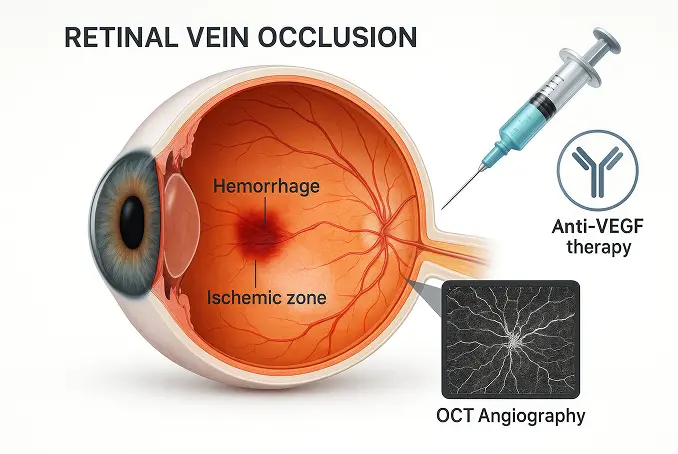
- Retinal vein occlusion: where a retinal vein becomes blocked, preventing blood from draining normally.
Both conditions require prompt evaluation by our retina specialist to determine the cause and recommend appropriate treatment.
Retinal Vascular Disease Symptoms
The severity of retinal vascular disease symptoms depends on the type of condition and the extent of retinal involvement.
Common symptoms include:
- Sudden vision loss
- Blurred central vision
- Vision distortion
- Peripheral vision loss
- Dark or missing areas in your vision
- Difficulty reading or recognizing faces
- Floaters
- Flashes of light in some cases
These symptoms may affect one eye or both eyes. Even if they improve on their own, they should never be ignored, as they may indicate a serious retinal condition.
What Causes Retinal Vascular Disease?
Several medical conditions and lifestyle factors can increase the risk of developing retinal vascular disease.
Medical Risk Factors
- High blood pressure
- Diabetes
- High cholesterol
- Glaucoma
Lifestyle & Vascular Factors
- Smoking
- Cardiovascular disease
- Blood clotting disorders
Managing these conditions and scheduling regular eye examinations can help reduce your risk of vision-threatening retinal complications.
When Should You See a Retina Specialist?
Some retinal conditions require urgent treatment to help preserve vision.
You should schedule an evaluation as soon as possible if you experience:
- Sudden changes in vision
- Sudden vision loss
- Increasing vision distortion
- New flashes of light
- Persistent peripheral vision loss
- A dark area or shadow affecting your vision
Prompt diagnosis allows our retina specialist to identify the underlying cause and begin treatment before additional retinal damage occurs.

How Is Retinal Vascular Disease Diagnosed?
At phRETINA, Retina Specialist Dr. Paul Hahn performs a comprehensive retinal evaluation to identify the cause of your symptoms and determine the most appropriate treatment plan.
Imaging & Structural Tests
- Dilated retinal examination
- Optical Coherence Tomography (OCT)
- Retinal imaging
Functional & Vascular Tests
- Fluorescein angiography, when needed
- Visual acuity testing
These advanced diagnostic tools provide detailed information about the retina and its
blood vessels, allowing for accurate
diagnosis and personalized care.
Retinal Vascular Disease Treatment
Retinal vascular disease treatment depends on the specific condition affecting the retina, the severity of your symptoms, and how quickly treatment begins. At phRETINA, our retina specialist develops a personalized treatment plan based on your diagnosis and overall eye health.
Treatment may include:
- Anti-VEGF injections to reduce retinal swelling and improve vision
- Corticosteroid therapy for selected patients
- Laser treatment for certain retinal conditions
- Management of underlying health conditions such as diabetes and high blood pressure
- Regular monitoring with retinal imaging to track your progress
Early diagnosis and treatment can help preserve vision and reduce the risk of further retinal damage.
Why Choose Dr. Paul Hahn for Retinal Vascular Disease Care?
Retinal vascular diseases require prompt diagnosis and specialized care to protect your vision.
At phRETINA, Retina Specialist Dr. Paul Hahn combines advanced retinal imaging with extensive clinical and surgical expertise to diagnose and manage a wide range of retinal vascular conditions. Every patient receives a personalized treatment plan focused on preserving vision and supporting long-term retinal health.
Patients throughout Nanuet, NY, trust phRETINA for physician-led retinal care backed by advanced technology and evidence-based treatment.
Frequently Asked Questions
Conclusion
Recognizing retinal vascular disease symptoms early can make a significant difference in protecting your vision. Whether symptoms develop gradually or occur suddenly, prompt evaluation is essential to identify the underlying cause and begin the appropriate treatment.
At phRETINA, Retina Specialist Dr. Paul Hahn provides comprehensive diagnosis and personalized care for retinal vascular conditions using advanced imaging and evidence-based treatment. Patients throughout Nanuet, NY, receive expert retinal care focused on preserving vision and maintaining long-term eye health.
Experiencing sudden vision changes?
Schedule a comprehensive retinal evaluation today.