
Eye Floaters & Flashes of Light
- Home
- General
Eye Floaters & Flashes of Light
Floaters & Flashes are among the most common visual symptoms that lead patients to seek retinal care. While many floaters and flashes are harmless age-related changes, they can sometimes signal a retinal tear or retinal detachment that requires urgent treatment.
Understanding the difference between normal vitreous changes and potentially serious retinal conditions is important. New or worsening symptoms should never be ignored, particularly when they occur suddenly.
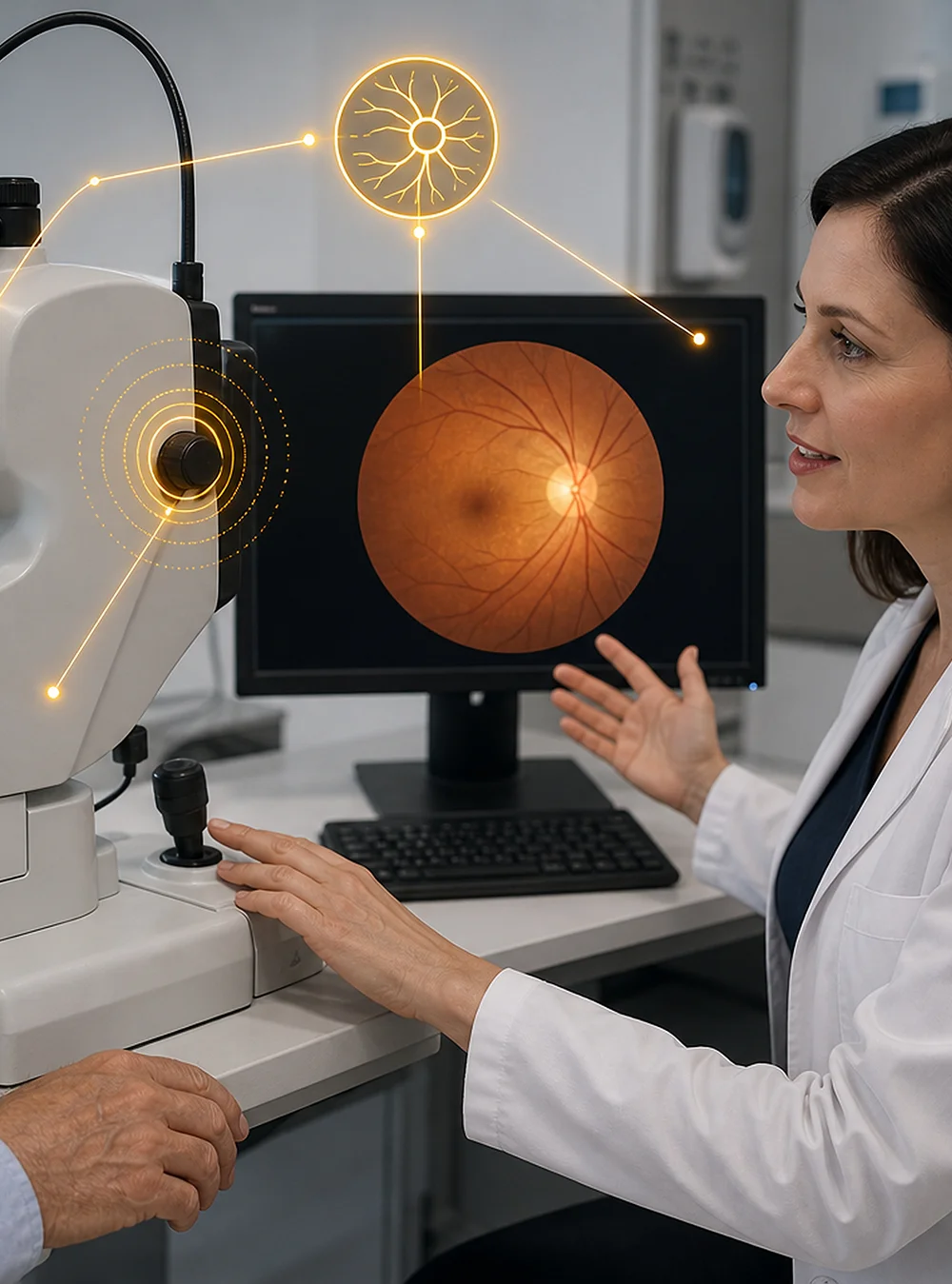
At phRETINA, our retina specialists use advanced retinal imaging and comprehensive eye examinations to determine the cause of Floaters & Flashes and identify whether treatment is needed.

What Are Floaters?
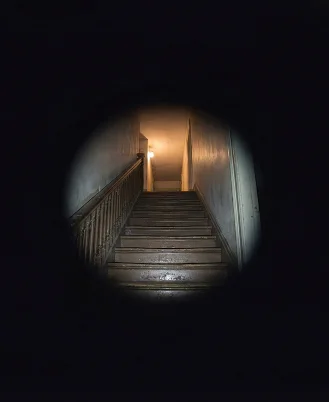
Floaters are small shapes that appear to drift across your field of vision.
Patients may describe them as:
- Dots
- Cobwebs
- Threads
- Spots
- Squiggly lines
- Shadows
Floaters often move as the eye moves and may be more noticeable when looking at a bright background such as a clear sky or white wall. Many people experience vision with floaters as they age due to natural changes in the vitreous gel inside the eye.
What Are Flashes?
Flashes occur when the vitreous pulls on the retina and stimulates retinal cells.
Patients often describe:
- Flashing lights in eye
- Brief streaks of light
- Lightning-like flashes
- Flickering lights in peripheral vision
Some individuals experience flashes of light in eye intermittently, while others notice them more frequently. Flashes can occur even when no external light source is present.


Why Do Floaters and Flashes Occur?
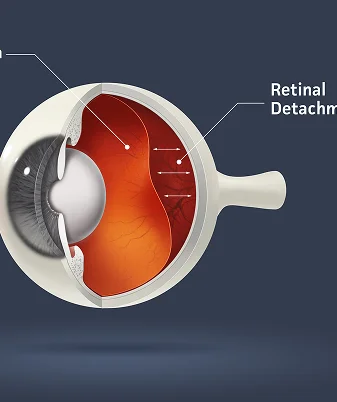
The most common cause of Floaters & Flashes is age-related vitreous changes. As the vitreous gel naturally shrinks over time, it may separate from the retina in a process called posterior vitreous detachment (PVD).
Common Causes Include
- Posterior vitreous detachment
- Aging changes within the vitreous
- Retinal tears
- Retinal detachment
- Eye trauma
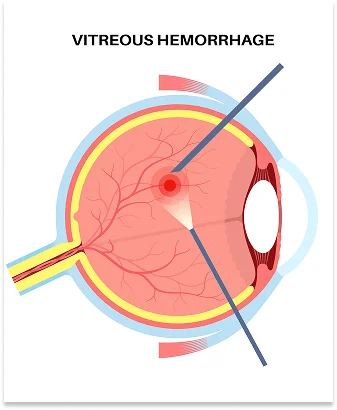
- Vitreous hemorrhage
- Inflammatory eye conditions
Although many cases are benign, some causes require prompt retinal evaluation.
Sudden Floaters in One Eye
Sudden floaters in one eye should be taken seriously, especially when accompanied by flashes or vision changes.
Warning signs may include:
- A sudden increase in floaters
- Numerous new dark spots
- Associated flashes of light
- Blurred vision
- Loss of peripheral vision
These symptoms can indicate a retinal tear or early retinal detachment and should be evaluated immediately. At phRETINA, urgent retinal evaluations are available for patients experiencing sudden visual symptoms.




Flashes of Light in Vision
Many patients are concerned when they begin seeing flashes of light. Flashes of light in vision occur when mechanical traction stimulates the retina.
Common Descriptions
- Camera-flash effects
- Lightning streaks
- Peripheral flickering
- Brief flashes in vision
While occasional flashes may occur during vitreous changes, persistent or increasing symptoms should be evaluated by a retina specialist.
Seeing Flashes of Light: When Should You Be Concerned?
Seeing flashes of light can be a normal part of vitreous aging, but certain symptoms require urgent attention.
Seek Immediate Evaluation If You Notice
- Sudden onset of flashes
- New floaters
- Increasing flashes in vision
- A shadow or curtain over vision
- Peripheral vision loss
- Blurred vision associated with flashes
These symptoms may indicate retinal damage requiring prompt treatment.



Can Floaters and Flashes Signal a Retinal Tear?
Yes. One of the most important reasons for evaluating Floaters & Flashes is to rule out a retinal tear. When the vitreous pulls strongly on the retina, a tear can develop.
Symptoms of a Retinal Tear May Include
- Sudden floaters
- Flashes of light in eye
- New visual disturbances
- Peripheral vision changes
If untreated, a retinal tear can progress to retinal detachment. Early diagnosis often allows treatment before more serious complications develop.
Can Floaters and Flashes Indicate Retinal Detachment?
Retinal detachment is a vision-threatening emergency that may begin with Floaters & Flashes.
Common symptoms include:
- Sudden increase in floaters
- Flashes of light in vision
- A curtain-like shadow
- Loss of peripheral vision
- Blurred vision
Prompt treatment offers the best chance of preserving vision.


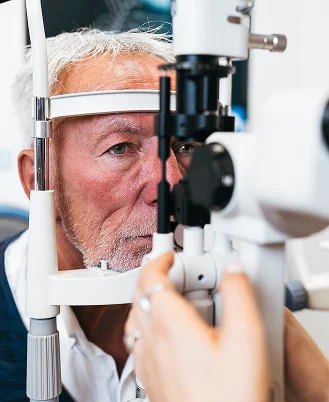
Eye Exam for Floaters
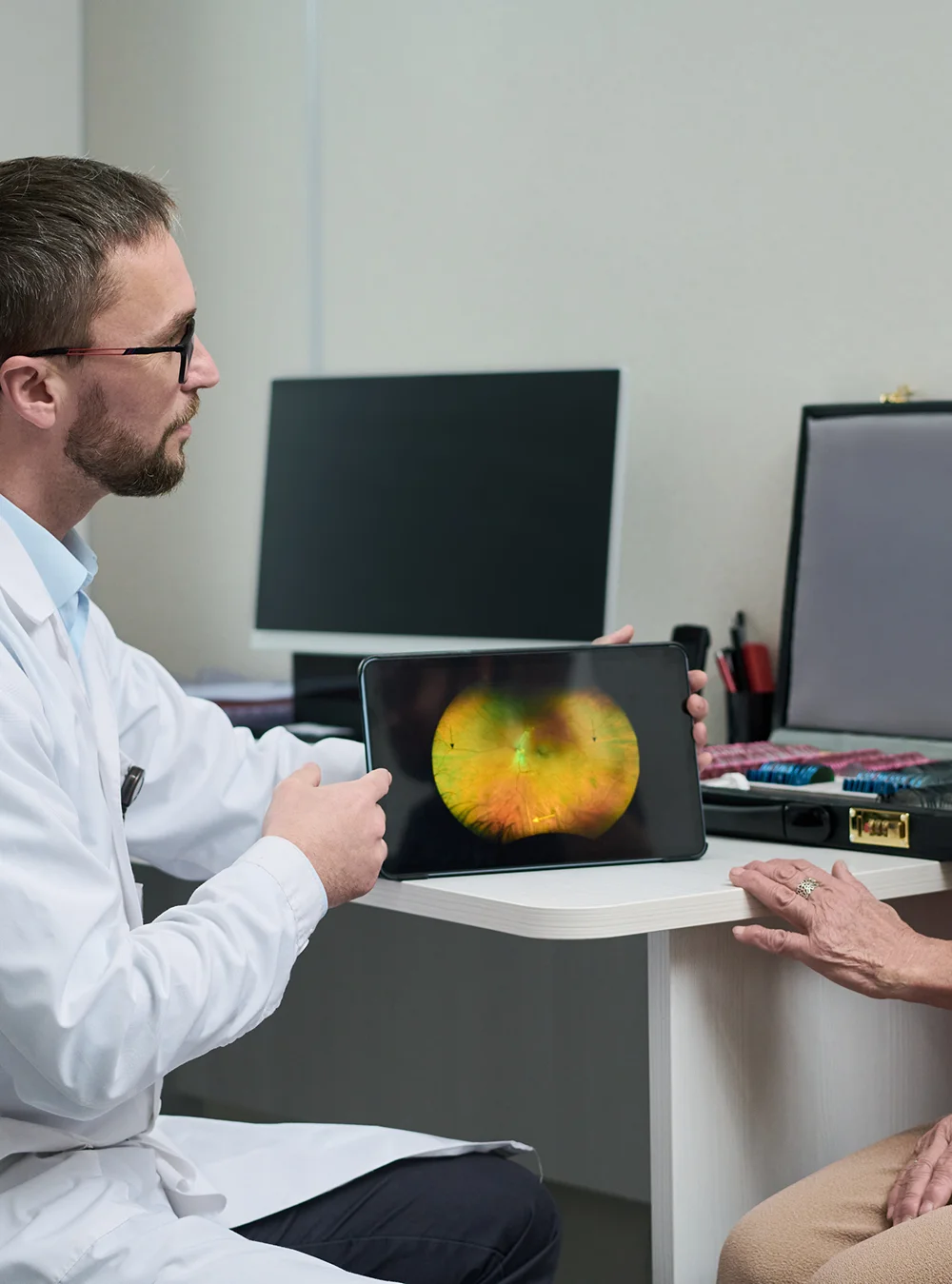
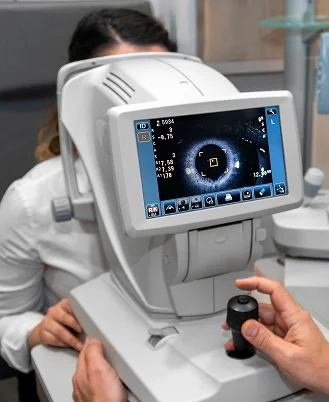
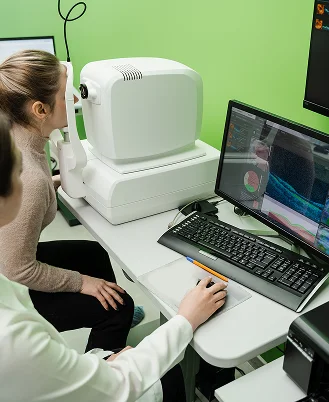
An eye exam for floaters is the most effective way to determine whether symptoms are related to normal vitreous changes or a retinal condition.
What the Evaluation May Include
- Dilated retinal examination
- Retinal imaging
- Optical Coherence Tomography (OCT)
- Wide-field retinal photography
- Assessment for retinal tears or detachment
At phRETINA, advanced diagnostic technology allows our specialists to thoroughly evaluate Floaters & Flashes and identify any retinal abnormalities.
How Floaters and Flashes Are Treated
Treatment depends on the underlying cause.
Observation
Many age-related floaters and flashes require monitoring only.
Retinal Tear Treatment
Laser treatment or cryotherapy may be recommended if a retinal tear is detected.
Retinal Detachment Repair
Surgical treatment may be necessary when retinal detachment occurs.
Management of Underlying Retinal Disease
Additional retinal conditions may require individualized treatment plans.
Our specialists develop recommendations based on each patient's diagnosis and visual needs.
Why Early Evaluation Matters
Prompt assessment of Floaters & Flashes can help identify retinal problems before significant vision loss occurs.
Benefits of early evaluation include:
- Detection of retinal tears
- Prevention of retinal detachment
- Earlier treatment
- Protection of vision
- Improved long-term outcomes
Even symptoms that seem mild may warrant a comprehensive retinal examination.



Why Choose phRETINA?
Patients experiencing Floaters & Flashes benefit from specialized retinal care.
At phRETINA, we provide:
Retina-Focused Expertise
Dedicated diagnosis and treatment of retinal conditions.
Advanced Diagnostic Imaging
Detailed retinal evaluation using state-of-the-art technology.
Personalized Care
Treatment plans tailored to each patient's symptoms and diagnosis.
Comprehensive Follow-Up
Ongoing monitoring to protect long-term retinal health.
At phRETINA, Dr. Paul Hahn provides advanced retinal imaging, expert diagnosis, and personalized care designed to protect your retinal health.
Helpful Information for New and Returning Patients
Schedule a Retinal Evaluation
A comprehensive retinal examination can help determine the cause and identify whether treatment is needed.