
Diabetic Retinopathy Treatment Near Rockland County
- Home
- General
Diabetic Retinopathy Treatment
Diabetes can affect more than blood sugar levels. Over time, high blood sugar can damage the small blood vessels that supply the retina, leading to diabetic retinopathy and potentially affecting your vision. If you are looking for diabetic retinopathy treatment near Rockland County, phRETINA provides specialized retinal care in Nanuet, NY. Dr. Paul Hahn, MD, PhD, FASRS, is a fellowship-trained retina specialist who focuses on the diagnosis and treatment of complex retinal conditions, including diabetic retinopathy.
He also holds leadership roles as part of the Executive Committee in line to be President of the American Society of Retina Specialists, the largest organization of retina specialists in the world.

Understanding Diabetic Retinopathy
What Is Diabetic Retinopathy?
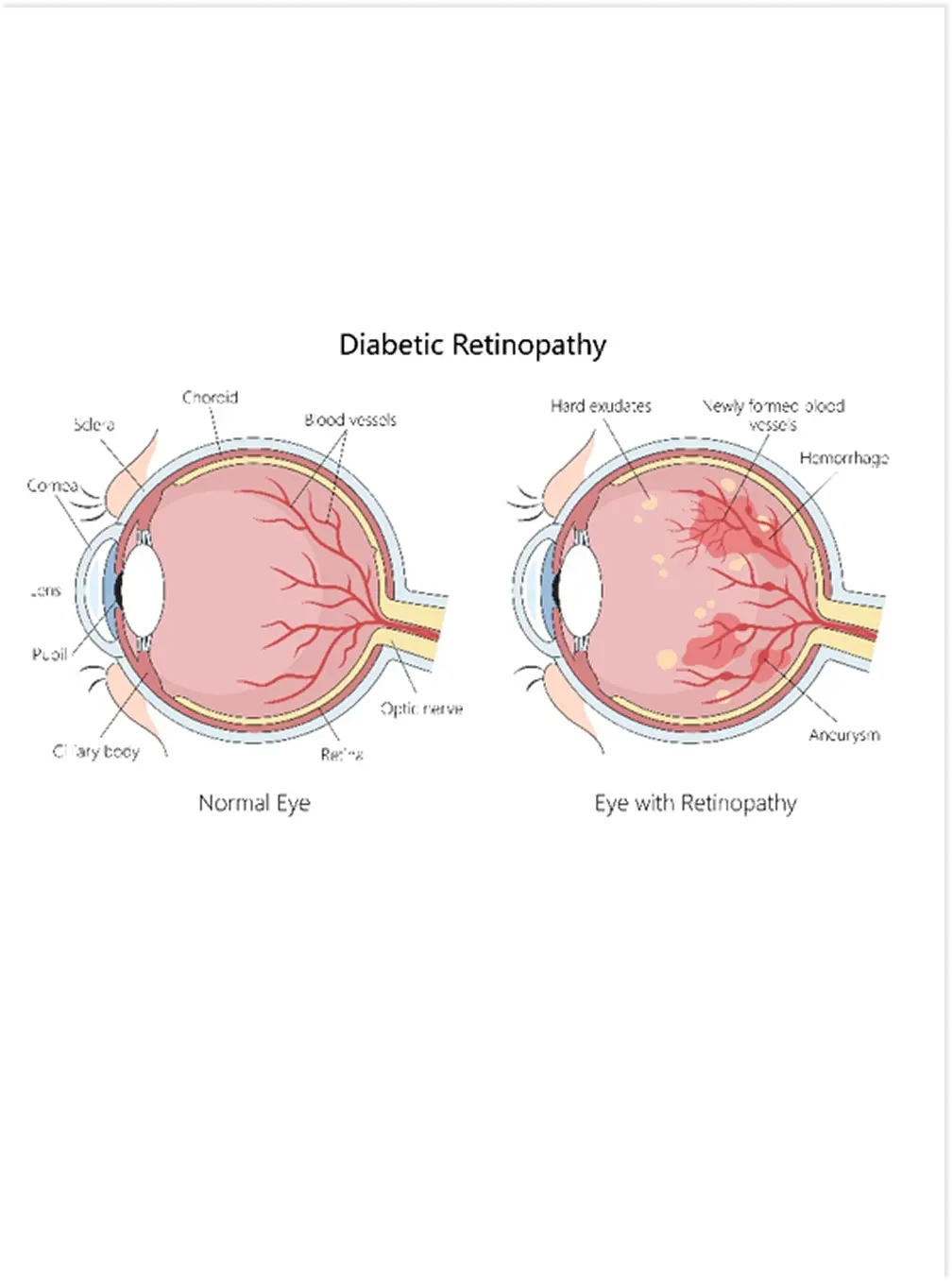
Diabetic retinopathy develops when prolonged high blood sugar damages the blood vessels in the retina. In earlier stages, there may be few or no noticeable symptoms. As the condition progresses, damaged vessels can leak fluid or blood, and abnormal blood vessels may develop.
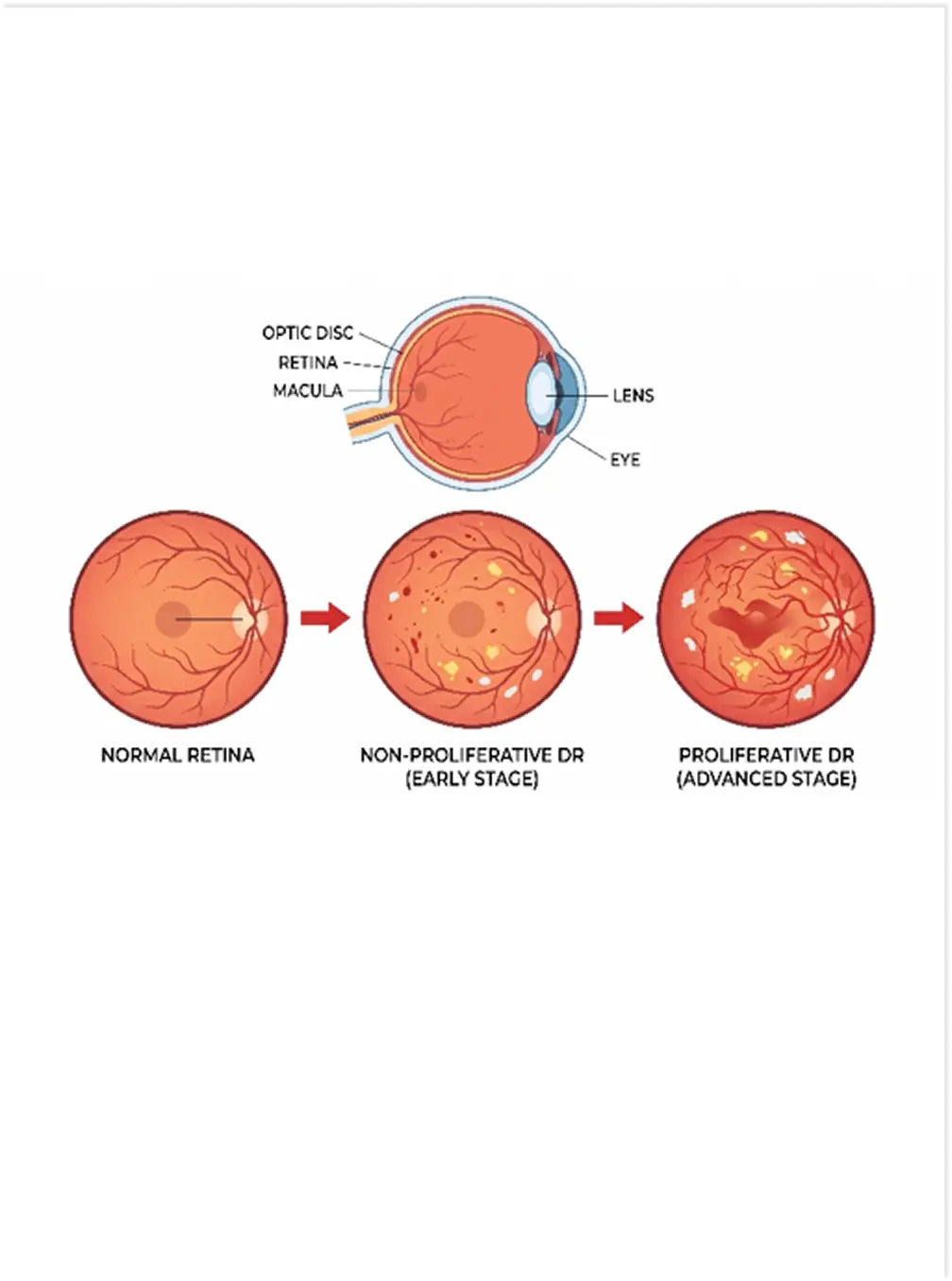
There are two broad stages:
- Nonproliferative diabetic retinopathy: Damaged retinal blood vessels may leak fluid or blood and cause swelling.
- Proliferative diabetic retinopathy: Abnormal blood vessels can grow on the retina and may bleed, increasing the risk of serious vision complications.
Because diabetic retinopathy can progress before noticeable symptoms appear, regular retinal examinations are important for people with diabetes.
Diabetic Retinopathy Symptoms
Not everyone experiences symptoms early. When symptoms occur, they may include:
Vision Changes
- Blurred or fluctuating vision
- Changes in central vision
Eye Symptoms
- Dark spots or floaters
- Difficulty seeing at night
Advanced Symptoms
- Sudden changes or loss of vision in more advanced cases
Any sudden change in vision should receive prompt medical attention.
Diabetic Retinopathy Treatment Near Rockland County
Treatment depends on the stage of diabetic retinopathy, the presence of retinal swelling/bleeding, & the overall condition of the retina. Dr. Hahn evaluates each patient individually before recommending a treatment plan.
Advanced Retinal Monitoring
Detailed retinal imaging helps Dr. Hahn identify changes that may not be visible through symptoms alone. OCT and other diagnostic imaging can help monitor retinal swelling, fluid, bleeding, and disease progression.
Intravitreal Injections for Diabetic Retinopathy
For certain patients, medication delivered through an intravitreal injection can help manage retinal swelling and abnormal blood vessel activity.
Injection treatment can understandably make patients nervous. Dr. Hahn places particular emphasis on making these procedures as comfortable as possible. Patients have specifically described their injections as painless, reflecting the gentle technique and patient-focused care provided at phRETINA.
PRP for Diabetic Retinopathy
For appropriate cases, panretinal photocoagulation (PRP) may be used to treat areas of the retina affected by abnormal blood vessel growth. Whether PRP is appropriate depends on the severity and characteristics of the disease.
Dr. Hahn evaluates the retina carefully before recommending laser treatment or combining it with other therapies.
Managing Diabetic Retinopathy
Treatment is only one part of protecting retinal health. Managing diabetes and other health factors, following the recommended eye examination schedule, and keeping regular follow-up appointments can all play an important role in managing diabetic retinopathy.
Your retinal treatment plan should work alongside the care you receive from your primary care physician, endocrinologist, or other healthcare providers.
Why Patients Near Rockland County Choose phRETINA
When diabetic retinopathy requires specialized care, experience matters. phRETINA is a physician-led retina practice focused specifically on retinal conditions and evidence-driven treatment.
Dr. Paul Hahn, MD, PhD, FASRS
Dr. Paul
Hahn
is a board-certified, fellowship-trained retina specialist
with more than 15 years of academic, clinical, and surgical
experience. He completed his undergraduate education at
Harvard University, earned his MD and PhD at the University
of Pennsylvania, completed ophthalmology residency at the
Scheie Eye Institute, and pursued fellowship training in
vitreoretinal diseases and surgery at Duke University Eye
Center.
His background extends beyond clinical practice. Dr. Hahn
has served as an Assistant Professor at Duke, led more than
30 clinical trials as a principal investigator, published
more than 100 peer-reviewed articles and book chapters, and
has held leadership roles within the field of retinal
medicine.


Retina Care Focused on Your Individual Needs
At phRETINA, diabetic retinopathy care is not approached as a one-size-fits-all process.
Your evaluation may include:
- A retinal examination
- Advanced retinal imaging
- Assessment of retinal swelling or abnormal blood vessels
- Monitoring for disease progression
- Discussion of medication, laser, or other appropriate treatment options
- Ongoing follow-up based on your retinal health
Dr. Hahn oversees the evaluation, treatment decisions, and follow-up process, providing continuity of care throughout your treatment.
Why Choose phRETINA for Diabetic
Retinopathy Care?
1.
Retina Subspecialty Expertise
phRETINA focuses specifically on retinal conditions, with Dr. Hahn bringing fellowship training and extensive clinical and surgical experience to each evaluation.
2.
Evidence-Driven Treatment
Dr. Hahn's involvement in clinical research and retinal medicine helps inform a treatment approach grounded in current evidence and advances in the field.
3.
Advanced Diagnostics
Detailed retinal imaging helps identify and monitor changes in the retina, allowing treatment decisions to be based on the condition of your eyes rather than symptoms alone.
4.
Comfortable, Patient-Focused Care
From evaluation through treatment, the goal is to make patients feel informed and comfortable. This is particularly important for patients who may be anxious about retinal injections or other procedures.
What Patients Say About Dr. Hahn
Patients frequently highlight Dr. Hahn's communication, precision, and approach to treatment.
“Dr. Hahn explained everything clearly, never rushed, and treated me with compassion and respect.”
“The office is very well run; efficient and gentle. From check-in to procedure, everything was seamless.”
“Everyone at your facility was exceptional. I had total trust in Dr. Hahn .”
Frequently Asked Questions
Get Specialized Diabetic Retinopathy Care Near Rockland County
If you have diabetes, have noticed changes in your vision, or have been diagnosed with diabetic retinopathy, a complete retinal evaluation can help determine what care you may need.