
The retina depends on a steady supply of oxygen and nutrients from a network of small blood vessels. When these vessels become blocked, damaged, or leaky, the retina may swell, bleed, or lose its normal blood supply. These problems are collectively known as retinal vascular conditions.
Some retinal blood vessel problems develop slowly, while others can cause sudden changes in vision. Understanding the underlying cause is important because treatment varies depending on which vessels are affected and how the retina has been damaged.
What Are Retinal Vascular Conditions?
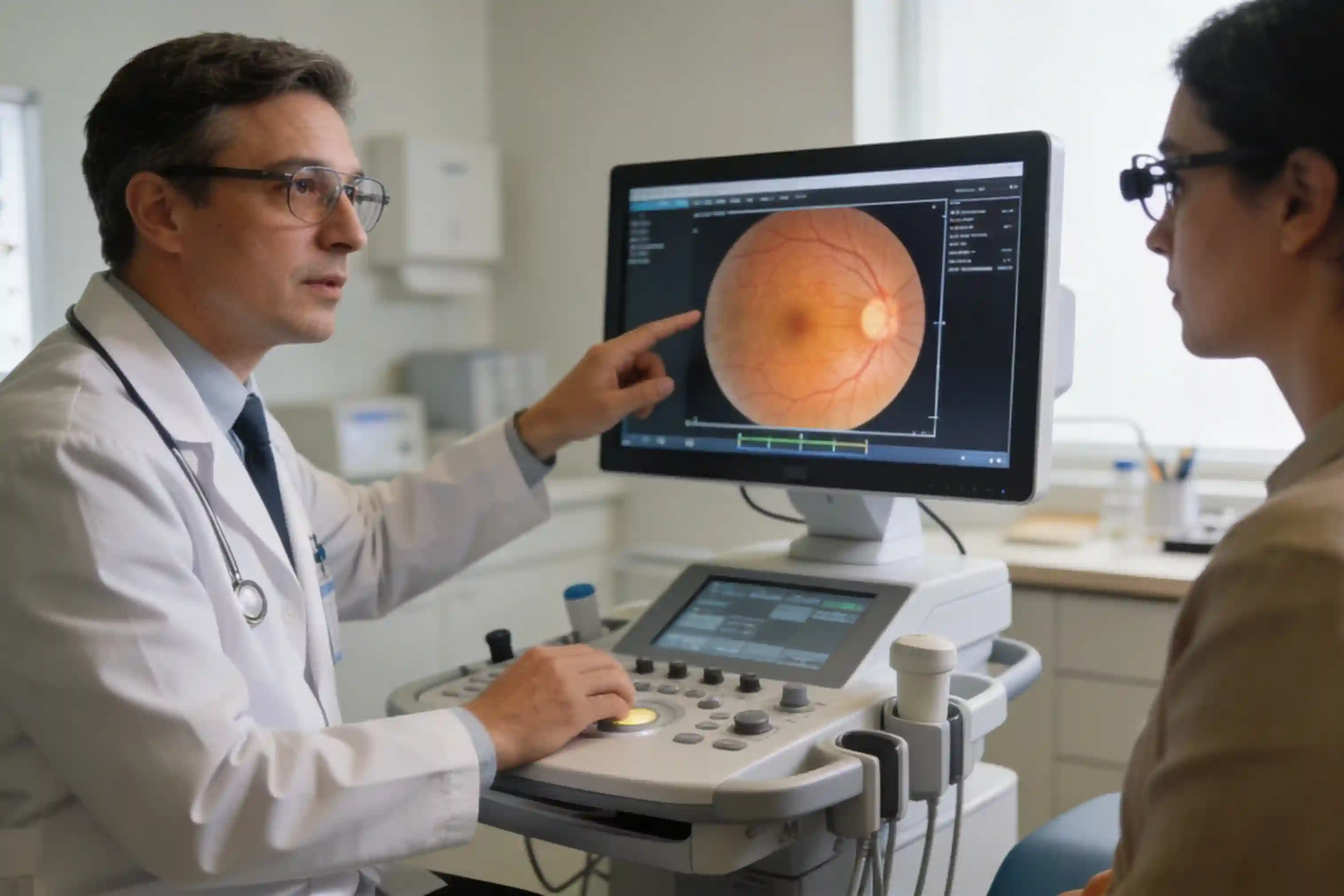
Retinal vascular conditions are diseases that affect the blood vessels supplying or draining the retina. They can interfere with circulation and affect the retinal tissue responsible for vision.
Common examples include:
- Retinal vein occlusion:
A blockage in a retinal vein that prevents blood from draining normally. - Retinal artery occlusion:
A blockage in an artery that reduces or stops blood flow to part of the retina. - Diabetic retinopathy:
Damage to retinal blood vessels caused by prolonged high blood sugar. - Retinal hemorrhage:
Bleeding from damaged or abnormal retinal blood vessels.
These conditions are related, but they are not the same disease. Their causes, symptoms, and treatment approaches can differ.
What Causes Retinal Blood Vessel Problems?
There is no single cause of retinal vascular disease. The risk often increases when conditions affecting the body's blood vessels also affect the delicate circulation inside the eye.
Common risk factors include:
- High blood pressure
- Diabetes
- High cholesterol
- Cardiovascular disease
- Smoking
- Increasing age
- Glaucoma
- Certain blood or clotting disorders
For example, high blood pressure can place additional stress on retinal vessels, while diabetes can gradually weaken and damage their walls.
In retinal vein occlusion, changes in blood flow can result in a blockage that prevents blood from draining normally. In retinal artery occlusion, an obstruction can reduce the oxygen supply reaching retinal tissue.

What Are the Symptoms of Retinal Vascular Problems?
The symptoms of retinal vascular problems depend on the condition and how much of the retina is affected.
Possible symptoms include:
- Blurred or dim vision
- Sudden loss of vision in one eye
- Distorted central vision
- Dark spots or areas missing from your vision
- Floaters
- Reduced peripheral vision
- Difficulty seeing fine details
Blurred vision retinal vascular disease can occur when fluid or blood affects the macula. Other vascular conditions can cause much more sudden changes.
A particularly important warning sign is sudden vision loss retinal vascular disease. Sudden, painless loss of vision may occur with retinal artery occlusion and requires urgent medical evaluation.
How Do Retinal Vascular Conditions Affect Vision?
Different vascular problems affect the retina in different ways.
Retinal Vein Occlusion
When a retinal vein becomes blocked, blood cannot drain properly. Pressure can build within the retinal vessels, causing leakage and swelling.
One of the most common complications is macular edema, where fluid accumulates in the central retina and affects detailed vision.
Retinal Artery Occlusion
A blocked retinal artery reduces the blood supply reaching the retina. Because retinal tissue is highly sensitive to a lack of oxygen, this can cause sudden and significant vision loss.
Retinal artery occlusion should be treated as an urgent medical problem because it may also be associated with underlying cardiovascular or stroke risk.
Diabetic Retinopathy
Diabetic retinopathy develops when prolonged high blood sugar damages retinal blood vessels. The vessels may leak, become blocked, or contribute to abnormal blood vessel growth.
The condition can progress without obvious symptoms, making regular retinal examinations particularly important for people with diabetes.
What Causes Retinal Swelling and Bleeding?
Retinal swelling symptoms can develop when damaged blood vessels leak fluid into the retinal tissue.
The macula is particularly important because swelling in this area can cause:
- Blurry central vision
- Distorted vision
- Difficulty reading
- Reduced visual sharpness
Retinal bleeding can occur when fragile or damaged blood vessels leak blood into or around the retina. The amount and location of bleeding influence how it affects vision.
Both swelling and bleeding can occur with different vascular conditions, so identifying the underlying cause is essential before deciding on treatment.
How Are Retinal Vascular Conditions Diagnosed?
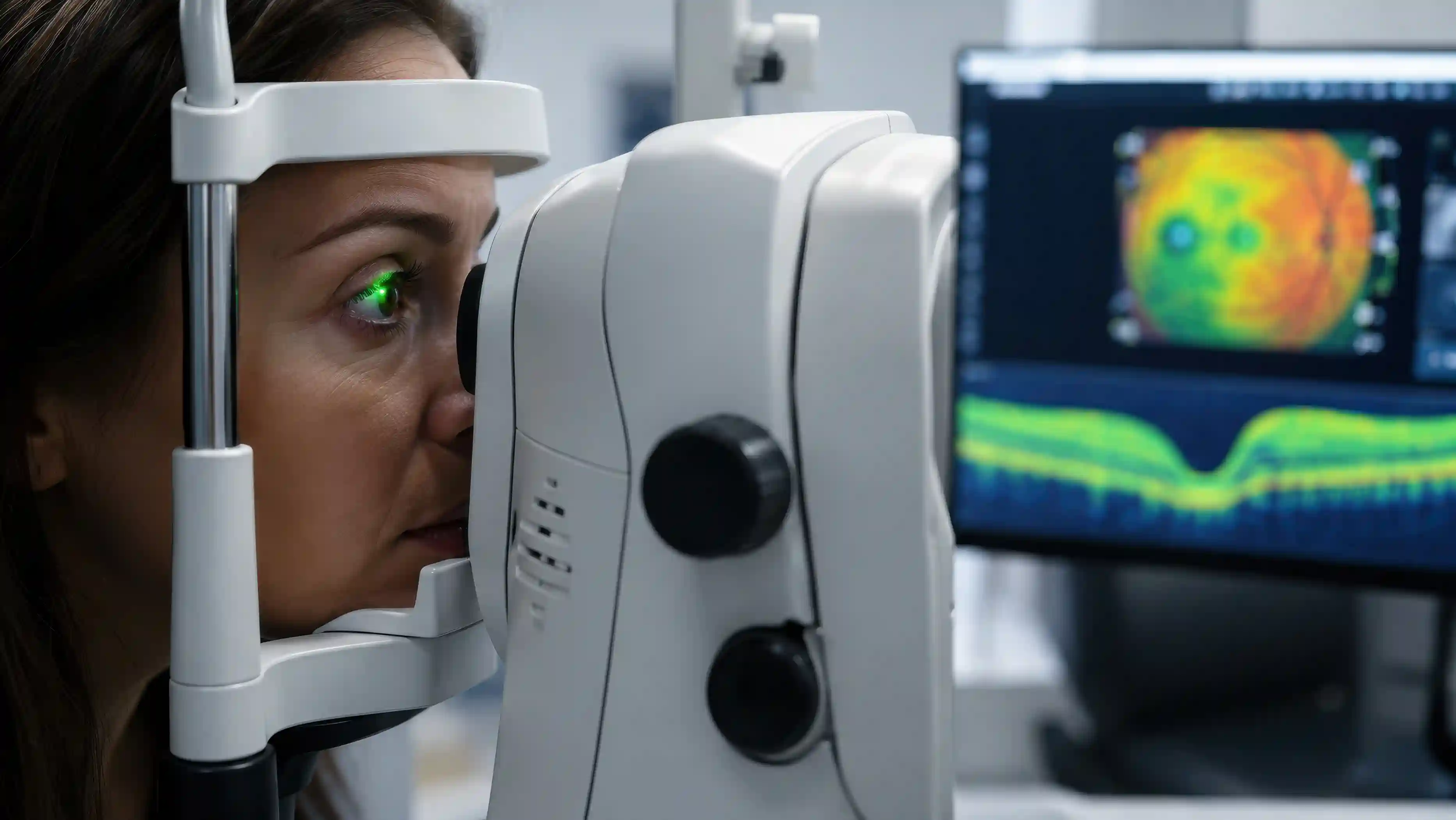
A retina specialist will evaluate the retina and its blood vessels to determine the type and extent of the problem.
Dilated Eye Examination
Dilating the pupils allows the retina to be examined for bleeding, swelling, blocked vessels, and abnormal blood vessel growth.
Retinal Imaging
Retinal imaging provides more detailed information about the retinal tissue and blood flow.
Common tests include:
Optical Coherence Tomography (OCT)
OCT creates cross-sectional images of the retina and can show swelling or fluid affecting the macula.
Fluorescein Angiography
A dye is injected into a vein in the arm and photographed as it passes through the retinal blood vessels. This can reveal leakage, blockages, and abnormal circulation.
Additional imaging may be used depending on the suspected condition.
How Are Retinal Vascular Conditions Treated?
The appropriate retinal blood vessel disease treatment depends on the specific diagnosis and complications affecting the retina.
Retinal Injections
Retinal injections, particularly anti-VEGF medications, may be used when vascular disease causes macular swelling or abnormal blood vessel growth.
Anti-VEGF treatment can reduce leakage and retinal swelling. Some patients require multiple injections and ongoing monitoring based on their response.
Laser Therapy
Laser treatment may be used in selected vascular conditions. Depending on the disease, it can help treat abnormal blood vessel growth, reduce the risk of bleeding, or address certain forms of retinal swelling.
Laser is not appropriate for every patient, and its role depends on the specific vascular problem.
Managing Underlying Health Conditions
Treating the factors contributing to vascular disease is also important.
Blood pressure, blood sugar, cholesterol, and other relevant health conditions may need to be managed alongside retinal treatment. This can help reduce additional stress on the retinal blood vessels.
Monitoring
Not every vascular condition requires immediate intervention. Some patients may be monitored with regular examinations and retinal imaging, particularly when there is no active complication requiring treatment.
The follow-up schedule depends on the type of vascular disease and the findings in the eye.
Can Retinal Vascular Disease Cause Permanent Vision Loss?
It can, particularly when retinal tissue experiences significant or prolonged damage.
The effect on vision depends on factors such as the location of the affected blood vessel, the amount of retinal tissue involved, whether the macula is affected, and whether complications develop.
Some patients experience stabilization or improvement with appropriate treatment, while others may have lasting visual changes. Early assessment is important because treatment can address complications before additional retinal damage occurs.
When Should You See a Retina Specialist?
Do not ignore a sudden change in vision.
Seek prompt medical attention if you experience:
- Sudden vision loss in one eye
- New or rapidly worsening blurry vision
- A dark or missing area in your vision
- New distortion
- A sudden increase in floaters
- New visual changes associated with retinal bleeding
Sudden vision loss can have several causes, including retinal artery occlusion, and requires urgent evaluation rather than waiting for the symptoms to resolve.
Why Choose Dr. Paul Hahn?
Dr. Paul Hahn, MD, PhD, FASRS, is a board-certified retina specialist with extensive experience managing complex retinal diseases. He is fellowship-trained in vitreoretinal surgery.
Dr. Hahn has also led more than 30 clinical trials involving retinal disease treatment.
At phRETINA in Nanuet, NY, he combines advanced retinal imaging with evidence-based treatment and individualized care for patients with retinal vascular disease.
Conclusion
Retinal vascular conditions can affect vision in different ways, from gradual blurring and retinal swelling to sudden vision loss. Conditions such as retinal vein occlusion, retinal artery occlusion, diabetic retinopathy, and retinal hemorrhage require different approaches based on their underlying cause and retinal findings.
Because some vascular problems can progress without obvious warning, regular retinal examinations are important, particularly when you have diabetes, high blood pressure, or other vascular risk factors.
If you experience sudden or unexplained vision changes, prompt retinal evaluation can help identify the cause and determine whether treatment is needed.
Frequently Asked Questions
-
What are retinal vascular conditions?
Retinal vascular conditions are diseases that affect the blood vessels of the retina. Examples include retinal vein occlusion, retinal artery occlusion, and diabetic retinopathy. -
What causes retinal vein occlusion?
The causes of retinal vein occlusion are not always identifiable. Risk increases with factors such as high blood pressure, diabetes, glaucoma, high cholesterol, cardiovascular disease, and age. -
What are the symptoms of retinal vascular disease?
Symptoms can include blurred vision, dim vision, distorted vision, floaters, dark areas, peripheral vision loss, or sudden loss of vision. The symptoms depend on which blood vessels are affected and the severity of the condition. -
Can retinal vascular disease cause retinal swelling?
Yes. Blocked or damaged retinal blood vessels can leak fluid into the retina, causing swelling. When the macula is affected, this can interfere with central vision. -
How is retinal vascular disease treated?
Treatment depends on the underlying condition. Options may include retinal injections, laser therapy, management of systemic risk factors, and regular retinal monitoring.