
What Is Macular Degeneration?
- Home
- General

Macular degeneration, or age-related macular degeneration (AMD)
Macular degeneration, or age-related macular degeneration (AMD), is a progressive retinal condition that affects central vision. The macula, located in the center of the retina, is responsible for detailed tasks such as reading and recognizing faces. The treatment of ARMD focuses on preserving this central vision and slowing disease progression.

Understanding the Difference Between Wet and Dry AMD
The first step in determining the treatment of ARMD is identifying whether the condition is dry or wet.
- Dry AMD:Dry AMD is the more common form and progresses gradually. It is characterized by drusen deposits early on that can lead to thinning, or geographic atrophy (GA), of the macula.
- Wet AMD:Wet AMD (also known as wet macular degeneration) is less common (~15%) but more aggressive. It involves abnormal blood vessel growth beneath the retina, leading to leakage and rapid vision loss.
Understanding the difference between wet and dry AMD is essential because management strategies differ significantly between these two forms.
Wet AMD Symptoms and Early Warning Signs
Recognizing wet AMD symptoms early allows for faster initiation of the treatment of AMD.
- Distorted or wavy vision
- Blurred central vision
- Dark or missing areas in central vision
- Sudden changes in visual clarity
These symptoms often develop quickly in wet AMD, making prompt evaluation essential. Delayed care can lead to permanent vision loss.


How Macular Degeneration Is Diagnosed
Accurate diagnosis is the foundation of effective treatment of ARMD.
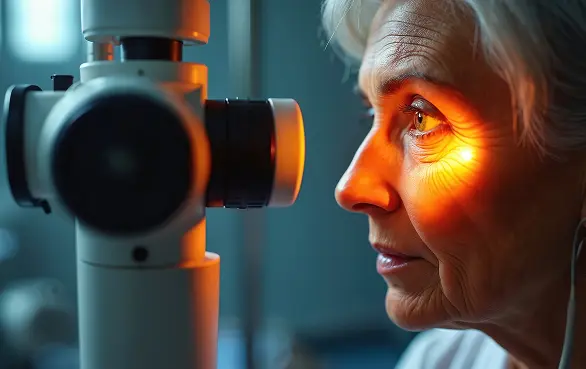
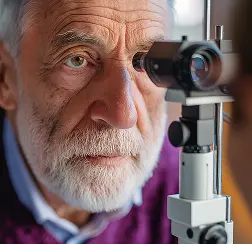
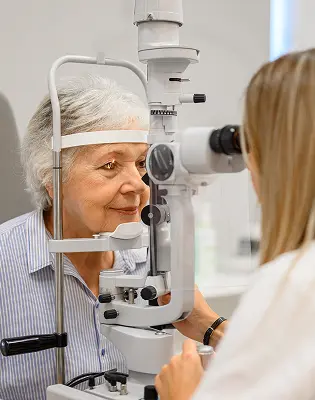
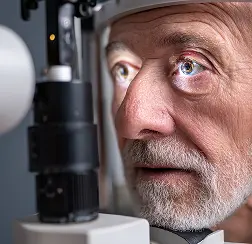
AMD Eye Test
A comprehensive AMD eye test includes:
- Visual acuity testing
- Dilated retinal examination
These tests help detect early structural and functional changes in the retina.
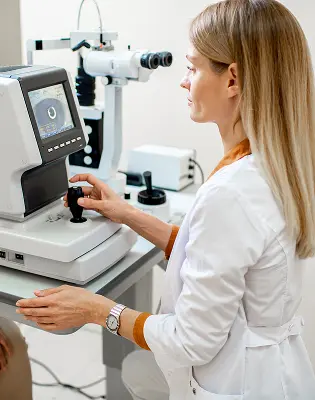
OCT AMD Imaging
OCT (Optical Coherence Tomography) is a non-invasive imaging technique that provides high-resolution cross-sectional views of the retina. OCT Helps:
- Detect fluid or swelling
- Identify abnormal blood vessels
- Monitor disease progression
This imaging plays a central role in guiding clinical decisions and refining the treatment of AMD
Early evaluation plays a critical role in the treatment of ARMD. If you notice changes in your vision, timely assessment can help guide next steps.
Treatment of Dry AMD
The treatment of AMD in dry AMD focuses on slowing progression and preserving existing vision.
Management Approach:
- Regular monitoring with OCT ARMD
- Nutritional supplementation based on AREDS2 clinical studies
- Lifestyle modifications such as smoking cessation and cardiovascular risk management
- Photobiomodulation to enhance retinal cell survival
- Intravitreal injections of complement inhibitors to slow growth of geographic atrophy
Although there is no direct cure for dry AMD, consistent monitoring ensures that any progression toward wet AMD is detected early, allowing for timely adjustment in care. We are fortunate to now have treatments for various stages of dry AMD that help stabilize the disease.
Treatment of Wet AMD
The treatment of AMD becomes more intervention-focused in patients with wet macular degeneration.
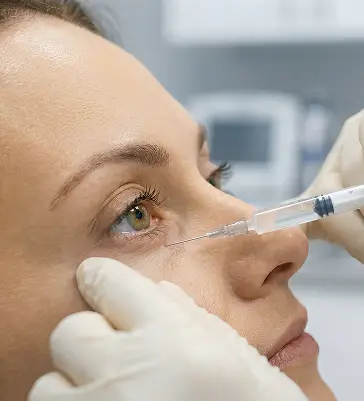
Macular Degeneration and Injections
The primary treatment involves intravitreal injections of medications that inhibit vascular endothelial growth factor (VEGF). These treatments:
- Reduce fluid leakage from abnormal blood vessels
- Stabilize or improve vision
- Prevent further retinal damage
The use of macular degeneration and injections has significantly improved outcomes in wet AMD, particularly when treatment begins early.



What to Expect During Injection Treatment
Patients often have concerns about macular degeneration and injections, particularly safety and frequency.
Treatment Experience
- Performed in the officea setting
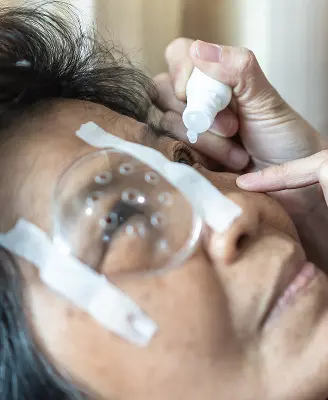
- Local anesthesia (typically just eyedrops) is used to minimize discomfort
- The procedure is brief and typically very well tolerated
Treatment Frequency
- Initially administered at regular intervals
- Adjusted based on response using OCT ARMD
This personalized approach ensures that the treatment of AMD is tailored to each patient’s condition and response.
Long-Term Monitoring and Disease Management
The treatment of AMD requires ongoing monitoring, even after initial therapy.
Ongoing Care Includes
- Regular follow-up visits
- Repeat imaging
- Continuous evaluation of visual function
Patients with wet AMD usually require long-term injections.Patients with dry AMD require long-term surveillance to detect progression and may also require long-term treatment including injections. Consistent follow-up is essential for optimizing long-term outcomes.


Why Early Detection Improves Outcomes
Early detection directly influences the success of the treatment of AMD.
Benefits of Early Diagnosis
- More effective intervention in wet AMD
- Slower progression in dry AMD
- Better preservation of central vision
Routine eye exams and awareness of wet AMD symptoms play a key role in achieving these outcomes.
A Precision-Based Approach to Retinal Care
Effective management depends on accurate diagnosis, advanced imaging, and individualized care planning.
This includes:
- Differentiating between dry and wet AMD
- Using advanced imaging for real-time monitoring
- Adjusting treatment based on disease activity



When Should You Seek Evaluation?
You should consider evaluation if you experience:
- Changes in central vision
- Distortion or blurred vision
- Difficulty reading or recognizing faces
Early consultation allows for timely initiation of the treatment of AMD, improving the likelihood of preserving vision.
Schedule a Retinal Evaluation
If you are experiencing symptoms of macular degeneration or have been diagnosed with AMD, a comprehensive evaluation can help determine the most appropriate treatment plan.