
Age-related macular degeneration rarely announces itself loudly. It starts quietly, with small, almost forgettable changes in vision. That is exactly why it becomes dangerous. By the time many people realize something is wrong, the condition has already progressed. Recognizing macular degeneration symptoms signs early is what separates manageable vision changes from permanent damage.
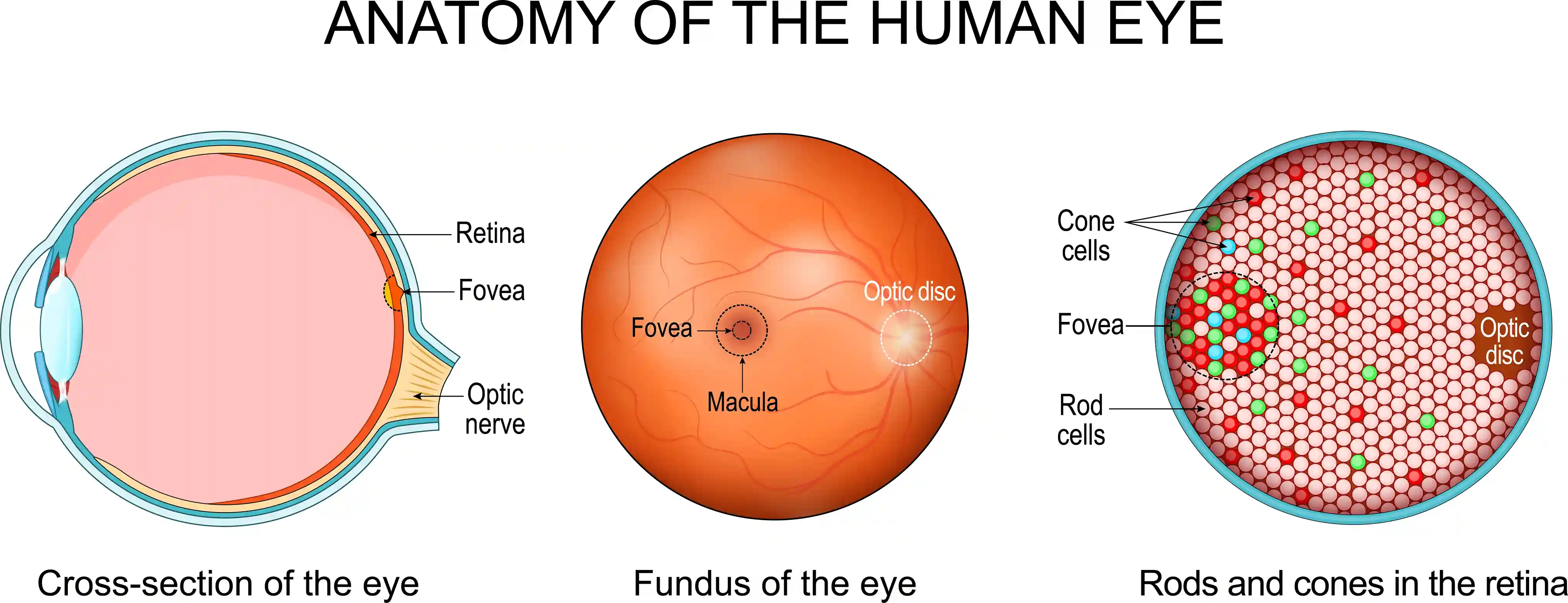
The macula is responsible for central vision. It allows you to read, recognize faces, and focus on fine details. When it begins to deteriorate, vision does not disappear overnight. It becomes unreliable, distorted, and gradually less sharp. Early AMD may seem harmless, but ignoring it allows the condition to move forward unchecked.

What Is Early AMD and Why It Often Goes Unnoticed
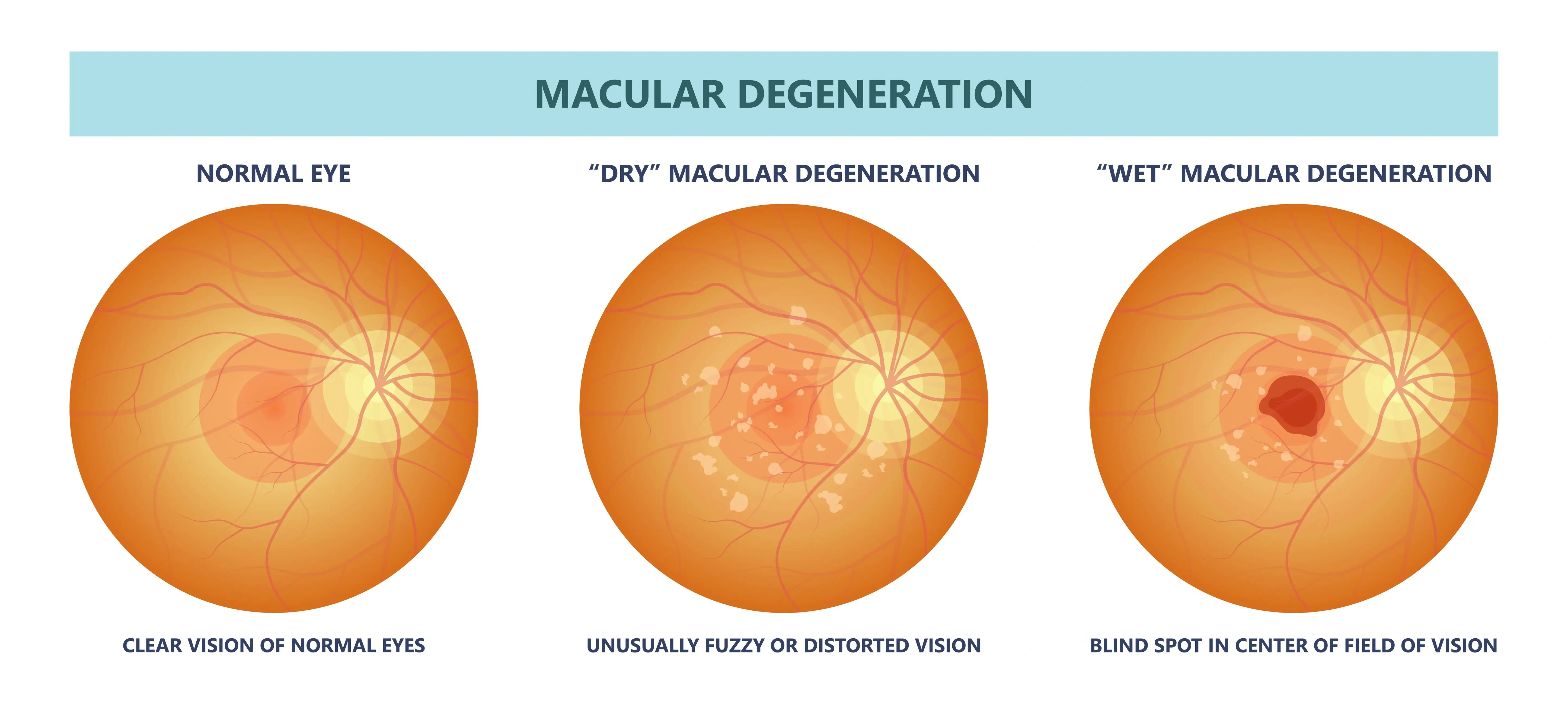
Early AMD is the initial stage of macular degeneration where structural changes begin in the retina. Small yellow deposits called drusen form under the macula. These deposits interfere with how nutrients and oxygen reach retinal cells.
At this stage, many people do not notice obvious symptoms. Vision may feel mostly normal, especially in well-lit environments. That is why macular degeneration symptoms signs are often missed in the beginning.
The brain also plays a role in masking the problem. If one eye is slightly weaker, the other eye compensates. This means distorted vision in one eye can go unnoticed for months. Unless each eye is tested separately, early warning signs are easy to ignore.
Subtle Vision Changes That Signal Early AMD
The earliest macular degeneration symptoms signs are usually mild and easy to dismiss. Many people assume they just need new glasses. That assumption delays proper diagnosis.
Some of the first noticeable changes include:
- Slight blurry central vision that comes and goes
- Difficulty reading small text, even with correction
- Words appearing less sharp or slightly faded
- Increased reliance on brighter light for reading
These changes reflect early damage to the macula. They may not disrupt daily life immediately, but they indicate that the retina is no longer functioning at full capacity.
Difficulty seeing in low light is another common complaint. Tasks like reading menus in dim restaurants or adjusting to nighttime conditions become more challenging. This is not just aging. It is often an early sign of retinal stress.
When Straight Lines Appear Wavy
One of the most important macular degeneration symptoms signs is when straight lines appear wavy. This is known as distorted vision and is a strong indicator of macular involvement.
You might notice:
- Door frames or window edges looking bent
- Text lines appearing uneven
- Floor tiles or patterns seeming warped
Sudden wavy vision should never be ignored. It often signals progression beyond early AMD, particularly toward wet AMD, which is more aggressive.
Distorted vision in one eye is especially important to catch. Because the other eye compensates, many people do not notice the problem until it worsens. A simple habit of checking one eye at a time can reveal early changes.
Central Vision Changes and Daily Impact
As macular degeneration progresses, central vision becomes less reliable. This affects tasks that require precision.
Common experiences include:
- Difficulty recognizing faces clearly
- Trouble reading even large text
- A need to hold objects closer or farther away to focus
- Increased visual fatigue during detailed tasks
Unlike other vision problems, peripheral vision often remains intact. This creates a false sense of security. You can still walk around without bumping into things, but reading and focusing become frustrating.
This pattern is a hallmark of macular degeneration symptoms signs.
Why Early Symptoms Are Often Ignored
There is a simple reason people ignore early AMD. The changes are gradual and inconsistent. One day vision feels normal, the next day slightly off.
Many assume it is due to tiredness, lighting, or screen strain. Others delay care because there is no pain. The retina does not send pain signals. It communicates through visual distortion.
That makes awareness critical. Macular degeneration symptoms signs are subtle by design. Waiting for obvious vision loss means waiting too long.
When Symptoms Become Urgent
Certain changes should trigger immediate evaluation.
These include:
- Sudden wavy vision
- Rapid increase in distorted vision
- A dark or blank spot in central vision
- Noticeable distorted vision in one eye
These signs may indicate the transition to wet AMD. In this stage, abnormal blood vessels grow under the retina and can leak fluid or blood. Vision loss can progress quickly without treatment.
Timely intervention can stabilize the condition and prevent further damage.
How Early Detection Changes Outcomes
Catching early AMD does not cure the condition, but it allows for better control. Lifestyle adjustments, nutritional support, and regular monitoring can slow progression.
Antioxidants, lutein, and zeaxanthin play a role in supporting macular health. Managing risk factors such as smoking, high blood pressure, and poor diet also helps protect vision.
For advanced cases, treatments like anti-VEGF injections can control abnormal blood vessel growth and reduce further vision loss.
The key is timing. The earlier macular degeneration symptoms signs are identified; the more options are available.
The Bigger Picture
Macular degeneration is one of the leading causes of vision loss in older adults, but it rarely appears without warning. The signs are present, just easy to overlook.
Blurry vision, difficulty seeing, distorted vision, and straight lines that appear wavy are not minor inconveniences. They are early signals from the retina.
Ignoring early AMD is easy because it does not disrupt life immediately. But once central vision is significantly affected, recovery becomes limited.
Pay attention to subtle changes. Check each eye separately. Do not assume it is just aging. Macular degeneration symptoms signs are your early warning system.
Acting early is what keeps small distortions from turning into permanent vision loss.
FAQs
- What are the early macular degeneration symptoms signs to watch for?
Early macular degeneration symptoms signs include blurry central vision, difficulty reading, straight lines appearing wavy, and mild distorted vision in one eye. - Can macular degeneration symptoms signs appear suddenly?
Most macular degeneration symptoms signs develop gradually, but sudden wavy vision or rapid distortion may indicate a more advanced stage and needs immediate attention. - Are macular degeneration symptoms signs the same in both eyes?
Macular degeneration symptoms signs may start in one eye while the other compensates, which is why many people do not notice early changes right away. - How can I test macular degeneration symptoms signs at home?
You can check macular degeneration symptoms signs by covering one eye at a time and looking at straight lines. If lines appear wavy or distorted, it may indicate a problem. - When should I see a doctor for macular degeneration symptoms signs?
If you notice persistent blurry vision, distorted vision, or straight lines appear wavy, you should see an eye specialist immediately to evaluate macular degeneration symptoms signs.