Vision Loss Prevention Guide
- Home
- General
Vision Loss Prevention Guide
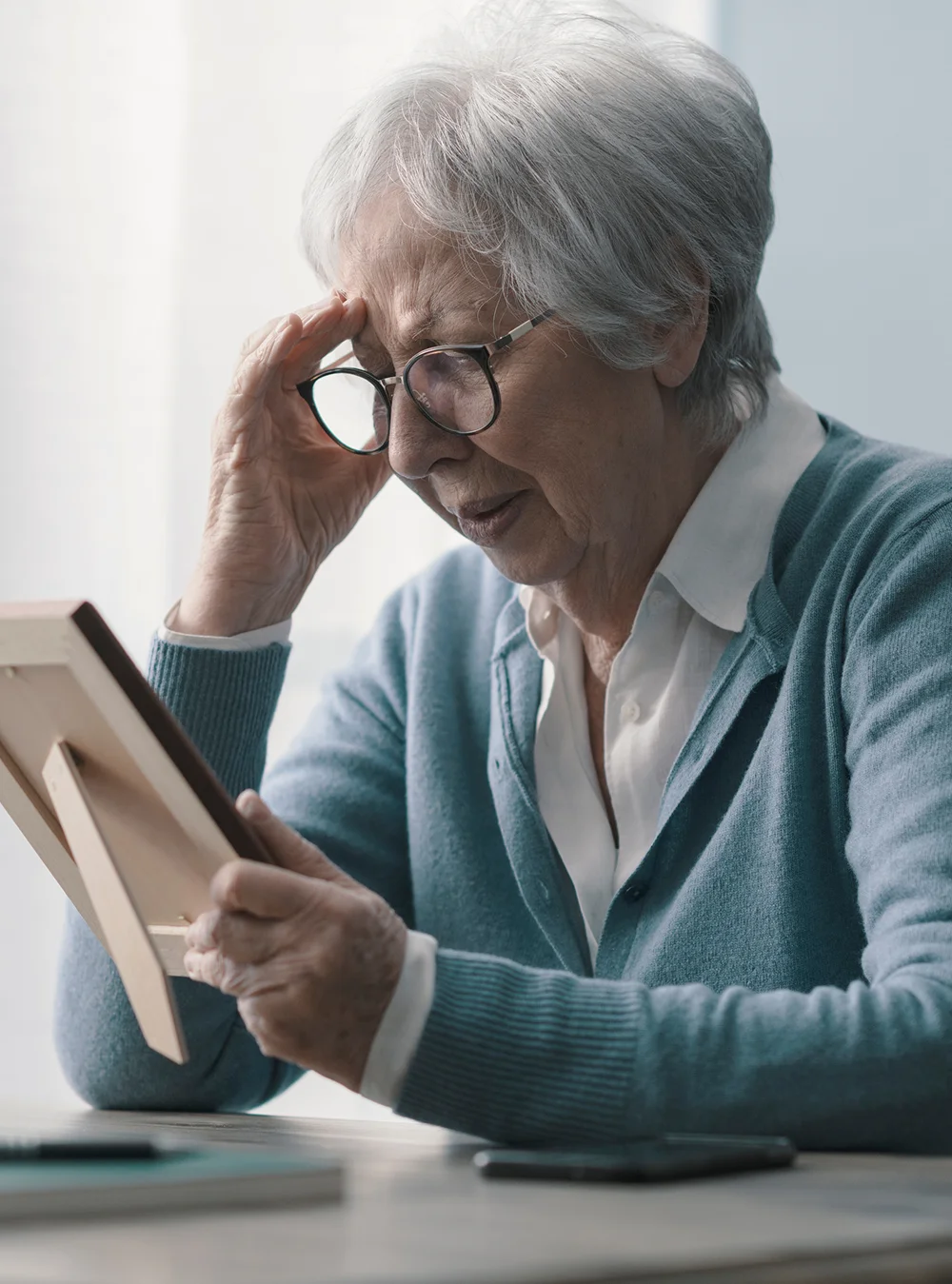
Vision loss prevention begins with understanding the factors that can affect eye health and recognizing when professional evaluation is needed. While some causes of vision loss are unavoidable, many retinal and eye conditions can be detected early and managed before significant damage occurs.
Millions of people experience eye vision loss due to aging, diabetes, retinal disease, vascular conditions, and other medical problems. Early diagnosis, routine eye examinations, and prompt treatment remain some of the most effective ways to preserve sight.

Why Vision Loss Prevention Matters
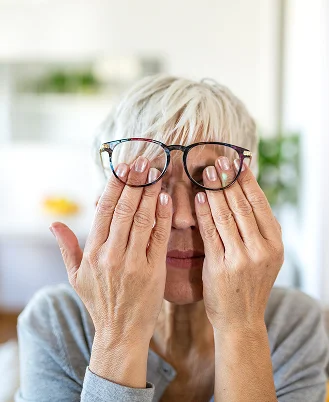
Vision plays a critical role in daily life, independence, and overall well-being. Many eye diseases develop gradually and may not cause symptoms until vision has already been affected. In some cases, vision loss can occur suddenly due to retinal emergencies or vascular conditions. Vision loss prevention focuses on identifying risks early and taking steps to reduce the likelihood of permanent visual impairment.
Benefits of Early Prevention
- Preserving visual function
- Detecting retinal disease earlier
- Reducing the risk of severe vision loss
- Supporting long-term eye health
- Improving treatment outcomes
Regular retinal evaluations can often identify problems before noticeable symptoms develop.
What Causes Vision Loss?
Patients frequently ask what causes vision loss and whether it can be prevented. Many conditions can affect the retina, optic nerve, or other structures responsible for vision. Common Causes of Vision Loss
Age-Related Macular Degeneration
Macular degeneration affects central vision and is one of the leading causes of vision impairment in older adults.
Diabetic Retinopathy
Diabetes can damage retinal blood vessels and increase the risk of diabetic vision loss.
Retinal Detachment
A retinal detachment occurs when the retina separates from the back of the eye and requires urgent treatment.
Retinal Vein Occlusion
Blocked retinal veins can cause retinal swelling and sudden visual changes.
Glaucoma
Glaucoma damages the optic nerve and may lead to progressive vision loss if untreated.
Cataracts
Cataracts cause clouding of the eye's natural lens and can reduce visual clarity over time.
Understanding what causes vision loss helps patients recognize risk factors and seek care when needed.
Common Risk Factors for Eyesight Loss
Certain factors increase the likelihood of developing eye disease and visual impairment.
Risk Factors Include
- Diabetes
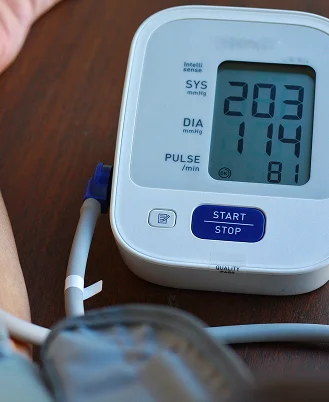
- High blood pressure
- High cholesterol
- Smoking
- Family history of eye disease
- Advanced age
- Eye injuries
- Previous retinal disorders
Patients with multiple risk factors may benefit from more frequent eye examinations.


Signs You Are Going Blind
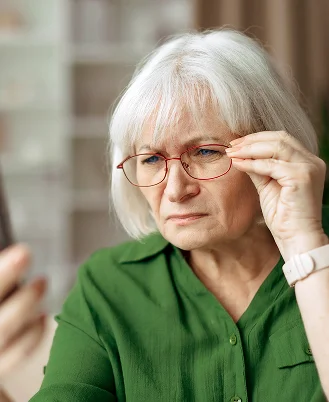
Many patients search for signs you are going blind when they begin experiencing visual changes. Although symptoms vary depending on the underlying condition, certain warning signs should never be ignored.
Possible Warning Signs
- Blurred vision
- Distorted vision
- Loss of peripheral vision
- Difficulty reading
- Dark spots in vision
- Flashes of light
- New floaters
- Sudden vision loss
- Difficulty recognizing faces
These symptoms do not necessarily mean blindness is occurring, but they should prompt a comprehensive eye examination.
How to Prevent Vision Loss
Many causes of visual impairment can be managed more effectively when detected early.
Schedule Regular Eye Examinations
Routine eye examinations allow specialists to identify retinal diseases before symptoms become severe.
Control Diabetes
Good blood sugar control helps reduce the risk of diabetic retinopathy and diabetic vision loss.
Manage Blood Pressure and Cholesterol
Healthy cardiovascular health supports retinal circulation and may reduce the risk of vascular eye disease.
Avoid Smoking
Smoking is associated with increased risk of macular degeneration and other retinal disorders.
Protect Your Eyes
Eye protection can help prevent trauma-related retinal injuries.
Seek Prompt Care for Visual Changes
New symptoms should be evaluated as soon as possible.
Understanding how to prevent vision loss can help preserve sight and reduce the risk of serious complications.
How to Prevent Blindness
Patients often ask how to prevent blindness, particularly when they have risk factors for retinal disease.
Important Prevention Strategies
- Annual comprehensive eye examinations
- Management of chronic medical conditions
- Early treatment of retinal disease
- Prompt evaluation of sudden vision changes
- Adherence to prescribed treatment plans
- Ongoing retinal monitoring
While not all forms of blindness can be prevented, many causes can be treated more successfully when identified early.

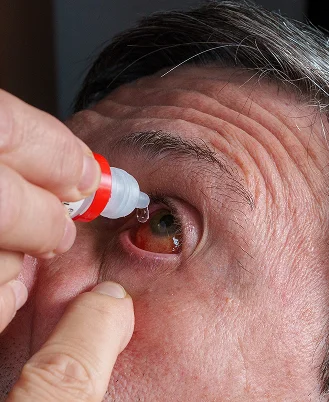
Prevent Blindness Through Retinal Disease Detection
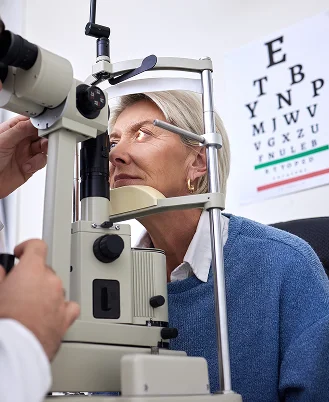
Many retinal diseases progress silently before symptoms become noticeable.
Conditions such as:
- Diabetic retinopathy
- Retinal tears
- Retinal detachment
- Macular degeneration
- Retinal vein occlusion
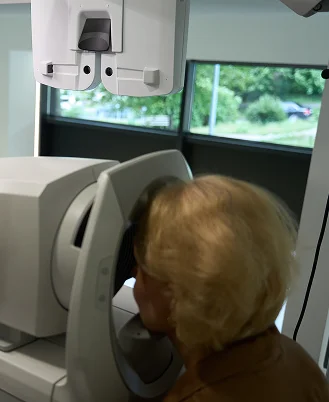
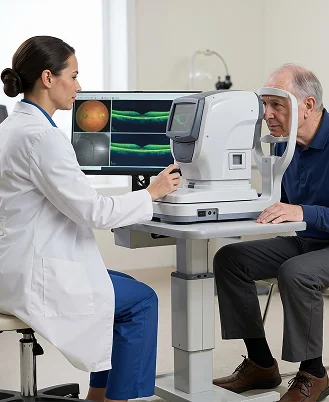
May benefit from early diagnosis and treatment. At phRETINA, advanced retinal imaging helps identify subtle retinal changes before significant vision loss occurs.
Treatment of Vision Loss
Treatment of vision loss depends on the underlying cause and the extent of retinal damage. Possible Treatment Options
Medical Therapy
Certain retinal diseases may be treated with medications or injections.
Laser Treatment
Laser procedures can help manage selected retinal conditions.
Surgical Treatment
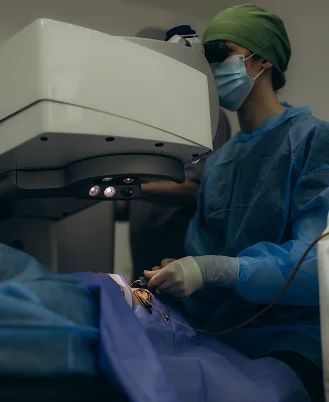
Vitrectomy surgery, retinal detachment repair, and other procedures may be necessary for advanced disease.
Long-Term Monitoring
Regular follow-up care helps protect vision and detect changes early.
The earlier treatment begins, the greater the opportunity to preserve visual function.
How phRETINA Supports Vision Preservation
At phRETINA, vision loss prevention is centered on early detection, advanced
diagnostics, and personalized care.
Patients benefit from:
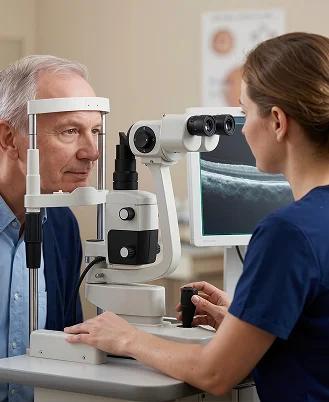
Comprehensive Retinal Evaluations
Detailed examinations focused on retinal health.
Advanced Diagnostic Imaging
Advanced imaging technology for accurate diagnosis and monitoring. .
Individualized Treatment Plans
Recommendations tailored to each patient's condition and risk factors.
Long-Term Retinal Care
Ongoing monitoring designed to protect vision and preserve retinal health.
Dr. Paul Hahn provides expert retinal care in Nanuet, NY, helping patients identify risk factors for vision loss and detect retinal disease before significant damage occurs.


When to Schedule a Retinal Evaluation
You should consider an eye examination if you experience:
- Blurred vision
- Distorted vision
- New floaters
- Flashes of light
- Difficulty reading
- Sudden vision changes
- Symptoms of eyesight loss
Patients with diabetes, hypertension, or a family history of retinal disease should undergo routine retinal evaluations even when symptoms are not present.
Helpful Information for New and Returning Patients
Schedule a Retinal Evaluation
A comprehensive retinal evaluation can help identify potential problems and guide the next steps in care.