
Sudden Vision Loss In One Eye: When To See A Specialist
- Home
- General

Sudden Vision Loss In One Eye
Sudden vision loss in one eye is a medical emergency that requires prompt evaluation by an eye specialist. Vision may become blurry, dim, partially blocked, or disappear completely over a short period of time. In some cases, symptoms develop within seconds, while others progress over several hours.
Because several serious retinal and vascular conditions can cause sudden vision loss in one eye, early diagnosis and treatment are critical for preserving vision and identifying potentially sight-threatening problems.
At phRETINA, our retina specialists provide urgent evaluation using advanced retinal imaging and diagnostic testing to determine the cause of vision loss and guide timely treatment.




What Is Sudden Vision Loss?
Sudden vision loss in one eye or both eyes refers to a rapid decrease in vision that occurs over minutes, hours, or days.
The vision change may affect:
- Central vision
- Peripheral vision
- Part of the visual field
- The entire eye
Patients may experience sudden loss of sight in one eye, ranging from mild blurring to complete blindness. Regardless of severity, any sudden change in vision should be evaluated promptly.
Common Symptoms
Symptoms vary depending on the underlying cause. Possible Symptoms Include :
- Blurred vision
- Dark spots in vision
- Missing areas of vision
- Distorted vision
- Sudden blindness
- Flashing lights
- New floaters
- A curtain-like shadow across vision
Some individuals describe the sensation as losing sight in one eye suddenly without warning.
Causes of Sudden Vision Loss
There are many possible causes of sudden vision loss, some of which require immediate treatment.
Retinal Detachment
A retinal detachment occurs when the retina separates from the back of the eye.
Common symptoms include:
- Flashes of light
- Floaters
- Peripheral vision loss
- A curtain or shadow over vision
Retinal detachment is a medical emergency that often requires urgent treatment.
Retinal Artery Occlusion
A blockage of blood flow to the retina can cause sudden, painless vision loss.
This condition is sometimes referred to as an eye stroke and requires immediate evaluation.
Retinal Vein Occlusion
A blocked retinal vein may lead to retinal swelling, bleeding, and sudden vision changes.
Vitreous Hemorrhage
Bleeding into the vitreous cavity may cause sudden visual obstruction, floaters, or severe blurring.
Macular Disorders
Certain macular conditions can result in rapid central vision loss and distortion.
Optic Nerve Disorders
Problems affecting the optic nerve can also contribute to sudden vision loss and require urgent evaluation.
Painless Sudden Loss of Vision
Many patients are surprised to learn that serious eye conditions may cause painless sudden loss of vision. The absence of pain does not mean the condition is less serious.
Conditions commonly associated with painless sudden loss of vision include:
- Retinal detachment
- Retinal artery occlusion
- Retinal vein occlusion
- Vitreous hemorrhage
- Certain macular diseases
Because these conditions can threaten permanent vision loss, immediate assessment is essential.



Temporary Vision Loss and Transient Symptoms
Not all vision loss is permanent. Some patients experience transient vision loss, meaning vision returns after a short period.
Transient Vision Loss
Transient vision loss may last seconds, minutes, or longer before resolving.
Potential causes include:
- Reduced blood flow to the eye
- Vascular conditions
- Neurologic disorders
- Ocular migraine
Even when vision returns, transient vision loss should never be ignored.
Temporary Blindness in One Eye
Temporary blindness in one eye can be a warning sign of an underlying medical condition requiring urgent evaluation. A thorough examination can help identify the cause and determine whether treatment is needed.
Temporary Loss of Vision in One Eye
Temporary loss of vision in one eye may indicate vascular disease, retinal abnormalities, or neurologic conditions. Prompt medical attention is recommended even if symptoms resolve completely.


When Should You See a Specialist?
Any sudden change in vision warrants immediate attention.
You should seek urgent evaluation if you experience:
- Sudden vision loss in one eye
- Sudden blindness
- New flashes of light
- A sudden increase in floaters
- A shadow or curtain across vision
- Temporary blindness in one eye
- Persistent, blurred vision
Delaying evaluation may increase the risk of permanent vision loss.
How phRETINA Evaluates Sudden Vision Loss
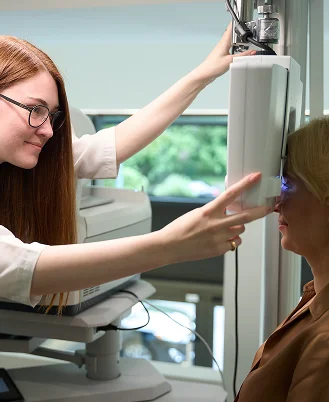
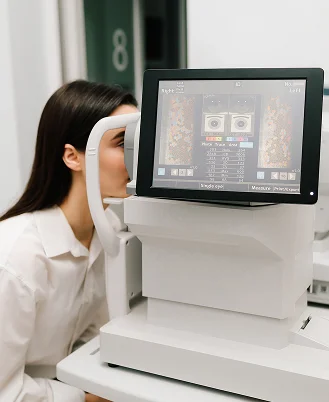
At phRETINA, patients with urgent vision symptoms receive comprehensive retinal evaluation using advanced diagnostic technology.
Diagnostic Testing May Include
- Dilated retinal examination
- Optical Coherence Tomography (OCT)
- Wide-field retinal imaging
- Ocular ultrasound
- Fluorescein angiography when indicated
These tests help identify retinal detachments, vascular blockages, bleeding, and other retinal disorders that may be responsible for sudden vision loss.


Why Early Evaluation Matters
Early diagnosis can significantly improve treatment outcomes.
Benefits of prompt evaluation include:
- Earlier treatment
- Greater opportunity to preserve vision
- Reduced risk of permanent retinal damage
- Identification of serious vascular conditions
- Improved long-term visual outcomes
For many retinal disorders, treatment is most effective when initiated as soon as possible.
Why Choose phRETINA?
Sudden vision changes require specialized retinal expertise.
At phRETINA,
patients benefit from:
Retina-Focused Expertise
Specialized care dedicated exclusively to diseases of the retina and vitreous.
Advanced Retinal Imaging
High-resolution diagnostic technology for rapid evaluation.
Timely Access to Care
Prompt assessment for urgent retinal conditions.
Personalized Treatment Plans
Care tailored to the underlying cause of vision loss.
Sudden vision loss should never be ignored. Early evaluation can
make a significant difference in preserving vision and identifying serious
underlying eye conditions.
If you experience sudden vision changes, Dr. Paul Hahn and the phRETINA team in
Nanuet, NY, are here to provide prompt diagnosis and expert retinal care.

Helpful Information for New and Returning Patients
Schedule a Retinal Evaluation
Protect your vision with timely diagnosis, expert treatment, and personalized retinal care.