
Stages of Diabetic Retinopathy
- Home
- General

Diabetic Retinopathy
Diabetic retinopathy is a progressive condition caused by damage to the retinal blood vessels due to diabetes. Understanding the stages of AMD is essential for early detection, timely treatment, and prevention of vision loss.
The disease develops gradually and may not cause symptoms in its early phases. However, as the diabetic retinopathy stages advance, the risk of vision complications increases, making regular eye examinations critical.

How Diabetic Retinopathy Is Classified
- The stages of diabetic retinopathy are broadly divided into two main categories: nonproliferative diabetic retinopathy (NPDR) and proliferative diabetic retinopathy (PDR).
- This classification is part of standard diabetes retinopathy grading, which helps determine disease severity and guide treatment decisions. Accurate grading ensures that each stage is monitored and managed appropriately.
Mild NPDR (Early Stage)
Mild NPDR is the earliest stage within the diabetic retinopathy stages. At this stage, microsopic areas of balloon-like swelling (microaneurysms) appear in the retinal blood vessels.
Key Features
- Often no noticeable symptoms
- Small retinal changes detected on examination
- Minimal impact on vision
Although vision is usually unaffected, this stage requires monitoring because progression to more advanced diabetic retinopathy stages is possible.



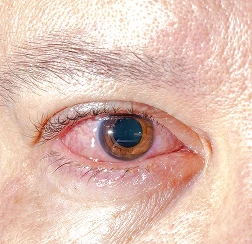
Moderate NPDR
Moderate NPDR represents progression within the diabetic retinopathy stages, where blood vessel damage becomes more widespread.
Key Features
- Blocked or damaged retinal blood vessels
- Reduced blood flow to retinal tissue
- Possible early visual changes
Patients may or may not begin to notice mild vision disturbances, and closer follow-up is needed to prevent further progression.
Severe NPDR
Severe NPDR is an advanced stage of diabetic retinopathy where significant retinal damage may start to present.
Key Features
- Extensive blockage of blood vessels
- Reduced oxygen supply to the retina
- Increased risk of progression to Proliferative Diabetic Retinopathy (PDR)
At this stage, the retina signals the need for new blood vessel growth, which leads to the next stage of the disease.


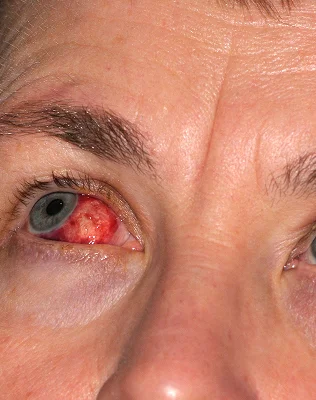
Proliferative Diabetic Retinopathy (PDR)
PDR is the most advanced stage within the retinopathy diabetes stages. It is characterized by the growth of abnormal new blood vessels on the retina.
Key Features
- Abnormal, Fragile blood vessels that can bleed
- Risk of vitreous hemorrhage
- Potential for retinal detachment
- Potential for glaucoma
PDR carries a high risk of significant vision loss and requires immediate attention.
PDR Treatment and Management
Treatment becomes critical in advanced stages of diabetic retinopathy particularly in PDR.
PDR Treatment Options
- Anti-VEGF injections
- Laser therapy
- Surgical intervention in advanced severe cases
These approaches aim to control abnormal blood vessel growth and preserve vision. The specific PDR treatment plan depends on disease severity and individual patient factors.




NPDR or PDR With Macular Edema
One of the most important complications within the diabetic retinopathy stages is diabetic macular edema.
What Is Macular Edema?
It occurs when fluid leaks into the macula from the blood vessels that are damaged in diabetic retinopathy, causing swelling that affects central vision.
Clinical Relevance
- May occur at any NPDR or PDR stage
- Can significantly impact vision
- Requires timely evaluation
Diabetic Retinopathy Eye Treatment: What to Expect
Patients diagnosed with advanced retinopathy diabetes often require structured care. At phRETINA, Dr. Paul Hahn offers advanced monitoring with OCT, OCT angiography, and fluorescein angiography, laser photocoagulation, intraocular anti-VEGF injections, and vitrectomy surgery to manage all stages of diabetic retinopathy and preserve vision.
Treatment Approach
- Regular monitoring and imaging
- Timely intervention to prevent complications
- Long-term follow-up
The goal of Diabetic Retinopathy eye treatment is to stabilize the condition, maximize vision, and reduce the risk of further vision loss.





Why Early Detection Matters
Early identification of diabetic retinopathy plays a critical role in preventing vision complications.
Benefits of Early Detection
- Slows disease progression
- Reduces risk of severe complications
- Allows timely treatment before irreversible damage
Routine eye exams are essential, even when no symptoms are present, because early diabetic retinopathy stages may go unnoticed.
When to Seek Evaluation
Everyone with diabetes should have regular eye examination. You should schedule an urgent eye examination if you have diabetes and notice:
- Blurred or fluctuating vision
- Dark spots or floaters
- Difficulty seeing clearly
Regular screening helps detect changes early within the diabetic retinopathy stages, allowing for appropriate management.


Helpful Information for New and Returning Patients
Schedule a Retinal Evaluation
If you have diabetes or concerns about your vision, a comprehensive retinal evaluation can help identify the current stage of disease and guide the next steps in care.