
Diabetic retinopathy is one of the leading causes of blindness among adults and is preventable in many cases. The damaged blood vessels in the retina are due to prolonged high blood sugar levels. These blood vessels can leak, swell, close, or even grow abnormally over time, causing diabetic retinopathy.
Diabetes and vision loss are highly co-related with no guarantee of blindness; with appropriate monitoring and timely treatment, most individuals with diabetes can maintain functional vision.
Why Are Routine Eye Exams Important?
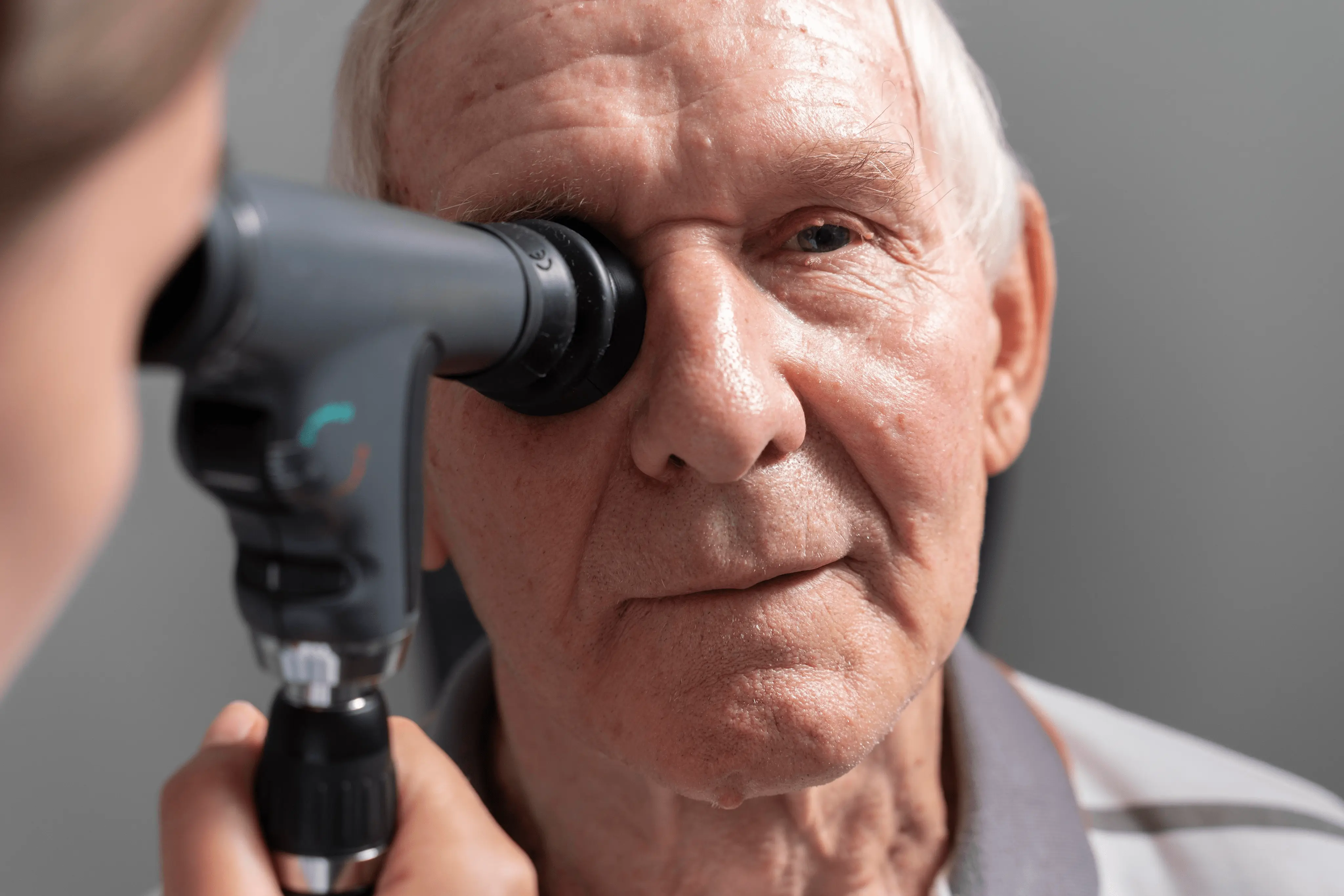
While early diabetic retinopathy may often have no symptoms while at the same time retinal damage occurs, routine diabetic eye exams can help detect potential issues prior to losing significant amounts of vision.
A standard diabetic eye examination includes pupil dilation and a thorough retinal evaluation. In some cases, imaging may occur during an examination to confirm swelling and/or leakage from the retina.
A standard diabetic eye examination may detect:
- Microaneurysms or leaking small blood vessels
- Swelling of the retina
- Areas of the retina that have poor blood circulation
- Areas of abnormal blood vessel growth
For all persons with diabetes, routine vision examinations are a necessity regardless of whether you believe you have normal vision.
Common Symptoms to Watch For
When diabetic retinopathy progresses, symptoms may appear suddenly.
These include:
- Blurred or fluctuating vision
- Dark spots or shadows
- Diabetes and floaters in eyes due to bleeding
- Difficulty seeing at night
- Sudden loss of central vision
Any of these signs require immediate evaluation.
Stages of Diabetic Retinopathy
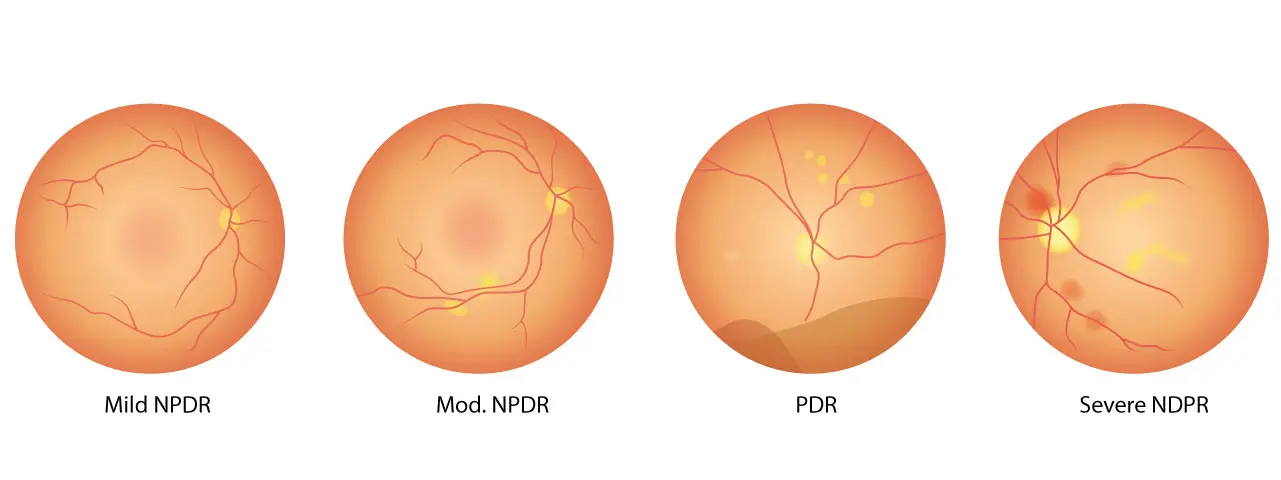
There are two main stages.
- 1. Non-Proliferative Diabetic Retinopathy: This early stage involves weakened blood vessels that leak fluid or blood. Swelling in the central retina, known as macular edema, can reduce sharp vision.
- 2. Proliferative Diabetic Retinopathy: In advanced stages, the retina grows fragile new blood vessels. These vessels bleed easily and can cause significant vision loss. Scar tissue may form and pull on the retina, increasing the risk of detachment. At this stage, intervention is critical.
Treatment Options for Diabetic Retinopathy
Treatment depends on severity.
Blood Sugar and Systemic Control
Key factors include:
- Stable blood glucose levels
- Controlled blood pressure
- Healthy cholesterol levels
- Smoking cessation
Improving systemic health slows progression at every stage.
Injection Therapy
When macular swelling affects central vision, medications may be injected into the eye. These reduce leakage and inflammation. Many patients experience stabilization or improvement with consistent treatment.
Laser Therapy
Laser therapy has been used for decades to treat diabetic retinopathy. Laser treatment seals leaking vessels and reduces abnormal vessel growth.
It is commonly recommended for proliferative disease to lower the risk of severe bleeding. Laser therapy protects remaining vision rather than restoring what is already lost.
Possible effects include:
- Temporary blurred vision
- Temporary blurred vision
- Reduced peripheral vision in extensive cases
The goal is preserving central sight.
Eye Surgery
In advanced cases, eye surgery such as vitrectomy may be necessary. This procedure removes blood from the vitreous and relieves traction caused by scar tissue.
Recovery may require:
- Limited physical activity
- Specific head positioning
- Follow up monitoring
Vision improvement may take weeks to months depending on severity.
How Long It Takes to Recover After Treatment
How long it takes you to recover from treatment depends upon what type of treatment you have.
If you had injections, your eyesight may be a little bit blurred for 1-2 days after, but most patients return back to having a normal level of activity pretty quickly afterwards. If there was a lot of swelling in the eye prior to treatment, it may take some time for you to see an improvement in your eyesight.
If you underwent laser treatment, you may experience some mild discomfort and some short-term changes to how you see after treatment. Some people may also experience changes in their peripheral vision after extensive laser treatment; however, the purpose of laser treatment is to maintain central vision and to prove severe loss of vision.
Recovery after eye surgery takes much longer. You may need to keep a certain position for the first several days after surgery and refrain from any strenuous activities. Unlike injections and lasers, vision may take a long time to improve after surgery, with healing taking weeks to months.
Treatment helps prevent the progression of diabetic retinopathy; it does not cure your diabetes. It is necessary to continue to monitor your diabetes with regular diabetic eye exams for the rest of your life even after successful treatment.
Preventing Progression
The most effective strategy for preventing severe diabetic retinopathy is proactive care. Regular diabetic vision tests, consistent blood sugar control, and early intervention make a measurable difference.
Research consistently shows that tight glucose control significantly reduces the risk of progression. Blood pressure management and smoking cessation also protect the retinal blood vessels.
If someone has diabetes and floaters in eyes, sudden blurry vision, or dark areas in vision, they should not wait. These symptoms can signal active bleeding or traction on the retina.
Preventing Progression
The most effective strategy for preventing severe diabetic retinopathy is proactive care. Regular diabetic vision tests, consistent blood sugar control, and early intervention make a measurable difference.
Research consistently shows that tight glucose control significantly reduces the risk of progression. Blood pressure management and smoking cessation also protect the retinal blood vessels.
If someone has diabetes and floaters in eyes, sudden blurry vision, or dark areas in vision, they should not wait. These symptoms can signal active bleeding or traction on the retina.
The Larger Picture
Diabetic Retinopathy is not just a vision issue; it is also a sign of overall systemic vascular overload. The retina is one of the only areas in the body where blood vessels can be directly seen and evaluated. Therefore, a diabetic eye exam gives providers a “window” into the overall body.
Current therapies, including laser therapy, laser treatment, and intraocular surgery, have significantly reduced the number of patients going blind with diabetic retinopathy. The best way to find early signs of diabetic retinopathy is with a routine diabetes eye exam or an evaluation of the retina.
Many patients with diabetes will maintain functional vision for many years through continued monitoring of vision, timely treatment, and tightly controlled glucose levels.