
Eye Condition in Elderly: Common Retinal Diseases and Vision Changes
- Home
- General
Common Retinal Diseases and Vision Changes
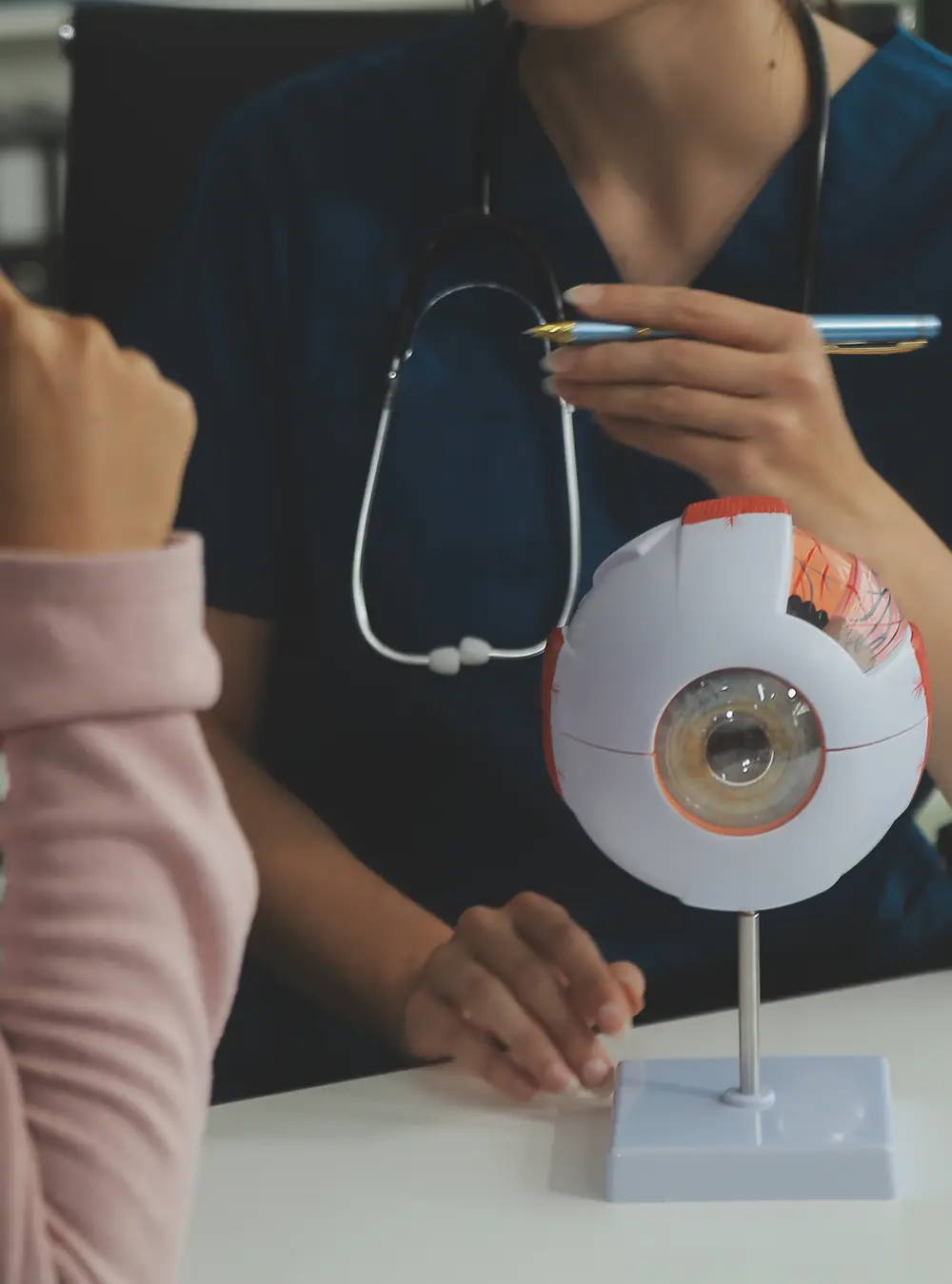
Eye condition in elderly adults can affect independence, daily activities, and overall quality of life. As people age, the risk of developing retinal diseases and other vision-threatening conditions increases significantly. While some vision changes are considered a normal part of aging, an eye condition in elderly patients may indicate a serious retinal disorder requiring prompt diagnosis and treatment.
At phRETINA, our retina specialists diagnose and treat a wide range of conditions that contribute to eye condition in elderly patients, helping protect vision through advanced imaging, early detection, and personalized treatment plans.
Common Causes of Eye Condition in Elderly Patients
Several retinal disorders are among the leading causes of eye condition in elderly adults.
Age-Related Macular Degeneration
macular degeneration is one of the most common causes of age-related vision loss. It affects the macula, the central part of the retina responsible for detailed vision.
Symptoms may include:
- Blurred central vision
- Distorted vision
- Difficulty reading
- Difficulty recognizing faces
Retinal Detachment
Retinal detachment is a vision-threatening emergency that requires immediate medical attention.
Symptoms may include:
- Flashes of light
- Sudden floaters
- Peripheral vision loss
- A curtain-like shadow over vision
Diabetic Retinopathy
Older adults with diabetes remain at risk for retinal blood vessel damage that can lead to diabetic retinopathy and vision loss.
Retinal Vein Occlusion
Blocked retinal veins can cause retinal swelling, bleeding, and visual impairment, making them a significant eye condition in elderly patients.
Vitreous Disorders
Changes in the vitreous gel commonly contribute to eye conditions in elderly individuals and may occasionally increase the risk of retinal tears.
Symptoms of Eye Condition in Elderly Adults
The symptoms vary depending on the underlying retinal disease.
Common Symptoms Include
- Blurred vision
- Distorted vision
- Difficulty reading
- Reduced contrast sensitivity
- Dark spots in vision
- New floaters
- Flashes of light
- Sudden vision loss
- Peripheral vision changes
Although some elderly vision problems may develop gradually, others can appear suddenly and require urgent evaluation.


Vision Problems in the Elderly and Daily Life
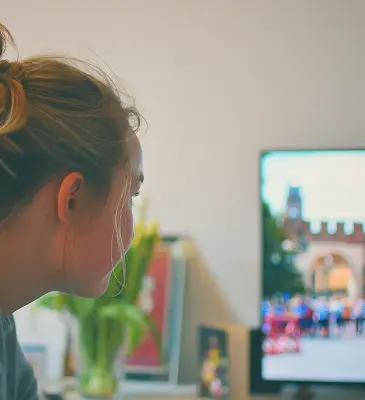
Vision problems in the elderly can affect many aspects of daily living.
Patients may have trouble with:
- Reading
- Driving
- Watching television
- Medication management
- Mobility and balance
- Recognizing faces
An untreated eye condition in elderly adults may reduce independence and increase the risk of falls and injury.
At phRETINA, we focus on preserving both vision and quality of life through comprehensive retinal care.
Eye Diseases for Elderly Patients That Require Monitoring
Several retinal disorders require ongoing monitoring because they may progress without obvious symptoms.
Macular Degeneration
A leading cause of age-related vision loss and central vision impairment.
Diabetic Retinopathy
Can cause retinal bleeding, swelling, and progressive vision loss.
Retinal Vein Occlusion
May result in retinal edema and reduced visual function.
Retinal Tears and Retinal Detachment
Can lead to permanent vision loss if left untreated.
Early diagnosis often allows more effective treatment and better visual outcomes.

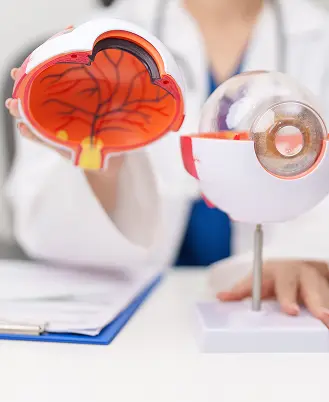
Age Related Vision Loss
Age-related vision loss can occur gradually or suddenly depending on the underlying cause.
Conditions associated with age related vision loss include:
- Macular degeneration
- Diabetic retinopathy
- Retinal vein occlusion
- Retinal detachment
- Vitreous hemorrhage
Many cases of eye condition in elderly patients become easier to manage when identified
early.
Regular retinal examinations help detect disease before severe vision loss
develops.
Bleeding Behind the Eye in Elderly Patients
Bleeding behind the eye in elderly individuals should always be evaluated by a retina specialist.
Possible Causes Include:
- Retinal vein occlusion
- Diabetic retinopathy
- Retinal tears
- Vitreous hemorrhage
- Retinal vascular disease
Symptoms may include:
- Sudden floaters
- Blurred vision
- Dark spots
- Visual obstruction
- Sudden vision changes
Advanced retinal imaging helps determine the cause and severity of bleeding.

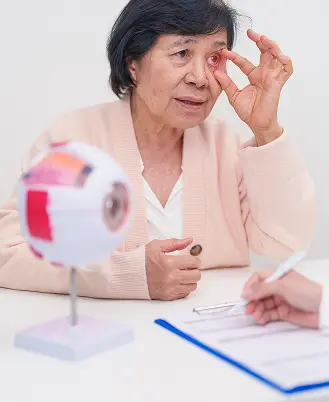
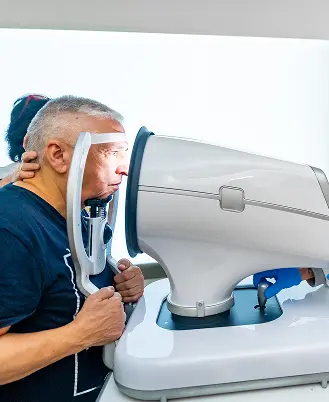
How phRETINA Diagnoses Eye Condition in Elderly Patients
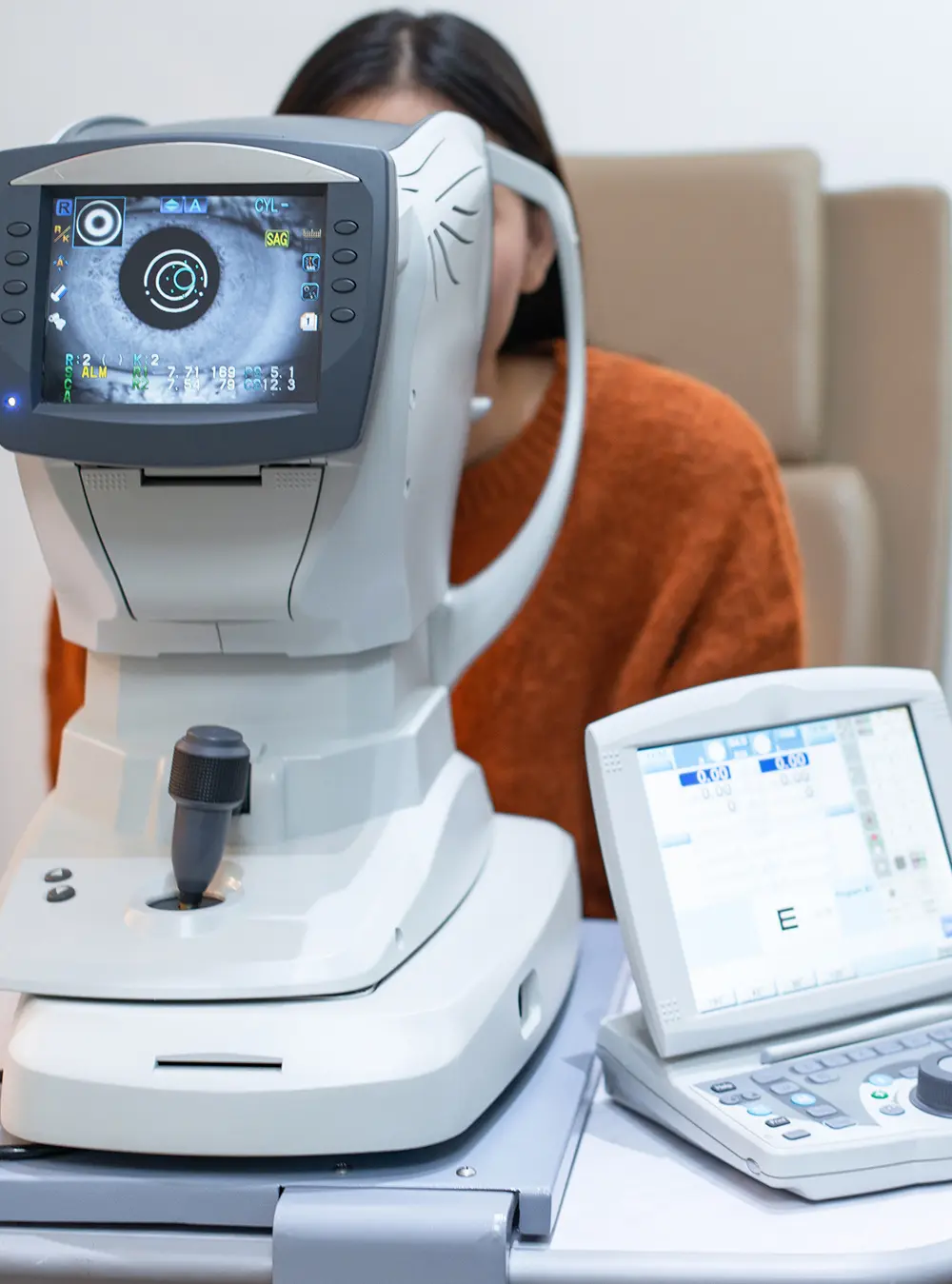
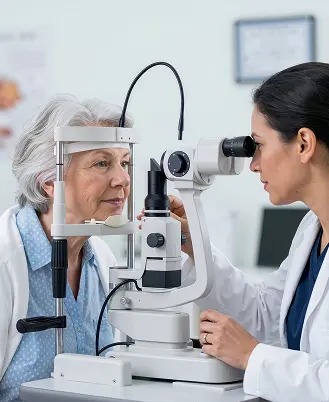
Accurate diagnosis is essential when evaluating an eye condition in elderly adults. At phRETINA, diagnostic testing may include:
Comprehensive Retinal Examination
A detailed evaluation of retinal health and visual function.
Optical Coherence Tomography (OCT)
High-resolution imaging is used to assess retinal structure and detect swelling or damage.
Retinal Imaging
Allows specialists to evaluate the peripheral retina and identify abnormalities.
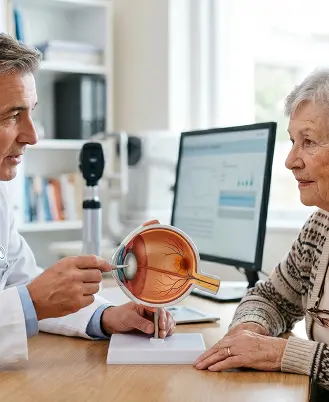
These technologies help identify the underlying cause of eye condition in elderly patients and guide treatment decisions.
Treatment Options for Eye Condition in Elderly Individuals
Treatment depends on the specific retinal disease and its severity.
Treatment May Include
- Retinal monitoring
- Anti-VEGF injections
- Laser treatment
- Vitrectomy surgery
- Retinal detachment repair
- Management of underlying medical conditions
The goal is to preserve vision, reduce complications, and slow disease progression.
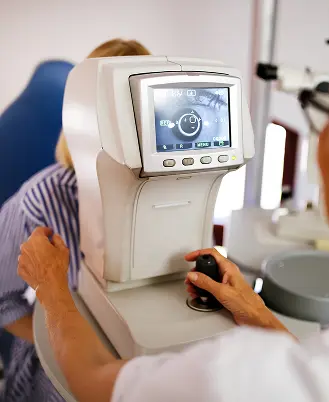
Why Early Detection Matters
Early diagnosis can significantly improve outcomes for patients with an eye condition in elderly adulthood.
Benefits of Early Detection
- Earlier treatment
- Preservation of vision
- Reduced risk of permanent vision loss
- Better treatment outcomes
- Improved quality of life
Many retinal diseases are most effectively managed before significant symptoms develop.
Why Choose phRETINA?
Patients with an eye condition in elderly adulthood benefit from specialized retinal care.
Retina-Focused Expertise
Dedicated diagnosis and treatment of retinal diseases.
Advanced Imaging Technology
State-of-the-art diagnostic tools for accurate evaluation. evaluation.
Personalized Care Plans
Treatment recommendations tailored to each patient's retinal condition.
Long-Term Monitoring
Ongoing care designed to preserve vision and retinal health.
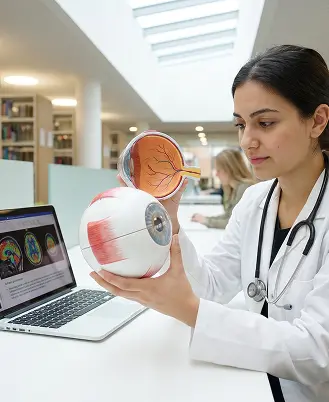
Dr. Paul Hahn provides expert retinal care in Nanuet, NY, diagnosing and treating a wide range of conditions that contribute to eye condition in elderly patients
Helpful Information for New and Returning Patients
Schedule a Retinal Evaluation
If you or a loved one is experiencing symptoms of an eye condition in elderly adulthood, schedule a comprehensive retinal evaluation at today.