
Lattice Degeneration: Symptoms, Causes & Retinal Risks
- Home
- General

Lattice Degeneration: Symptoms, Causes & Retinal Risks
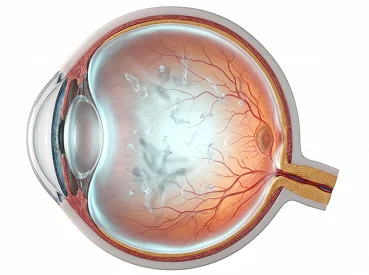
Lattice degeneration is a condition in which certain areas of the peripheral retina become thinner and develop changes in their appearance. The retina is the light-sensitive tissue at the back of the eye that sends visual information to the brain.
It typically affects the outer retina, not the central area for detailed vision, and often causes no symptoms. While it usually doesn’t impact central vision, retinal thinning can lead to tears, so detecting it during a thorough eye exam is important.
What Causes Lattice Degeneration?
The exact lattice degeneration causes are not fully understood. It is thought to be related to changes in the peripheral retina that may develop over time.
It can occur in people with otherwise healthy eyes and may be more commonly identified in individuals with certain retinal or eye characteristics.
Having lattice degeneration does not mean that a retinal tear or retinal detachmentr will definitely occur. Your overall retinal health and individual risk factors are important when determining how closely the condition should be monitored.
What Are the Symptoms of Lattice Degeneration?
Most people with lattice degeneration do not experience symptoms. It is often discovered during a dilated retinal examination performed for another reason or as part of a routine eye evaluation.
Because the condition typically affects the peripheral retina, it does not usually cause changes in central vision. However, you should be aware of symptoms that may indicate a retinal tear or detachment, including:
Warning Signs
- A sudden increase in floaters
- Flashes of light
- A sudden change in peripheral vision
Vision Changes
- A dark shadow or curtain moving across your vision
- Sudden or significant vision loss
These symptoms require prompt medical evaluation.
Is Lattice Degeneration Serious?
In most cases, it does not cause vision loss and does not require treatment. However, it is considered a retinal risk factor because retinal tears can occasionally develop within or near areas of lattice degeneration. A retinal tear can allow fluid to pass underneath the retina and may lead to a retinal detachment.
This does not mean that everyone with lattice degeneration will develop a retinal tear or detachment. Our retina specialist can assess your individual risk based on the appearance of your retina and other factors.

Lattice Degeneration Risks
The main concern associated with lattice degeneration is the possibility of a retinal tear or retinal detachment.
Our retina specialist may pay particular attention to your peripheral retina if you have:
- A history of retinal tears or detachment
- Significant nearsightedness
- Previous eye surgery
- A family history of retinal detachment
- A previous retinal tear
These factors do not guarantee that a retinal problem will develop. They simply help your specialist determine whether closer observation or additional precautions are appropriate.
Lattice Degeneration and Retinal Tears
A lattice degeneration retinal tear can occur when a break develops in or around an area of weakened retina. A retinal tear may allow fluid from inside the eye to move underneath the retina. If this progresses, it can result in a retinal detachment.
Not every area of lattice degeneration develops a tear, and preventive treatment is not automatically required. Our retina specialist will determine whether observation or treatment is appropriate based on your individual retinal findings.
Lattice Degeneration and Retinal Detachment
The relationship between lattice degeneration and retinal detachment is one reason regular retinal examinations are important.
A retinal detachment occurs when the retina separates from the tissue underneath it. This can threaten vision and generally requires prompt treatment.
If you have lattice degeneration, knowing the warning signs of retinal detachment is particularly important. A sudden increase in floaters, flashes of light, a shadow, or a curtain-like effect across your vision should be evaluated immediately.
How Is Lattice Degeneration Diagnosed?
Lattice degeneration is usually identified during a comprehensive dilated eye examination.
Dilated Retinal Examination
Eye drops are used to widen the pupils, allowing our retina specialist to examine the peripheral retina carefully. The specialist looks for areas of retinal thinning, lattice changes, retinal holes, tears, or other abnormalities.
Retinal Imaging
Additional retinal imaging may be used when necessary to document retinal findings or evaluate areas that require closer assessment. The examination is particularly important because it may be present without producing symptoms.

Does Lattice Degeneration Need Treatment?
In many cases, lattice degeneration does not require treatment. Instead, your retina specialist may recommend regular examinations to monitor the retina. The appropriate approach depends on factors such as whether retinal holes or tears are present, your retinal history, and your individual risk of retinal detachment.
If a retinal tear is identified, treatment may be recommended to reduce the risk of progression to retinal detachment.
Laser Treatment
In selected situations, laser treatment may be used around a retinal tear or other area considered at significant risk. The purpose is to create a protective barrier around the affected area. Treatment is not automatically performed for every person with lattice degeneration.
Can Lattice Degeneration Be Prevented?
There is no established way to reverse the retinal changes associated with lattice degeneration, and there is no guaranteed method of preventing it from developing. The most important approach is awareness and appropriate retinal monitoring.
If you have been diagnosed with lattice degeneration, follow the examination schedule recommended by our eye specialist and seek prompt care if you develop new flashes, floaters, or changes in your peripheral vision.
When Should You See a Retina Specialist?
You should arrange a retinal evaluation if you have been diagnosed with lattice degeneration or have risk factors for retinal tears or detachment.
Seek immediate medical attention if you experience:
- A sudden increase in floaters
- New flashes of light
- A dark shadow in your vision
- A curtain-like area across your sight
- Sudden loss of peripheral or central vision
These symptoms can indicate a retinal tear or detachment and should not be ignored.


Why Choose Dr. Paul Hahn?
Dr. Paul Hahn, MD, PhD, FASRS, is a board-certified retina specialist with extensive experience treating retinal conditions.
He is fellowship-trained in vitreoretinal surgery and has more than 9 years of surgical experience in retina care. Dr. Hahn has also led more than 30 clinical trials with over 100 publications in retinal disease treatment.
At phRETINA in Nanuet, NY, he uses advanced retinal diagnostics to evaluate retinal conditions and develop individualized, evidence-based care plans. His clear and respectful approach helps patients understand their diagnosis, retinal risks, and available treatment options.
Conclusion
Lattice degeneration affects the peripheral retina and can cause thinning, but most people have no symptoms or central vision loss. While it doesn't guarantee retinal tears or detachment, these risks exist. Regular eye exams and knowing warning signs are key seek immediate care if you notice flashes, increased floaters, or a shadow in your vision.
Frequently Asked Questions
Concerned About Retinal Thinning or New Flashes and Floaters?
Schedule a comprehensive retinal evaluation today.