
Laser Retinal Photocoagulation: Treating Retinal Disease
- Home
- General
Laser Retinal Photocoagulation
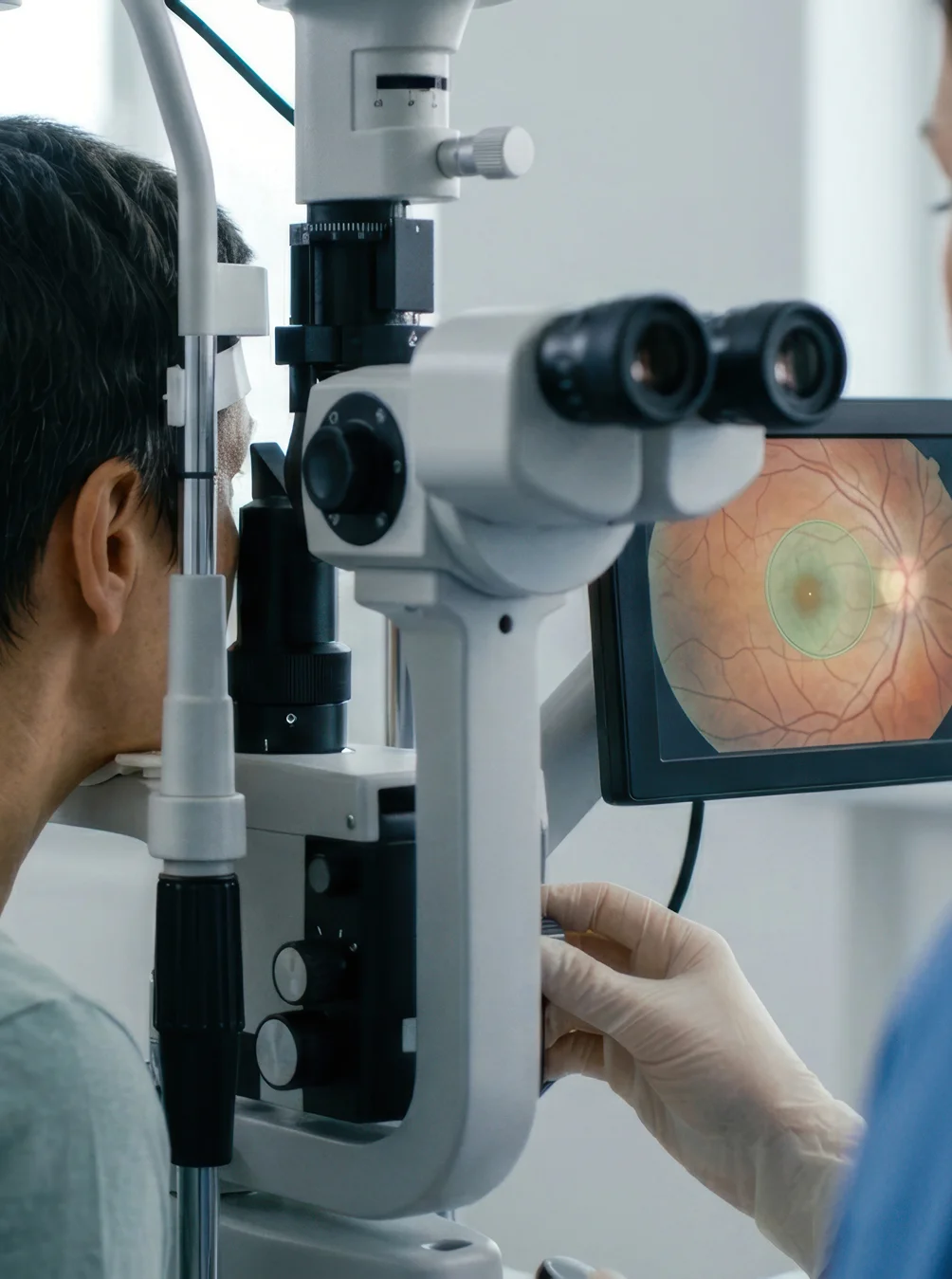
Laser retinal photocoagulation is a well-established treatment used to manage a variety of retinal conditions that can threaten vision. By applying targeted laser energy to specific areas of the retina, retina specialists can seal retinal tears, reduce abnormal blood vessel growth, and help prevent vision loss from retinal disease.
At phRETINA, we use advanced retinal imaging and individualized treatment planning to determine when laser treatment may be beneficial and how it can be incorporated into a comprehensive retinal care strategy.
What Is Laser Retinal Photocoagulation?
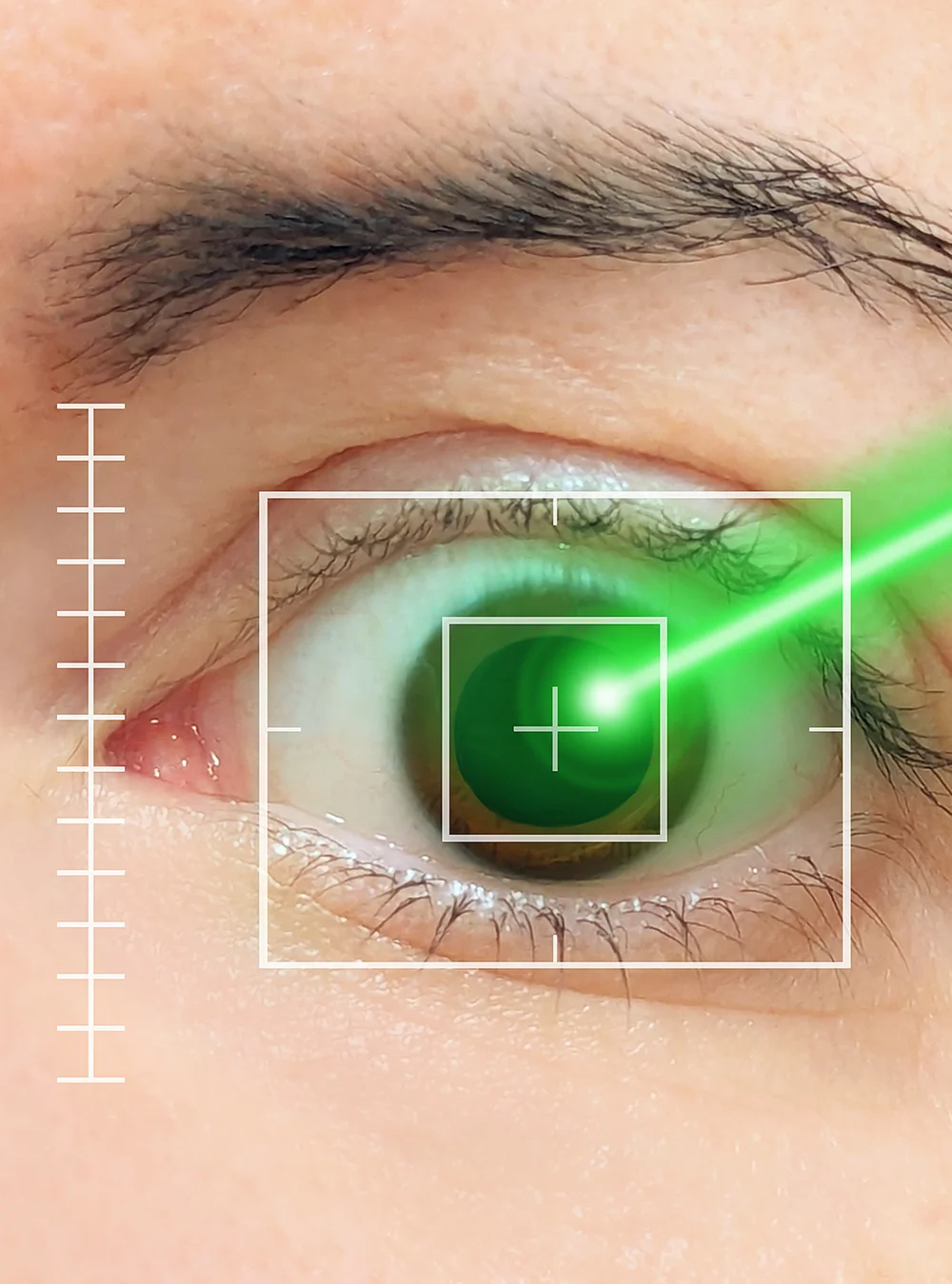
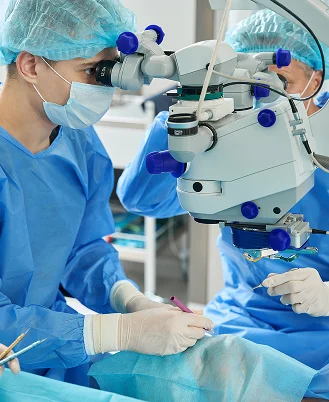
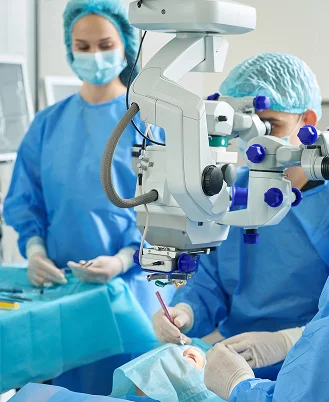
Laser retinal photocoagulation is a specialized retinal treatment that uses precisely focused laser energy to create controlled therapeutic burns on targeted retinal tissue.
The goal of treatment depends on the underlying retinal condition and may include:
- Sealing retinal tears
- Preventing retinal detachment
- Reducing retinal swelling
- Limiting abnormal blood vessel growth
- Preserving vision
Laser treatment has been an important part of retinal disease management for decades and continues to play a valuable role alongside modern medical therapies.
Conditions Treated with Retinal Laser Surgery
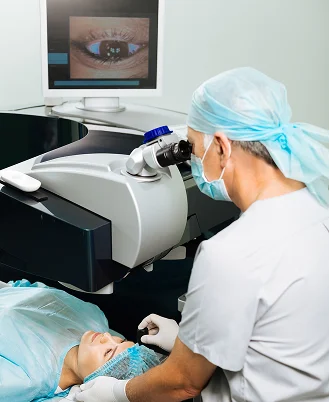
Retinal laser surgery may be recommended for several retinal disorders.
Retinal Tears
Small retinal tears can often be treated before a retinal detachment develops.
Diabetic Retinopathy
Laser treatment may help reduce complications associated with advanced diabetic retinal disease.
Retinal Vein Occlusion
Retinal vein occlusion laser treatment may be used in selected cases to manage retinal complications.
Retinal Holes
A retinal hole laser procedure can help reinforce the retina and reduce the risk of progression.
Retinal Detachment Prevention
Photocoagulation for retinal detachment may be used when retinal tears are identified before full detachment occurs.
At phRETINA, our retina specialists provide advanced diagnostic imaging, expert retinal care, and personalized treatment plans designed to protect vision and support long-term retinal health.
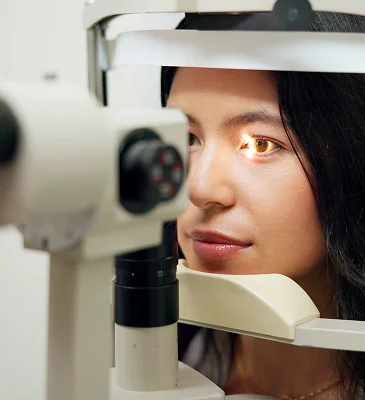
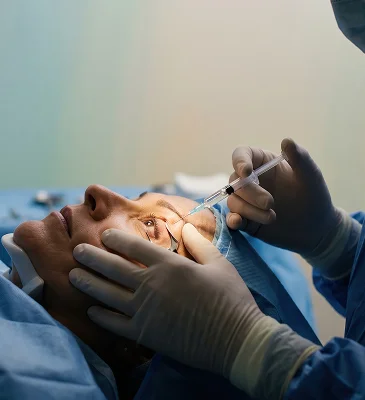

Retinal Tear Treatment with Laser
One of the most common uses of laser retinal photocoagulation is the treatment of retinal tears.
How Laser Treatment Helps
When a retinal tear develops, fluid may pass beneath the retina and lead to retinal detachment. Laser treatment creates a protective barrier around the tear, helping secure the retina to the underlying tissue and reducing the risk of progression.
Laser Retinopexy
Laser retinopexy is the term often used for laser treatment of retinal tears and certain
retinal holes.
Benefits include:
- Minimally invasive treatment
- Outpatient procedure
- Rapid recovery
- Reduced risk of retinal detachment
Early intervention often provides the best outcomes.
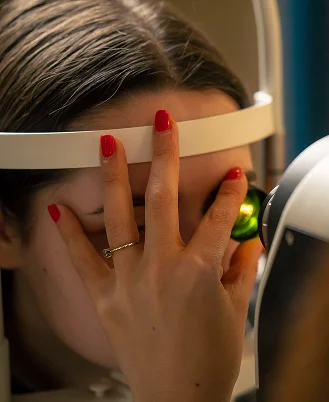
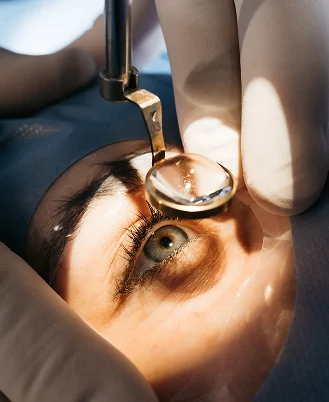
Panretinal Laser Photocoagulation
Panretinal laser photocoagulation is a specialized laser treatment primarily used for advanced diabetic retinopathy.
Why It Is Performed
In advanced diabetic retinal disease, abnormal blood vessels can develop and increase the risk of bleeding and vision loss. Panretinal laser photocoagulation helps reduce retinal oxygen demand and decreases the stimulus for abnormal blood vessel growth.
Treatment Goals
- Reduce retinal ischemia
- Control neovascularization
- Lower the risk of severe vision loss
- Improve long-term retinal stability
At phRETINA, treatment plans are individualized based on disease severity and retinal imaging findings.
Retinopathy Laser Surgery
Certain forms of diabetic retinopathy may benefit from retinopathy laser surgery as part of a comprehensive treatment strategy.
Laser treatment may be recommended when:
- Retinal ischemia is present
- Abnormal blood vessels are developing
- Disease progression threatens vision
- Additional intervention is needed alongside injections
Retinal laser treatment is often combined with other therapies depending on the patient's condition.
Retinal Vein Occlusion Laser Treatment
Retinal vein occlusions can cause retinal swelling and abnormal blood vessel growth.
When Laser May Be Used
Retinal vein occlusion laser treatment may be considered when:
- Retinal ischemia develops
- Neovascularization occurs
- Additional retinal complications are present
Treatment decisions are based on careful retinal evaluation and ongoing monitoring.
What to Expect During Treatment
Most retinal laser procedures are performed in an outpatient setting.
Before Treatment
Patients typically undergo:
- Comprehensive retinal examination
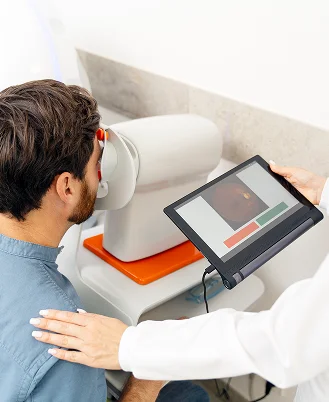
- Retinal imaging
- Pupil dilation
- Treatment planning
During Treatment
- The eye is numbed using anesthetic drops.
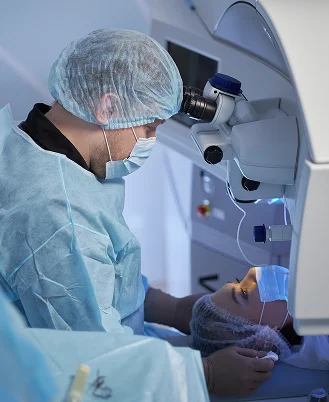
- A specialized laser is used to deliver treatment to targeted retinal areas.
- Most procedures are completed within a relatively short period of time.
After Treatment
Patients may experience:
- Temporary blurred vision
- Mild discomfort
- Light sensitivity
- Temporary visual disturbances
These symptoms usually improve over the following days.
Benefits of Laser Retinal Photocoagulation
Laser treatment offers several important advantages.
Potential Benefits
- Minimally invasive treatment
- Outpatient procedure
- Prevention of retinal detachment
- Reduction of retinal complications
- Preservation of vision
- Long-term retinal stabilization
Early treatment often provides the greatest opportunity to protect vision. often provides the greatest opportunity to protect vision.

Why Choose phRETINA?
Successful retinal laser treatment requires accurate diagnosis, careful planning, and ongoing monitoring. At phRETINA, patients benefit from:
Retina-Focused Expertise
Specialized care from physicians dedicated to retinal diseases.
Advanced Diagnostic Imaging
High-resolution retinal imaging that guides treatment decisions.
Personalized Treatment Plans
Individualized care based on each patient's retinal condition and visual goals.
Comprehensive Follow-Up Care
Long-term monitoring to help maintain retinal health and preserve vision.
Patients receive care from Dr. Paul Hahn, a board-certified vitreoretinal surgeon recognized for his expertise in diagnosing and treating complex retinal conditions using advanced medical and surgical techniques at our clinic in Nanuet, NY.
Helpful Information for New and Returning Patients
Schedule a Retinal Evaluation
Protect your vision with prompt diagnosis, expert treatment, and personalized retinal care.