
Diabetic retinopathy is a common complication of diabetes that can affect vision if not managed early. One of the established approaches for diabetic retinopathy treatment involves laser photocoagulation, a procedure designed to control retinal damage and preserve vision.
Understanding diabetic retinopathy treatment options can help patients feel more confident about managing their condition. This guide explains how laser therapy works, what to expect, and when it may be recommended.
What Is Laser Photocoagulation?
Patients often ask: what is photocoagulation?
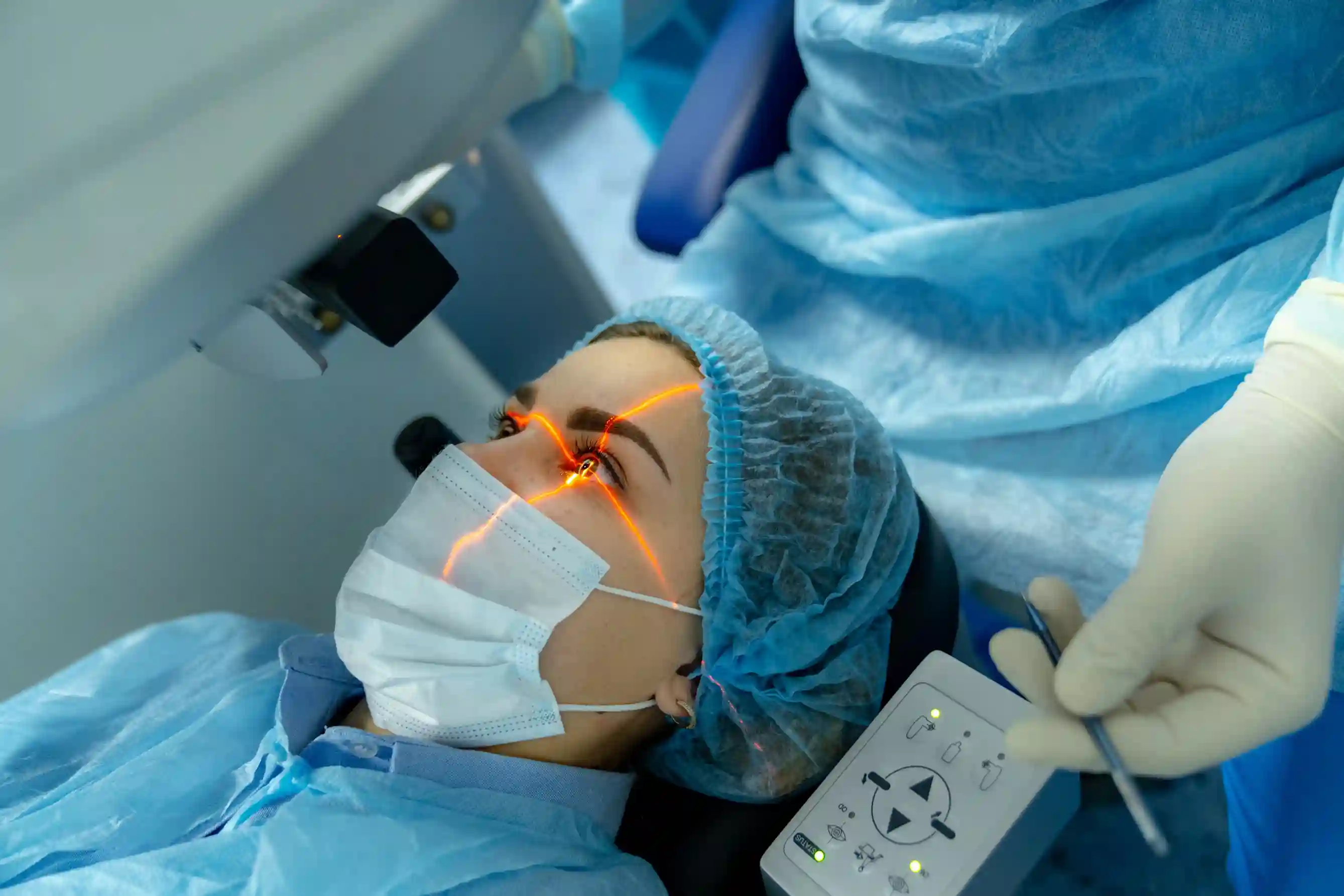
Photocoagulation is a laser-based procedure used to treat abnormal blood vessels in the retina. It works by applying controlled laser energy to targeted areas, helping seal leaking vessels and reduce further damage.
As part of diabetic retinopathy treatment, this method helps stabilize the retina and prevent progression of the disease.
How Laser Treatment Helps in Diabetic Retinopathy
In diabetic retinopathy, high blood sugar levels can damage retinal blood vessels, leading to leakage and swelling.
Laser therapy, often referred to as coagulation laser treatment, helps by:
- Sealing leaking blood vessels
- Reducing retinal swelling
- Preventing abnormal vessel growth
This makes it an important component of diabetic retinopathy treatment, especially in advanced stages.
Types of Laser Photocoagulation
There are different approaches depending on the condition:
- Focal laser treatment: Targets specific leaking blood vessels
- Panretinal photocoagulation: Treats larger areas of the retina to control abnormal vessel growth
Both approaches are widely used in diabetic eye disease laser treatment and are tailored to the patient's condition.
What to Expect During the Procedure
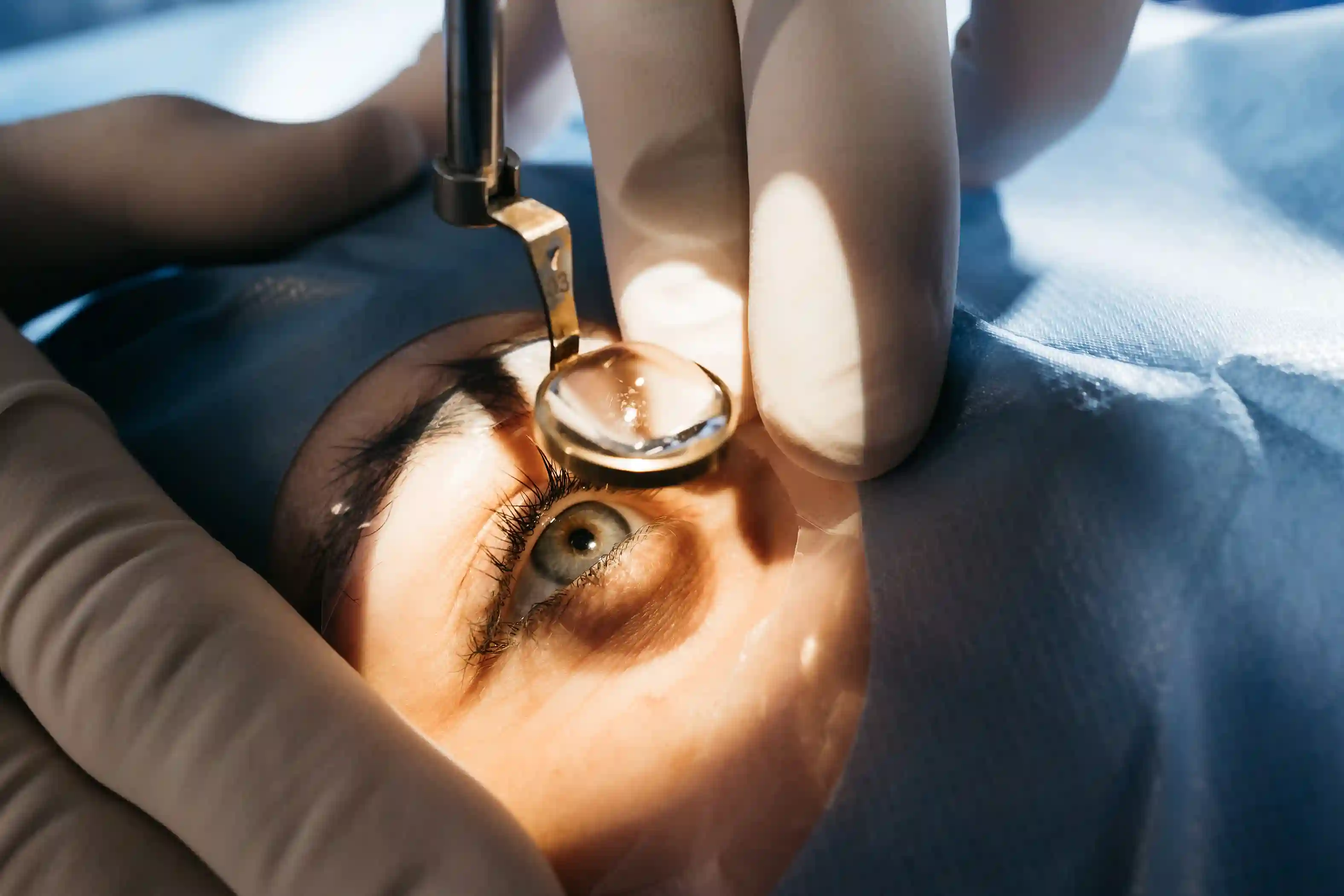
Understanding the process can help reduce anxiety around the treatment.
Before the procedure:
- Eye drops are used to dilate and numb the eye
During the procedure:
- A laser is applied to the retina
- The treatment is precise and typically completed in a short time
After the procedure:
- Mild discomfort or blurred vision may occur temporarily
- Most patients can resume normal activities soon after
Laser photocoagulation is generally safe when performed by experienced specialists.
Benefits of Laser Photocoagulation
Key benefits include:
- Slowing or stopping disease progression
- Reducing the risk of vision loss
- Stabilizing retinal health
While it may not fully restore lost vision, it plays a critical role in preserving remaining sight.
When Is Laser Treatment Recommended?
Not all patients with diabetic retinopathy require laser treatment immediately.
It is typically recommended when:
- There is significant leakage from blood vessels
- Abnormal vessel growth is present
- The risk of vision loss is high
Your retinal specialist will determine the right timing for diabetic retinopathy treatment based on your condition.
Are There Risks or Side Effects?
Like any medical procedure, laser photocoagulation may have some risks, although they are usually minimal.
Possible side effects include:
- Temporary blurred vision
- Mild discomfort
- Reduced night vision in some cases
These effects are generally manageable, and the benefits of diabetic retinopathy treatment often outweigh the risks.
Conditions Related to Diabetic Retinopathy
Diabetic retinopathy may also be associated with other retinal issues such as:
- Macular edema
- Retinal vascular disease
- Advanced retinal complications
Managing these conditions often requires a comprehensive diabetic retinopathy treatment plan.
Why Early Treatment Matters
Early diagnosis and timely treatment are essential to prevent irreversible vision loss.
Delaying care can allow the condition to progress, making treatment more complex. Regular eye exams help detect changes early and improve outcomes.
How to Protect Your Vision with Diabetes
Managing diabetes effectively plays a key role in eye health.
Important steps include:
- Controlling blood sugar levels
- Monitoring blood pressure
- Scheduling regular retinal check-ups
These measures support the success of diabetic retinopathy treatment and help protect long-term vision.
Why Regular Retinal Exams Matter
Even without noticeable symptoms, diabetic retinopathy can progress silently. A detailed retinal examination helps detect early changes before they affect vision.
Routine monitoring ensures that diabetic retinopathy treatment can begin at the right time, reducing the risk of complications.
Conclusion
Laser photocoagulation remains an important option in diabetic retinopathy treatment. By targeting abnormal blood vessels and reducing leakage, it helps stabilize the retina and protect vision.
While not all patients require laser therapy, it plays a crucial role in managing advanced stages of the condition. Understanding its options allow patients to make informed decisions and seek care at the right time.
FAQs
- What is photocoagulation in diabetic retinopathy treatment?
Photocoagulation is a laser procedure used in diabetic retinopathy treatment to seal leaking blood vessels and prevent further retinal damage. - Is diabetic retinopathy treatment with laser painful?
Laser treatment is generally well tolerated. The eye is numbed before the procedure, and most patients experience minimal discomfort. - How effective is diabetic retinopathy treatment with laser?
Laser therapy is effective in slowing disease progression and reducing the risk of vision loss in many patients. - When is diabetic retinopathy treatment with photocoagulation needed?
It is recommended when there is significant leakage, swelling, or abnormal blood vessel growth in the retina.