
Eye Uveitis: Causes, Symptoms, Diagnosis & Treatment
- Home
- General
Eye Uveitis: Causes, Symptoms, Diagnosis & Treatment
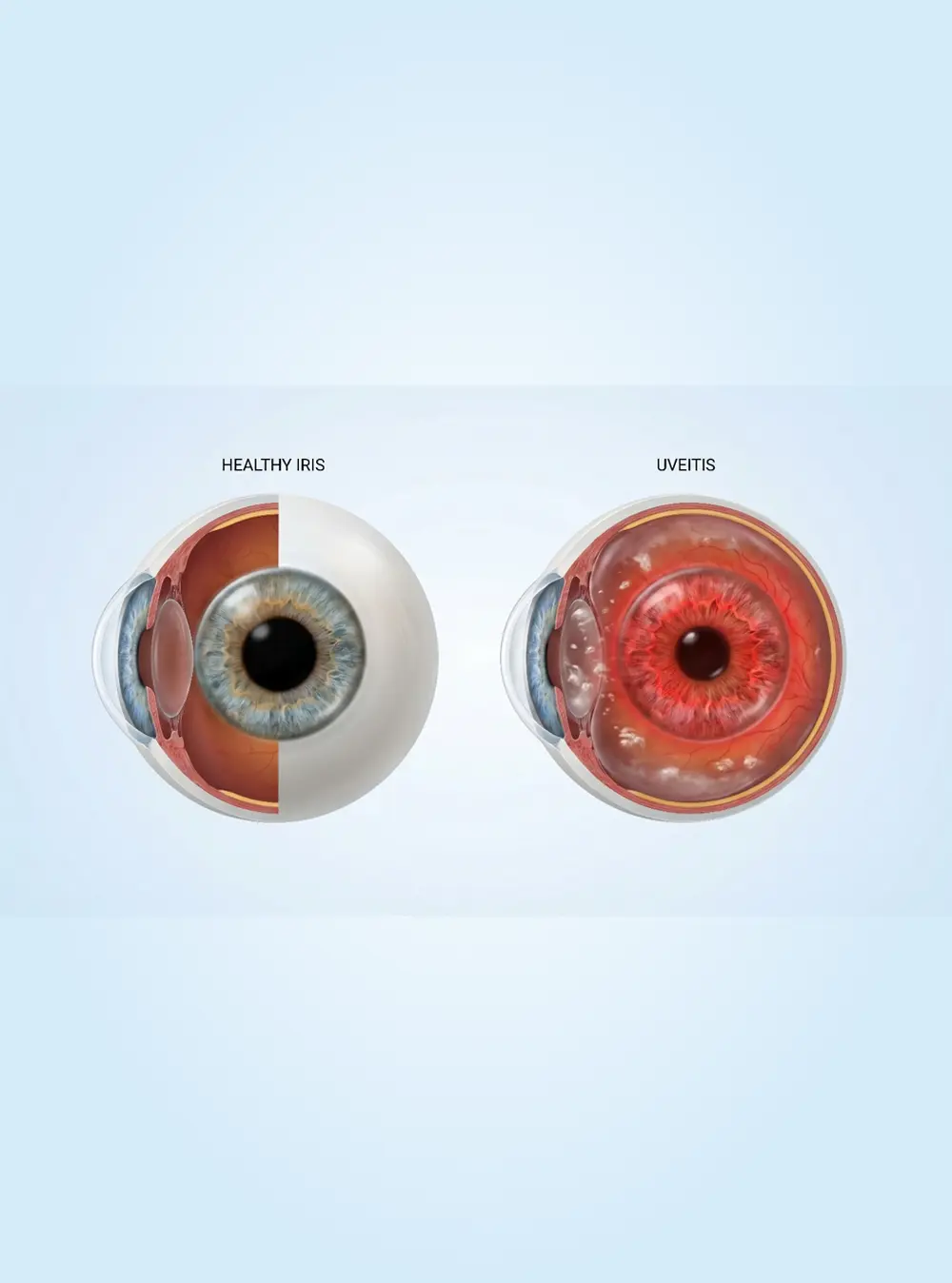
Uveitis is inflammation affecting the uvea, the middle layer of the eye that includes the iris, ciliary body, and choroid. It can develop suddenly or gradually and may affect one or both eyes.
Because inflammation can involve structures responsible for vision, untreated uveitis may lead to complications such as retinal swelling, glaucoma, cataracts, or vision loss. Prompt evaluation can help identify the underlying cause and determine appropriate treatment.
What Is Eye Uveitis?
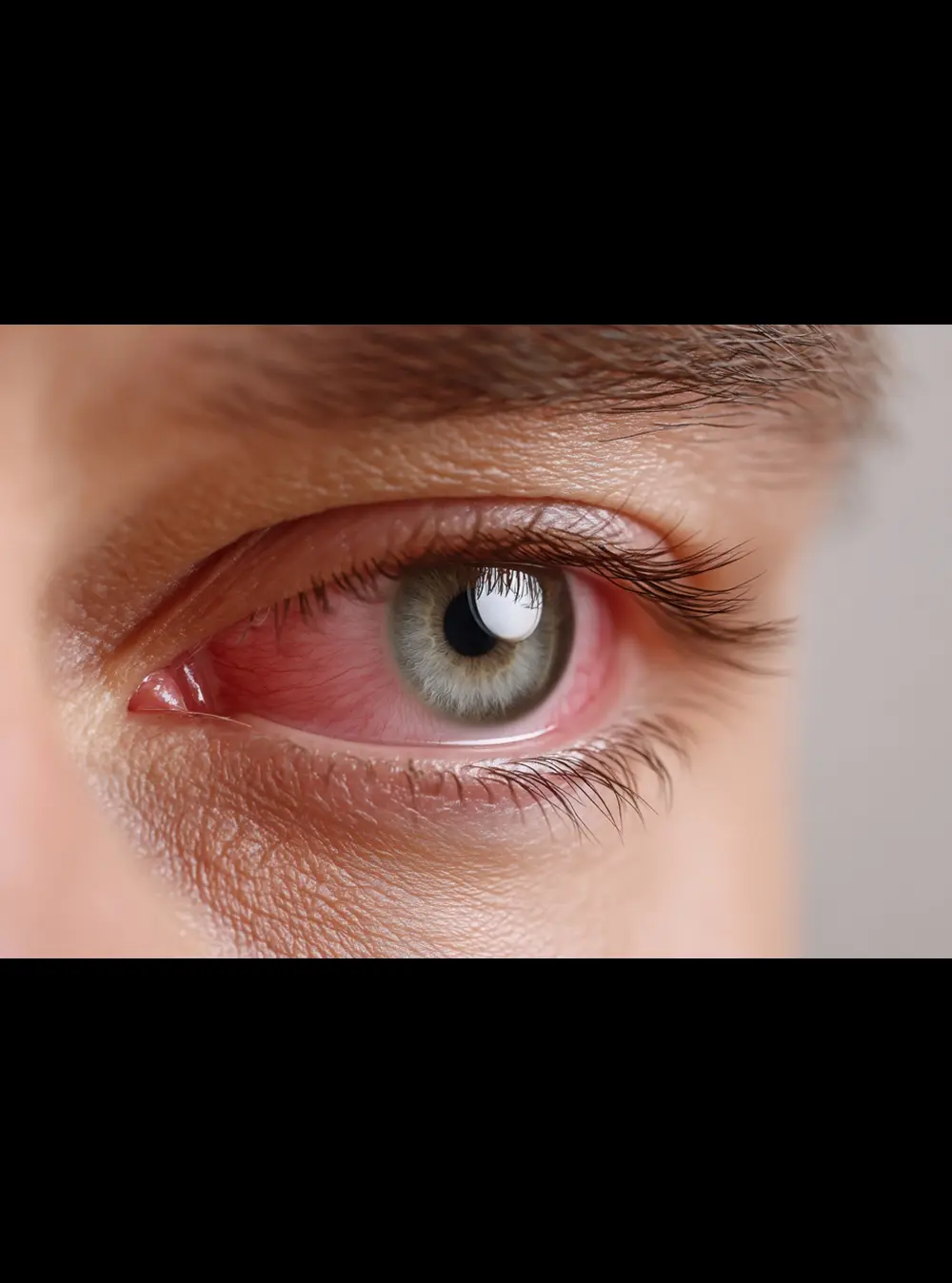
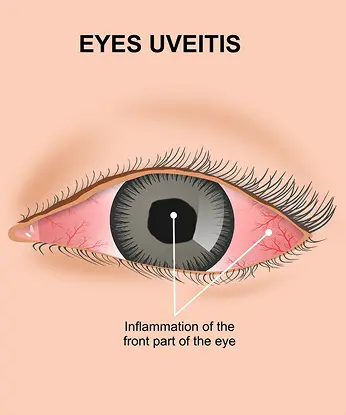
Eye uveitis is inflammation inside the eye involving the uveal tract. Depending on which part of the eye is affected, uveitis can cause pain, redness, light sensitivity, blurred vision, floaters, or reduced vision.
Uveitis is classified by the location of inflammation:
- Anterior uveitis: Affects the front of the eye, particularly the iris. It is the most common form.
- Intermediate uveitis: Involves inflammation in the vitreous, the gel-like substance inside the eye.
- Posterior uveitis: Affects the retina or choroid toward the back of the eye.
- Panuveitis: Involves inflammation throughout multiple parts of the eye.
The location, severity, and cause of inflammation all influence treatment.
Uveitis Causes and Risk Factors
There is no single cause of uveitis. In some cases, the exact cause cannot be identified. This is known as idiopathic uveitis.
Potential uveitis causes include:
- Autoimmune or inflammatory conditions
- Certain infections
- Eye injuries or trauma
- Inflammatory diseases affecting other parts of the body
- Certain medications
- Other conditions affecting the immune system
Some infections and systemic inflammatory conditions can cause inflammation within the eye. Identifying the underlying condition, when possible, is important because treatment may need to address both the eye inflammation and the associated disease.
What Are the Symptoms of Uveitis?
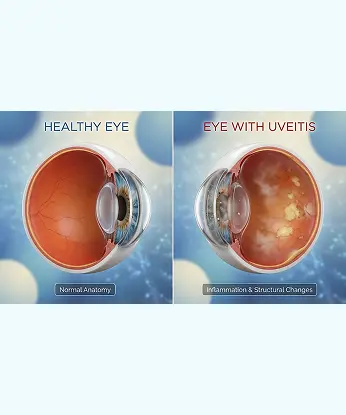
Uveitis symptoms can vary depending on which part of the eye is inflamed.
Common symptoms include:
- Eye pain or aching
- Blurred or reduced vision
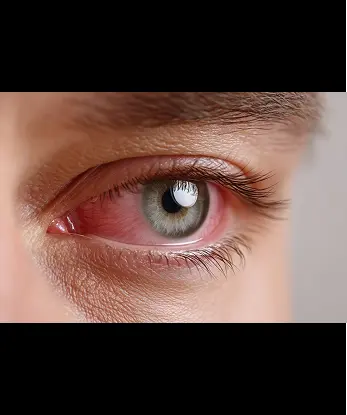
- Eye redness
- Floaters or spots in the field of vision
- Light sensitivity
- Increased tearing
- Difficulty seeing clearly
- Dark spots or shadows in the vision
The location, severity, and cause of inflammation all influence treatment.
Uveitis Light Sensitivity and Redness
Uveitis light sensitivity, also called photophobia, is particularly common with inflammation affecting the front of the eye. Patients may find bright lights uncomfortable or experience pain when exposed to light.
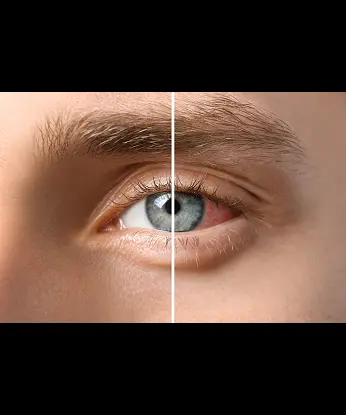
Uveitis redness may also occur when blood vessels near the front of the eye become inflamed. Significant redness accompanied by pain, light sensitivity, or changes in vision should be evaluated promptly. Uveitis photophobia and other symptoms can sometimes resemble conditions such as conjunctivitis, making an eye examination important for an accurate diagnosis.
How Is Uveitis Diagnosed?
A comprehensive eye examination is needed to determine whether inflammation is present and identify which parts of the eye are affected.
Eye Examination
Our retina specialist may examine the front and back of the eye using specialized instruments. The examination can reveal inflammatory cells, swelling, abnormal blood vessels, or other changes.
Retinal Imaging
Imaging tests such as optical coherence tomography (OCT) can help evaluate the retina and detect complications such as macular edema, or swelling in the central retina. Additional testing may be recommended depending on the patient's symptoms, examination findings, and medical history.
Finding the Underlying Cause
When the pattern of inflammation suggests an underlying systemic or infectious condition, additional laboratory testing or evaluation by another medical specialist may be appropriate.
Uveitis Treatment
Uveitis treatment depends on the type, severity, location, and underlying cause of the inflammation.
Treatment may include:
- Corticosteroid eye drops: Often used for inflammation affecting the front of the eye.
- Steroid injections or implants: May be considered when inflammation involves deeper structures of the eye.
- Systemic medications: Oral or injectable medications may be appropriate for some patients with significant or recurrent inflammation.
- Immunosuppressive therapy: Patients with certain autoimmune or inflammatory conditions may require medications that control the immune response.
- Antimicrobial medications: When an infection is responsible, treatment is directed at the specific infectious cause.
- Treatment of complications: Retinal swelling, glaucoma, cataracts, or other complications may require additional treatment.
The goal is to control inflammation, protect vision, and address the underlying cause whenever one can be identified.
How Long Does Uveitis Last?
The answer to how long does uveitis last depends on its cause and whether the inflammation responds to treatment. Some cases resolve after a relatively short episode, while others may persist for months or recur over time. Chronic or recurrent uveitis requires ongoing monitoring because inflammation can return even after symptoms improve.
Regular follow-up helps determine whether inflammation has fully resolved and whether treatment needs to be continued, adjusted, or reduced.
Can Uveitis Be Cured?
Whether uveitis can be cured depends on its underlying cause.
Some episodes can resolve completely with appropriate treatment, while other forms may recur or require long-term management. When uveitis is associated with an underlying inflammatory or autoimmune condition, controlling that condition can be an important part of preventing further eye inflammation.
Even when symptoms improve, follow-up examinations remain important because inflammation or related complications may sometimes persist without obvious symptoms.
Potential Complications of Uveitis
Without appropriate treatment, persistent inflammation may affect vision and lead to complications such as:
- Macular edema
- Cataracts
- Glaucoma
- Retinal damage
- Abnormal blood vessel growth
- Permanent vision loss in severe cases
The risk depends on the location, severity, and duration of inflammation.
When Should You See a Retina Specialist?
Seek prompt medical evaluation if you develop:
Vision Changes
- Sudden or worsening vision changes
- Blurred vision that does not improve
Eye Symptoms
- Significant eye pain
- New or increasing floaters
Warning Signs
- Light sensitivity with eye redness
- A dark spot, shadow, or curtain in your vision
Sudden vision loss or a sudden increase in floaters and flashes requires urgent evaluation because other serious retinal conditions can cause similar symptoms. If you are searching for a uveitis doctor near me or uveitis treatment near me, choosing a physician experienced in retinal and inflammatory eye conditions can help ensure that both the inflammation and its effect on the retina are evaluated.
Why Choose Dr. Paul Hahn?
Dr. Paul Hahn, MD, PhD, FASRS, is a board-certified retina specialist with extensive experience treating retinal conditions.
He is fellowship-trained in vitreoretinal surgery and has more than 9 years of surgical experience in retina care. Dr. Hahn has also led more than 30 clinical trials with over 100 publications in retinal disease treatment.
At phRETINA in Nanuet, NY, he uses advanced retinal diagnostics to evaluate retinal conditions and develop individualized, evidence-based care plans. His clear and respectful approach helps patients understand their diagnosis, retinal risks, and available treatment options.
Conclusion
Eye uveitis is an inflammatory condition that can affect different parts of the eye and may have infectious, autoimmune, traumatic, medication-related, or unknown causes. Symptoms such as redness, pain, blurred vision, floaters, and light sensitivity should not be ignored.
Early diagnosis and appropriate treatment can help control inflammation and reduce the risk of vision-related complications. The appropriate treatment depends on the type of uveitis and its underlying cause.