
Noticing a shadow, spot, or dark area in your field of vision can be concerning. While some visual changes may be temporary or harmless, persistent symptoms should never be ignored. Many patients who see dark spots in vision worry about whether the symptoms indicate a serious retinal condition.
The retina plays a critical role in visual function, and even small abnormalities can affect how light is processed. Understanding why you may see dark spots in vision can help you recognize warning signs early and seek appropriate care before vision becomes permanently affected.
What Does a Dark Spot in Vision Look Like?
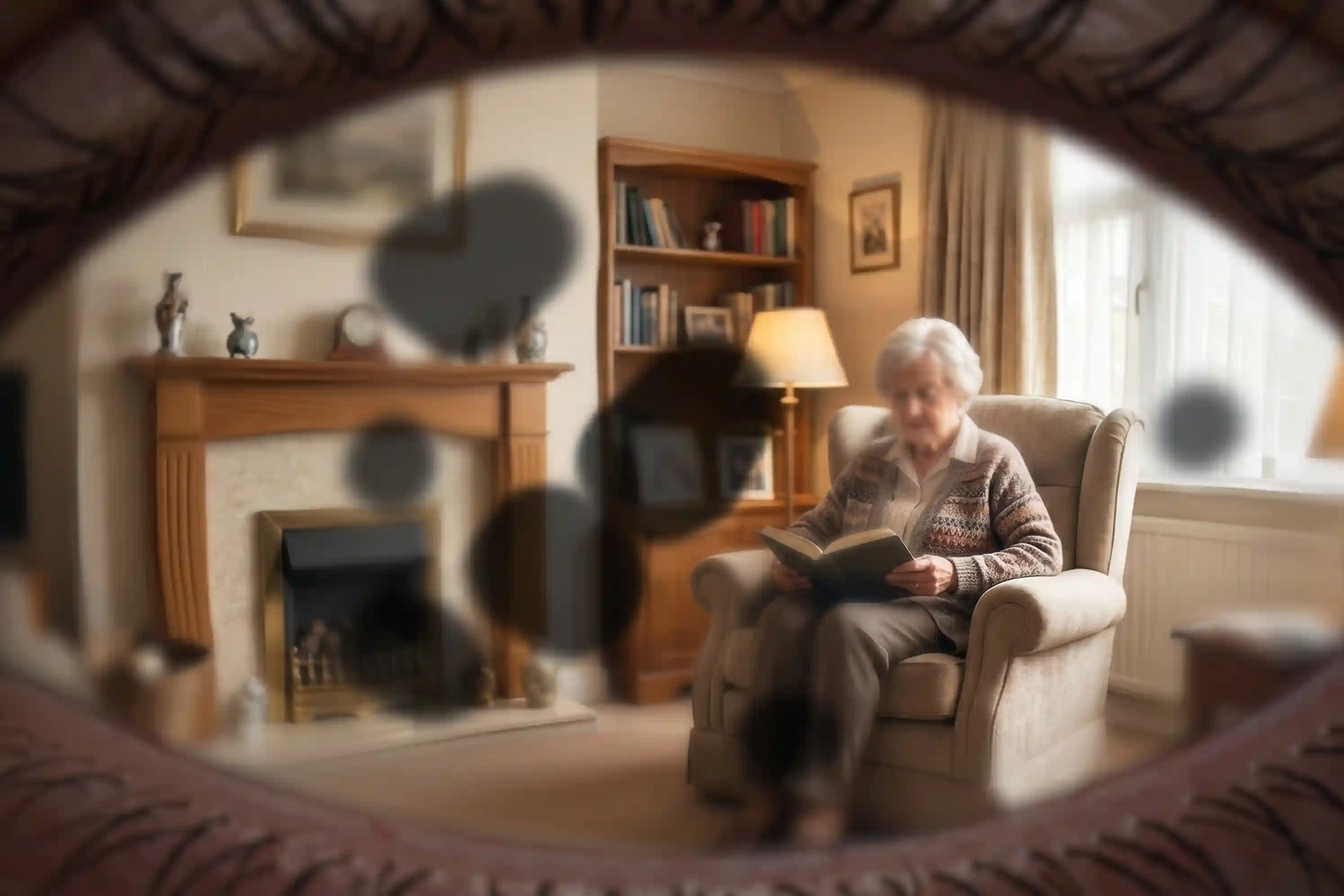
Patients describe dark spots differently depending on the cause.
Some common descriptions include:
- Small floating spots
- Fixed dark areas
- Blurry shadows
- Gray or black patches
- Blind spots in vision
In some cases, symptoms move across the visual field. In others, the dark area remains stationary and interferes with reading or central vision.
Because different retinal conditions can produce similar symptoms, any persistent change should be evaluated carefully.
1. Floaters and Vitreous Changes
One of the most common reasons patients see dark spots in vision involves changes in the vitreous gel inside the eye.
As the vitreous naturally ages, tiny clumps or strands can form and cast shadows on the retina. These appear as floating dark spots in eyes that may drift when looking around.
While occasional floaters are common, sudden increases in floaters should be evaluated to rule out retinal tears or other complications.
2. Retinal Tears
A retinal tear develops when the vitreous pulls strongly on the retina.
When this occurs, patients may suddenly see dark spots in vision along with flashes of light or new floaters. Without treatment, retinal tears can progress to retinal detachment and threaten permanent vision loss.
Prompt retinal evaluation is important whenever symptoms appear suddenly.
3. Retinal Detachment
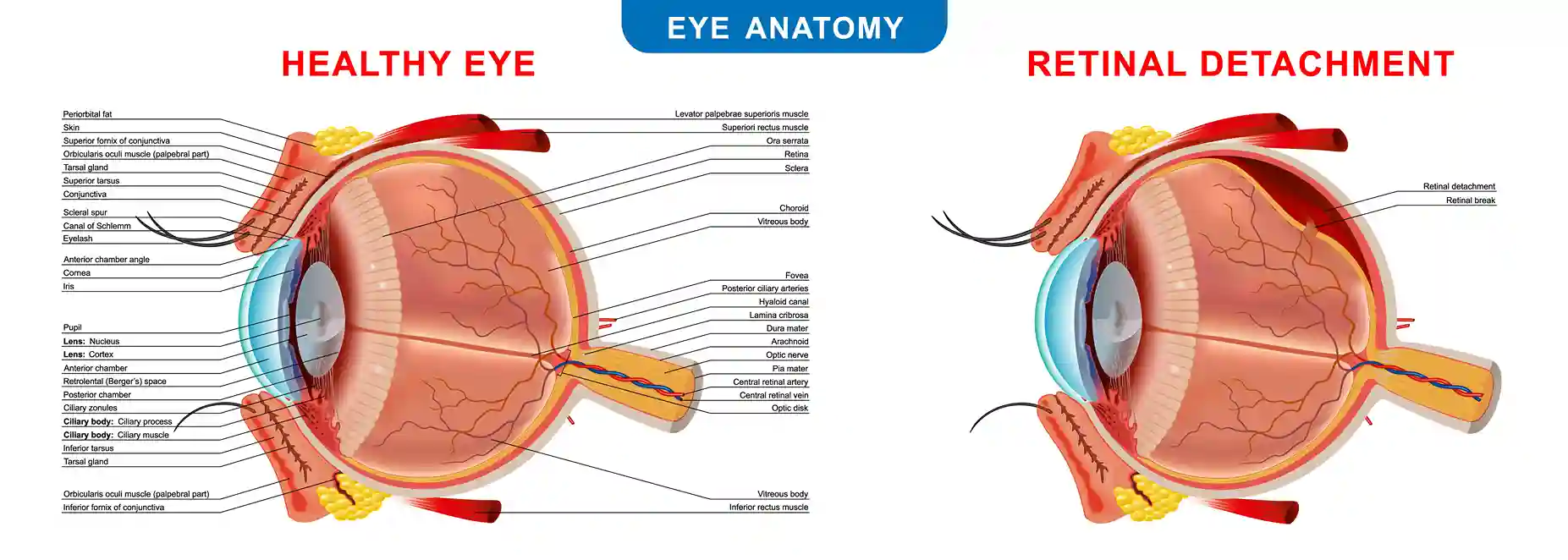
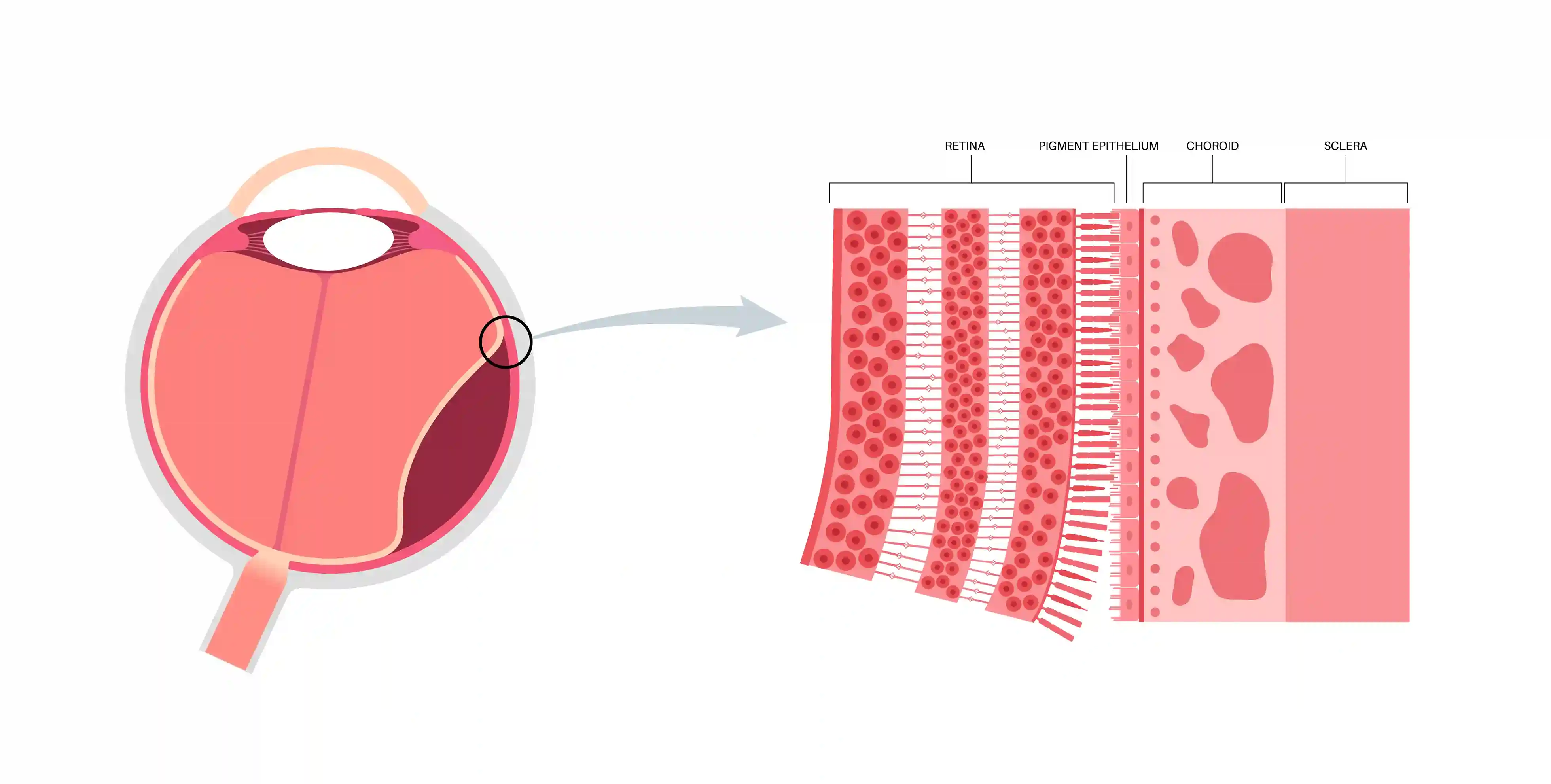
Retinal detachment is a medical emergency that occurs when the retina separates from the back of the eye.
Patients experiencing retinal detachment may:
- See dark spots in vision suddenly
- Notice a curtain-like shadow
- Experience sudden vision changes
- Develop peripheral vision loss
Immediate treatment is critical to preserving vision.
4. Macular Degeneration
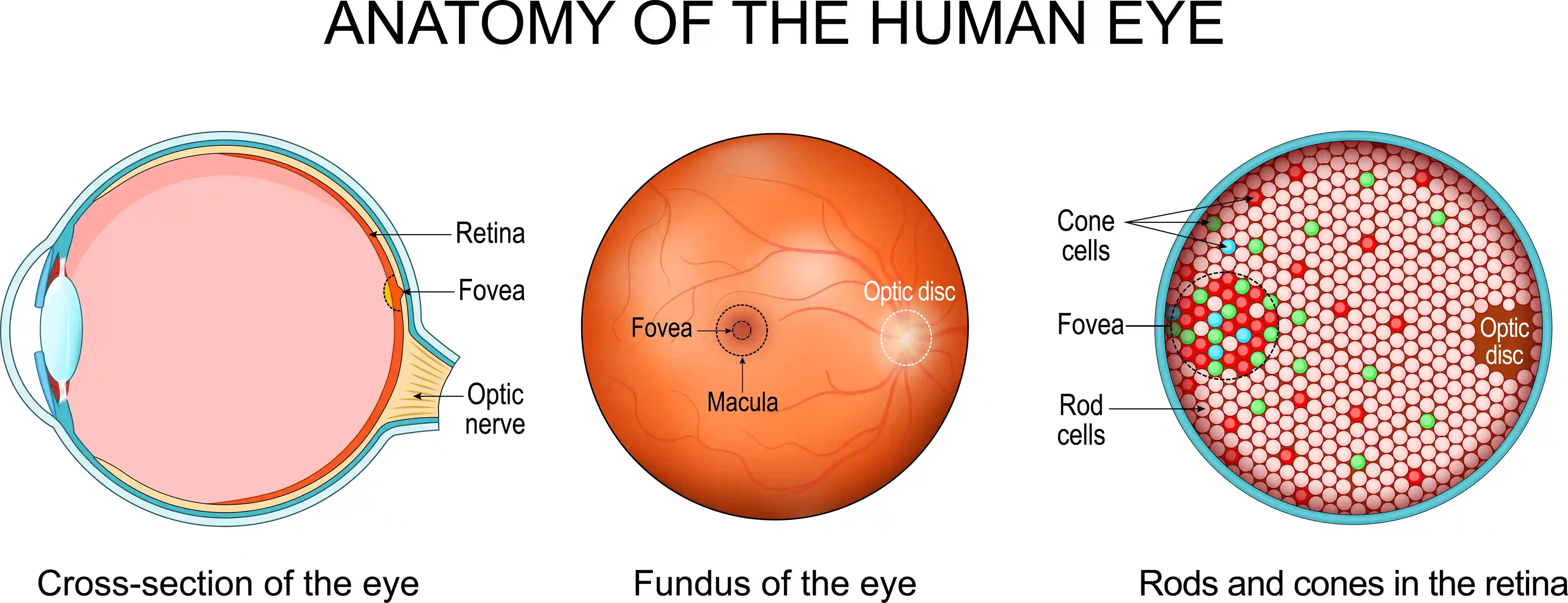
The macula is responsible for detailed central vision. Conditions affecting the macula may cause blind spots in vision or distorted central sight.
Patients with macular degeneration sometimes describe:
- Dark central spots
- Difficulty reading
- Distorted lines
- Reduced sharpness of vision
These symptoms often develop gradually and may worsen over time without treatment.
5. Diabetic Retinopathy
Diabetes can damage the small blood vessels within the retina, leading to leakage, bleeding, and swelling.
As diabetic retinopathy progresses, patients may see dark spots in vision caused by bleeding inside the eye or retinal swelling.
Early retinal monitoring is important for individuals with diabetes, even when symptoms are mild.
6. Retinal Vascular Disease
Conditions affecting retinal circulation can also interfere with vision.
Blocked or leaking retinal blood vessels may reduce oxygen delivery to retinal tissue, leading to blurry areas, shadows, or dark spots in the eyes.
Retinal vascular disease often requires ongoing monitoring and treatment to reduce the risk of permanent visual damage.
7. Ocular Migraines
Some patients experience temporary visual symptoms related to migraines.
These episodes may cause:
- Flickering lights
- Temporary blind spots in vision
- Shimmering visual patterns
Although symptoms often resolve within a short time, recurring or unusual episodes should still be evaluated.
8. Macular Hole or Epiretinal Membrane
Structural abnormalities affecting the macula can distort central vision.
Patients may see dark spots in vision along with:
- Wavy lines
- Distorted images
- Blurred central sight
Conditions such as macular hole and epiretinal membrane may gradually worsen if left untreated.
Symptoms That Should Never Be Ignored
While some visual disturbances are less serious, certain symptoms require immediate evaluation.
Warning signs include:
- Sudden appearance of dark spots
- Flashes of light
- Sudden vision changes
- Loss of peripheral vision
- Increasing floaters
- Distorted central vision
When these symptoms occur together, prompt retinal assessment is strongly recommended.
How Are Dark Spots Evaluated?
A detailed retinal examination helps determine why patients see dark spots in vision.
A retina specialist may perform:
- Dilated retinal examination
- Optical coherence tomography (OCT)
- Retinal imaging
- Evaluation of vitreous and retinal health
These tests help identify retinal disease, vascular abnormalities, or structural retinal conditions.
Treatment Options
Treatment depends on the underlying cause of symptoms.
Management may include:
- Observation for mild vitreous floaters
- Anti-VEGF injections for retinal vascular disease
- Surgical repair for retinal detachment
- Monitoring for macular conditions
Early diagnosis improves the likelihood of preserving vision.
Why Regular Retinal Exams Matter
Some retinal diseases develop gradually before noticeable symptoms occur.
Routine retinal examinations allow specialists to detect abnormalities early, particularly in patients with diabetes, hypertension, or a history of retinal disease.
Regular monitoring can help identify causes when patients first begin to see dark spots in vision and reduce the risk of long-term complications.
The Bottom Line
Many conditions can cause patients to see dark spots in vision, ranging from harmless vitreous changes to serious retinal disorders.
Because symptoms may indicate retinal tears, retinal detachment, macular disease, or vascular problems, sudden or persistent visual changes should never be ignored.
Understanding why you may see dark spots in your vision can help you seek timely care and protect long-term retinal health.
Expert Retina Care Matters
At phretina, patients receive specialized evaluation and management for a wide range of retinal conditions with a focus on preserving long-term vision health. Early diagnosis and timely care play an important role in protecting long-term vision health.
If you notice new dark spots, flashes, or sudden changes in vision, immediate examination can help protect your sight.
Frequently Asked Questions
-
Why do I see dark spots in my vision suddenly?
Sudden dark spots may result from vitreous changes, retinal tears, retinal bleeding, or retinal detachment and should be evaluated promptly. -
Are dark spots in the eyes always serious?
Not always. Some dark spots in the eyes are related to harmless floaters, but sudden or worsening symptoms may indicate retinal disease. -
Can blind spots in vision improve with treatment?
In some cases, yes. Early diagnosis and appropriate treatment may help stabilize or improve vision depending on the underlying condition. -
When should I see a retina specialist for dark spots?
You should see a retina specialist if dark spots appear suddenly, increase rapidly, or occur with flashes, distorted vision, or peripheral vision loss.