
Retinal injections are treatments used to deliver medication directly into the eye to manage certain conditions affecting the retina. Also called intravitreal injections, these treatments place medicine into the vitreous, the clear, gel-like substance inside the eye.
The retina is the light-sensitive tissue at the back of the eye that sends visual signals to the brain.
When a retinal condition causes swelling, abnormal blood vessel growth, or fluid leakage, vision can become blurred or distorted.

Why Are Intravitreal Injections Used?
Intravitreal injections for retinal diseases are commonly used when medication needs to act inside the eye.
The type of medicine and recommended treatment schedule depend on the diagnosis, the severity of the condition, and how the eye responds to treatment.
Conditions that may be treated with retinal injections include:
- Diabetic retinopathy and diabetic macular edema: Diabetes can damage retinal blood vessels, sometimes causing fluid to collect in the macula, the part of the retina responsible for detailed central vision. Injections may help reduce swelling and limit vision loss.
- Wet age-related macular degeneration (AMD): Abnormal blood vessels can grow beneath the retina and leak fluid or blood. Treatment can help control this abnormal vessel activity.
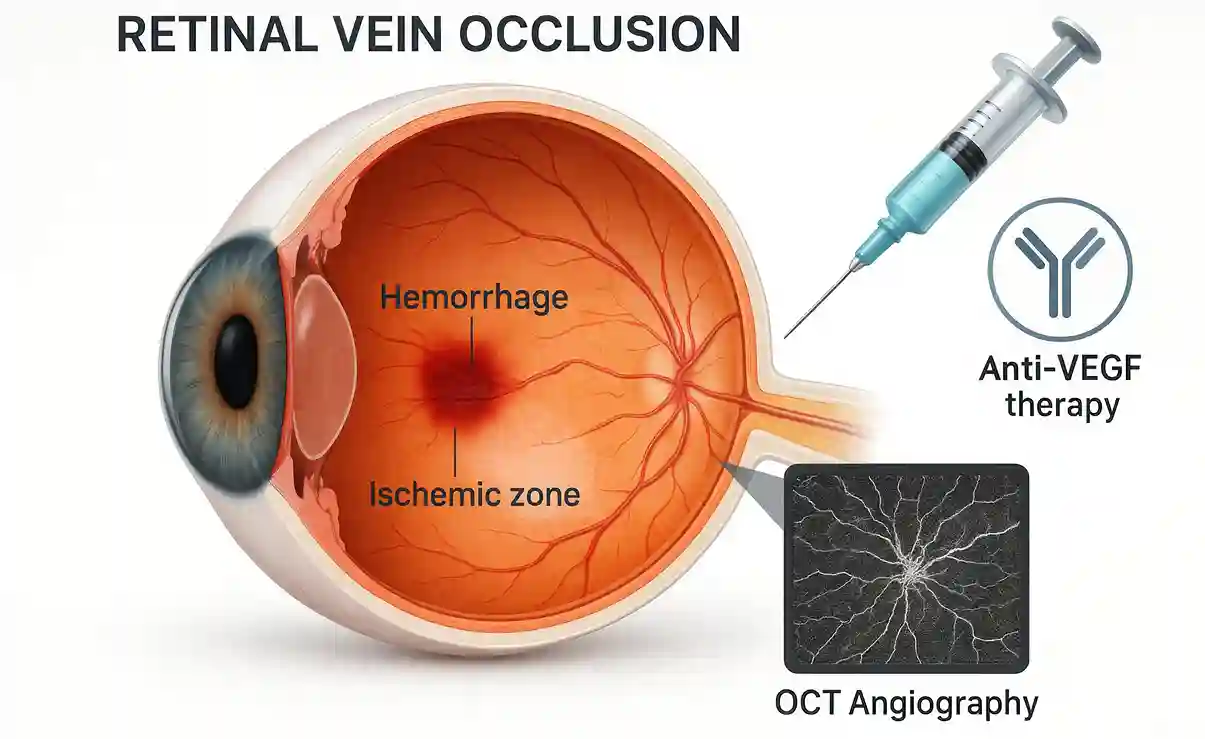
- Retinal vein occlusion: A blocked retinal vein can lead to fluid buildup and swelling in the macula. Injections may help reduce this swelling and support vision.
- Other retinal conditions: Certain cases of inflammation or other retinal disorders may also require medication delivered directly into the eye.
Learn more about anti-VEGF injections for retinal disease and how they may help manage specific retinal conditions.
How Do Eye Injections Work?
The medication used for retinal injections depends on the condition being treated. Two common categories are anti-VEGF medicines and corticosteroids.
Anti-VEGF medications block the effects of vascular endothelial growth factor, a protein that can encourage abnormal blood vessel growth and leakage. These medicines are often used for wet AMD, diabetic macular edema, and swelling caused by retinal vein occlusion.
Corticosteroid treatments help reduce inflammation and may be recommended for selected retinal conditions. Our retina specialist will determine whether this type of medication is appropriate for your needs.
The medicine is delivered directly into the vitreous cavity, allowing it to work inside the eye. This targeted approach can help control the disease process and reduce damage to the retina.
However, treatment does not guarantee restored vision, and some conditions require ongoing injections to maintain their benefits.
What Happens During the Intravitreal Injection Procedure?
The idea of an injection into the eye can sound uncomfortable. However, the intravitreal injection procedure is generally brief, and numbing medication is used to help minimize discomfort.
Here is what usually happens:
- Preparation: The eye and surrounding area are cleaned to reduce the risk of infection. Numbing drops or another anesthetic may be used.
- Positioning: You will be asked to look in a particular direction while the specialist prepares the eye. A small device may be used to keep the eyelids open.
- Medication delivery: The specialist places a very small needle through the white part of the eye to deliver the medication into the vitreous. The injection itself typically takes only a few seconds.
- After the injection: The specialist checks the eye as needed and provides instructions for recovery. Most patients can leave shortly afterward.
You may feel pressure, mild discomfort, or a brief sensation during the procedure. Many patients find that the anticipation is more uncomfortable than the injection itself.
What to Expect After an Injection in the Eye
Knowing what to expect after an injection in the eye can make recovery less stressful.
Some temporary effects are common, including:
- Mild irritation or a scratchy sensation
- Slight redness, including a small red spot on the white of the eye
- Temporary blurred vision or floaters
- Mild discomfort that gradually improves
These effects often settle within a short period. Follow your specialist's instructions about eye care and any prescribed medication, and avoid rubbing your eye.
If you are unsure whether a symptom is expected, contact your eye care team rather than waiting for it to improve.
How Often Are Retinal Injections Needed?
The frequency of retinal injections varies from person to person. Some patients initially need injections at regular intervals, while others may eventually receive them less often as their condition becomes more stable.
Your specialist will monitor your vision and examine the retina, often using retinal imaging such as optical coherence tomography (OCT), to assess fluid and other changes. The results help determine whether another injection is needed and when it should be scheduled.
Maintaining follow-ups is key. Even if vision is stable, the retinal disorder may need monitoring or treatment.
Do not change or stop your injection schedule without discussing it with your specialist.
Are Retinal Injections Safe?
Intravitreal injections are widely used in retinal care and are generally well tolerated when performed using appropriate sterile techniques. However, as with any medical procedure, risks exist.
Possible complications include infection, inflammation, bleeding, increased eye pressure, retinal tears, or retinal detachment. Serious complications are uncommon, but prompt assessment is essential if warning symptoms develop after treatment.
Our retina specialist can explain the expected benefits, potential risks, and available alternatives based on your diagnosis and medical history.

When Should You See a Retina Specialist?
Changes such as blurred central vision, distorted lines, new floaters, or sudden vision loss should not be ignored. Some retinal conditions progress without obvious symptoms in their early stages, while others can cause rapid changes that need urgent evaluation.
If you have diabetes, a history of retinal vascular disease, or a diagnosed retinal condition, regular eye examinations can help identify changes that may require treatment.
A specialist can determine whether retinal injections are appropriate or whether another approach is needed.
At phRETINA, retinal care is tailored to the patient's condition, with treatment recommendations based on examination findings and the needs of their vision.
Why Choose Dr. Paul Hahn at phRETINA?
Dr. Paul Hahn, MD, PhD, FASRS, is a board-certified, fellowship-trained retina specialist with extensive experience in retinal and macular care.
He has led more than 30 clinical trials and has over 100 publications in retinal disease treatment.
At phRETINA in Nanuet, NY, Dr. Hahn combines retinal imaging with evidence-based treatment and personalized care.
The practice serves patients throughout Rockland County, Bergen County, NJ, and nearby communities in Westchester County, NY.
Conclusion
Injections into the retina have the potential to play a significant part in the management of disorders that pose a risk to central vision.
It is helpful to be an active participant in your eye care by knowing the methods, following the treatment plan your eye doctor prescribes, and being aware of warning signs to watch for.
FAQs
- Are retinal injections painful?
Numbing medication is used to reduce discomfort. Injection itself usually takes only a few seconds. You may notice pressure or a brief sensation during the injection, followed by mild irritation in some cases. - Can intravitreal injections improve vision?
They may improve vision when retinal swelling or fluid responds to treatment. In other cases, the main goal is to stabilize vision and prevent further damage. Results depend on the condition and the extent of retinal damage. - Can I return to normal activities after an eye
injection?
Many patients resume routine activities soon afterward, but temporary blurring or irritation may occur. Follow your specialist's advice about driving and other activities, and arrange transportation if your vision is not clear enough to drive safely. - What should I do if my eye hurts after an injection?
Mild irritation can occur, but increasing pain, worsening redness, light sensitivity, or reduced vision requires urgent medical attention. Contact a retina specialist immediately if these symptoms develop.