
Anti-VEGF Injections for Retinal Disease
- Home
- General

Anti-VEGF Injections for Retinal Disease
Anti-VEGF injections have transformed the treatment of many retinal conditions that once caused progressive vision loss. These medications help control abnormal blood vessel growth, reduce retinal swelling, and preserve vision in patients with a variety of retinal diseases.
At phretina, our retina specialists use advanced imaging and personalized treatment plans to determine when anti-VEGF injections may be appropriate and to monitor treatment response over time.

What Are Anti-VEGF Injections?
Anti-VEGF injections are medications administered directly into the eye to block vascular endothelial growth factor (VEGF), a protein that contributes to abnormal blood vessel growth and leakage within the retina.
When VEGF levels become elevated, fluid can accumulate within the retina, leading to swelling and vision impairment. Anti vegf treatment works by reducing these effects and helping stabilize retinal health.
These medications are delivered through an anti-vegf eye injection, allowing treatment to reach the retina directly.



How Anti-VEGF Treatment Works
VEGF plays an important role in the development of several retinal diseases.
Effects of Excess VEGF
When VEGF levels increase, patients may develop:
- Abnormal blood vessel growth
- Retinal swelling
- Fluid leakage
- Bleeding within the eye
- Progressive vision loss
How Anti-VEGF Medications Help
Anti vegf medications work by:
- Blocking VEGF activity
- Reducing retinal swelling
- Decreasing fluid accumulation
- Stabilizing vision
- Slowing disease progression
For many patients, anti-VEGF injections are a key component of long-term retinal disease treatment.
Conditions Treated With Anti-VEGF Injections
Anti-VEGF injections help control abnormal blood vessel growth beneath the macula and reduce fluid leakage.
Wet Age-Related Macular Degeneration (AMD)
Anti-VEGF injections help control abnormal blood vessel growth beneath the macula and reduce fluid leakage.
Diabetic Retinopathy
Patients with diabetic retinal disease may benefit from anti vegf treatment to reduce retinal damage and preserve vision.
Diabetic Macular Edema
Retinal swelling associated with diabetes often responds well to retinal injection therapy.
Retinal Vein Occlusion
Anti-VEGF medications may reduce macular swelling caused by blocked retinal veins.
Other Retinal Disorders
Certain additional retinal conditions involving abnormal blood vessel growth or retinal swelling may also be treated with anti-VEGF therapy.
At phretina, treatment recommendations are based on the specific retinal diagnosis and each patient's individual needs.

What Is an Intravitreal Injection?
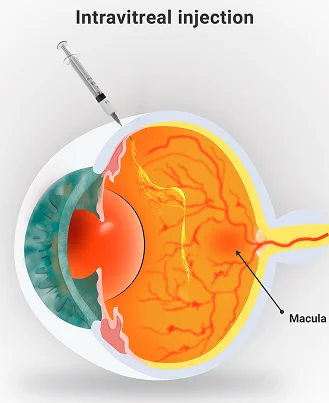
An intravitreal injection is the method used to deliver medication directly into the eye. Because retinal diseases affect structures located deep within the eye, direct medication delivery provides the most effective treatment approach.
Benefits include:
- Direct delivery to retinal tissue
- Higher treatment effectiveness
- Reduced systemic exposure
- Precise medication administration
Intravitreal injection therapy has become a standard treatment option for many retinal diseases.
What to Expect During an Anti-VEGF Eye Injection
Many patients feel anxious before receiving eye injections. Understanding the process often helps reduce concerns.
Before Treatment
Patients undergo:
- Retinal examination
- OCT imaging
- Vision assessment
- Review of treatment goals
During Treatment
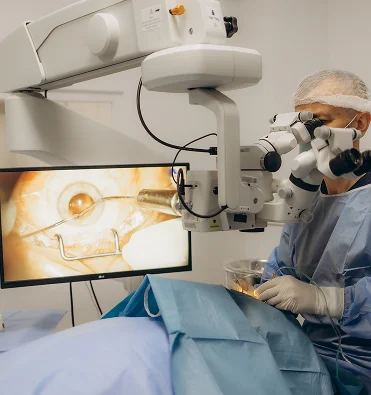
The eye is carefully numbed before the procedure. The anti-vegf eye injection is performed in a sterile setting and typically takes only a few moments. Most patients experience minimal discomfort.
After Treatment
Patients may notice:
- Mild irritation
- Temporary redness
- Slight sensitivity
- Small floaters
These symptoms are generally temporary and improve quickly.
At phretina, our team provides detailed post-treatment instructions and ongoing support throughout the treatment process.
How Often Are Anti-VEGF Injections Needed?
Treatment frequency depends on the underlying retinal condition and individual response.
Initial Treatment Phase
Many patients receive injections at regular intervals during the first several months of treatment.
Long-Term Management
Treatment schedules may be adjusted based on:
- OCT imaging findings
- Visual improvement
- Disease activity
- Overall retinal health
Some patients require ongoing retinal injection therapy, while others may be able to extend treatment intervals over time.




Benefits of Anti-VEGF Injections
Anti-VEGF therapy has significantly improved outcomes for many retinal diseases.
Potential Benefits
- Reduced retinal swelling
- Improved vision in some patients
- Stabilization of visual function
- Prevention of further vision loss
- Long-term disease control
Early intervention often provides the greatest opportunity to preserve vision.
How phRETINA Monitors Treatment Response
Successful retinal disease treatment requires more than administering medication. At phRETINA, our retina specialists monitor patients using advanced diagnostic technology and personalized follow-up schedules.
Ongoing Monitoring May Include
- Optical Coherence Tomography (OCT)
- Retinal imaging
- Visual acuity testing
- Assessment of disease activity
- Treatment plan adjustments
This individualized approach helps ensure that treatment remains aligned with each patient's condition and goals.



Why Early Treatment Matters
Many retinal diseases can progress silently before symptoms become severe.
Benefits of early treatment include:
- Benefits of early treatment include:
- Reduced retinal damage
- Earlier disease control
- Improved long-term outcomes
- Lower risk of complications
Prompt evaluation allows treatment to begin before significant vision loss occurs.
When to Schedule an Evaluation
You should consider a retinal evaluation if you experience:
- Blurred or distorted vision
- Difficulty reading
- Dark spots in vision
- Helps prevent diabetes-related blindness
- Diagnosed retinal disease requiring monitoring
Early evaluation can help determine whether anti-VEGF injections or another retinal disease treatment may be appropriate.


Helpful Information for New and Returning Patients
Schedule a Retinal Evaluation
If you have been diagnosed with a retinal condition or are experiencing changes in your vision, a comprehensive retinal evaluation can help determine whether anti-VEGF injections may be beneficial. At phRETINA, our retina specialists provide advanced diagnostic imaging, individualized treatment planning, and expert retinal care to help preserve vision and manage retinal disease effectively.