
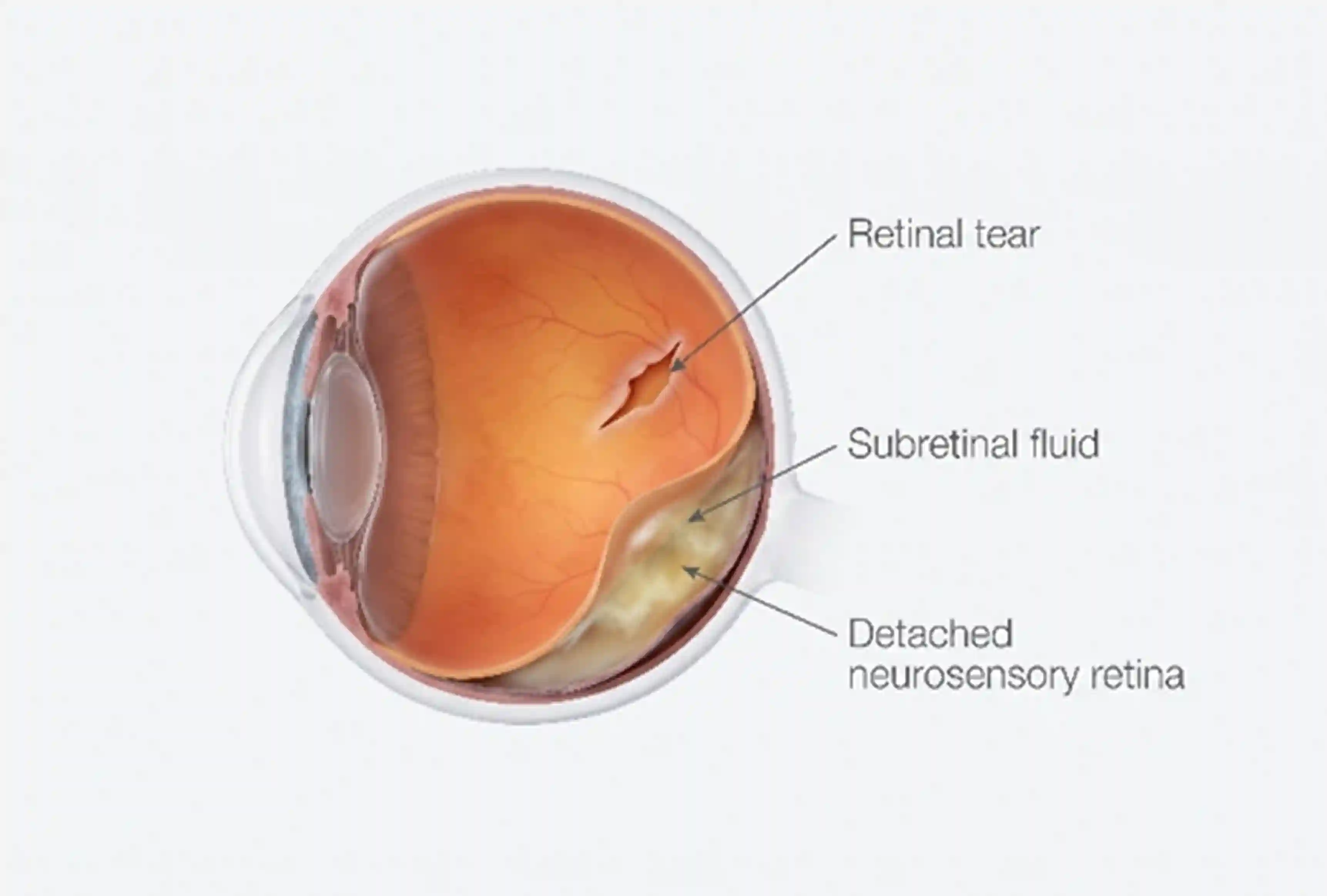
A retinal tear can be small, but it can create a serious problem if fluid gets underneath the retina. In some cases, treating the tear early can help prevent it from progressing to a retinal detachment.
Retinal cryotherapy is one treatment used for certain retinal tears and holes. It uses controlled freezing to create scar tissue around the affected area, helping secure the retina.
But when is cryotherapy used, and what should you expect from the procedure?

What is Retinal Cryotherapy?
Retinal cryotherapy is a treatment that uses controlled freezing to create a protective scar around a retinal tear or hole.
It is also called cryopexy or a cryoretinopexy procedure. The purpose is to strengthen the area around the retinal break so fluid is less likely to pass through it and collect underneath the retina.
Cryotherapy does not close the tear like stitching a wound. Instead, the controlled freezing triggers a healing response. Scar tissue develops around the treated area and helps hold the retina in place.
When is Cryotherapy for Retinal Tear Used?
Not every retinal tear needs treatment. When treatment is recommended, the choice between cryotherapy, laser, or another procedure depends on the location and characteristics of the tear.
Cryotherapy for retinal tear may be considered when:
- A retinal tear needs preventive treatment
- The tear is located in the peripheral retina
- The position of the tear makes laser treatment difficult
- The surrounding retina has areas that require additional treatment
A retina specialist will examine the entire retina before deciding whether treatment is necessary and which approach is appropriate.
If the retina has already detached, cryotherapy may be used alongside other procedures as part of retinal detachment repair. Cryotherapy alone, however, is generally intended to treat a retinal break before or without a significant detachment.
How Does Retinal Tear Cryotherapy Work?
The goal of retinal tear cryotherapy is to create a strong scar around the retinal break.
The treatment involves three basic steps:
- The tear is located. The retina specialist examines the retina carefully to identify the retinal break and determine its exact position.
- Controlled freezing is applied. A small cryotherapy probe is placed against the outside of the eye near the retinal tear.
- The area heals and forms a scar. The freezing creates a controlled healing response. As the area heals, scar tissue develops around the tear and helps secure the retina.
The principle is similar to laser retinopexy, but the way the scar is created is different.
What Happens During a Cryopexy Procedure?
A cryopexy procedure is usually performed as an outpatient treatment.
Numbing medication is used before treatment. The specialist then places a small probe against the outer surface of the eye over the area corresponding to the retinal tear.
Controlled freezing is applied to the area. You may notice some pressure or brief discomfort while the treatment is being performed.
The amount of treatment depends on the size and location of the retinal break. Your retina specialist will explain what to expect before the procedure.
Is Cryotherapy for Retinal Tears Painful?
Cryotherapy is generally well tolerated. Numbing medication is used during the procedure, although some patients may feel pressure or mild discomfort.
The eye may also feel sore or irritated for a short time afterward. Dr. Paul Hahn uses treatment approaches designed to make retinal procedures as comfortable as possible.
Cryotherapy vs. Laser Retinopexy
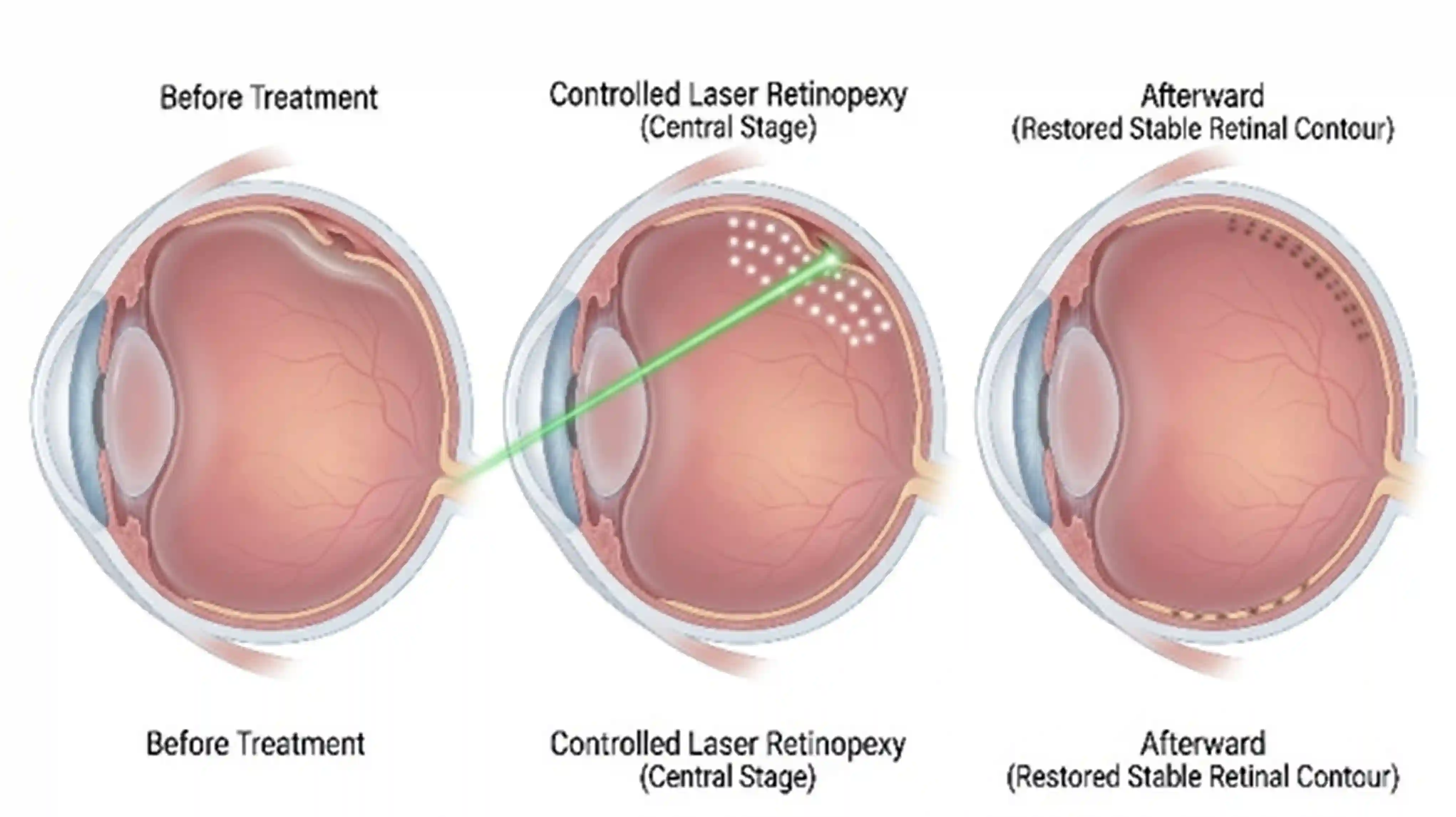
Both cryotherapy and laser retinopexy are used to create scar tissue around a retinal tear or hole. Their purpose is similar, but the treatment methods are different.
Laser retinopexy uses focused laser energy to treat the retina.
Cryotherapy uses controlled freezing delivered through the outer wall of the eye.
Laser is often used when the retinal tear can be reached clearly with the laser. Cryotherapy can be useful when the location of the tear makes laser treatment less practical.
Neither option is automatically right for every retinal tear. The decision depends on the individual retinal findings.
What Are the Side Effects of Cryotherapy Eye Surgery?
Most patients recover without major problems, but temporary side effects can occur after cryotherapy eye surgery.
These may include:
- Redness or irritation
- Mild soreness
- Temporary blurred vision
- Inflammation
- Swelling around the eye
- Temporary increase in floaters
More significant complications are possible but uncommon. Your retina specialist can discuss the risks that are most relevant to your particular treatment.
It is also important to remember that treating one retinal tear does not prevent a new tear from developing somewhere else in the retina.
What Is Recovery Like After Retinal Cryotherapy?
The treated area needs time to heal and develop the scar tissue that helps secure the retina.
The treated area needs time to heal and develop the scar tissue that helps secure the retina.
Follow-up appointments are important. They allow the retina specialist to check the treated area and look for any additional retinal breaks.
During recovery, seek prompt evaluation if you develop sudden vision loss, new flashes, a significant increase in floaters, or a dark curtain or shadow across your vision.
When Should You See a Retina Specialist?
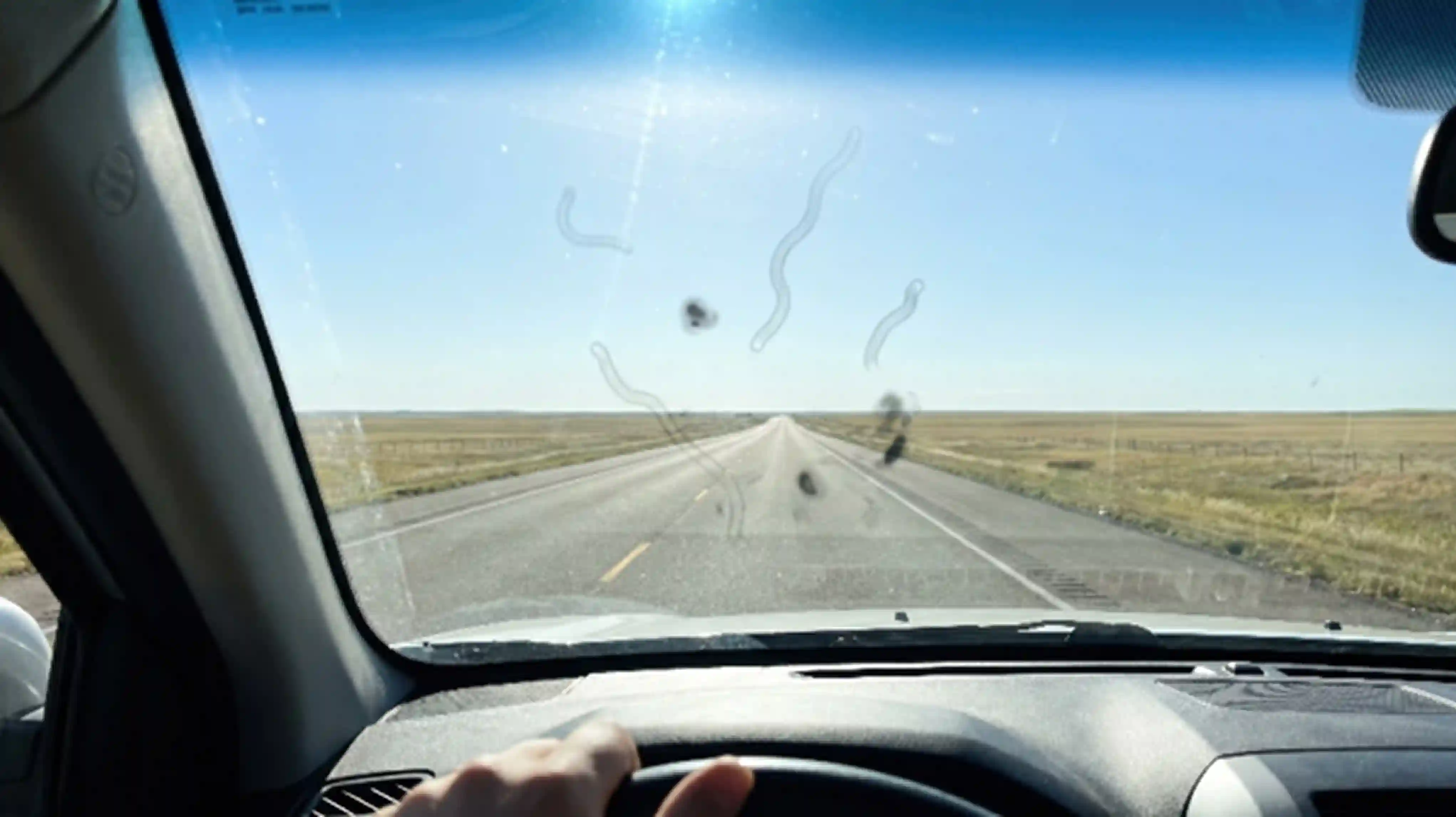
A retinal tear can sometimes be found during a routine dilated examination. In other cases, it causes noticeable changes in vision.
Watch for:
- New flashes of light
- A sudden increase in floaters
- A dark curtain or shadow across your vision
- Sudden loss of vision
- New changes in peripheral vision
These symptoms can occur with a retinal tear or retinal detachment. Prompt evaluation is important because treatment may be able to address a retinal break before a detachment develops.
Why Choose phRETINA and Dr. Paul Hahn?
Dr. Paul Hahn, MD, PhD, FASRS, is a board-certified, fellowship-trained retina specialist with extensive experience in retinal and macular care.
He has led more than 30 clinical trials and has over 100 publications in retinal disease treatment.
At phRETINA in Nanuet, NY, Dr. Hahn combines retinal imaging with evidence-based treatment and personalized care. The practice serves patients throughout Rockland County, Bergen County, NJ, and nearby communities in Westchester County, NY.
Conclusion
Retinal cryotherapy can be used to treat certain retinal tears and holes before they progress to a more serious retinal problem. By creating controlled scar tissue around the break, the treatment helps strengthen the area and reduce the chance of fluid passing underneath the retina.
Cryotherapy is not needed for every retinal tear. A careful retinal examination is needed to determine whether treatment is appropriate and which treatment method is best suited to the location of the break.
If you notice new flashes, a sudden increase in floaters, a curtain or shadow in your vision, or sudden vision loss, seek prompt retinal evaluation.
FAQs
- What is retinal cryotherapy?
Retinal cryotherapy uses controlled freezing to create scar tissue around certain retinal tears or holes, helping secure the retina and reduce the risk of retinal detachment. - What is a cryoretinopexy procedure?
A cryoretinopexy procedure is treatment of a retinal break using controlled freezing. The resulting scar helps secure the retina around the tear. - Is cryotherapy for retinal tear the same as laser retinopexy?
They have a similar purpose but use different methods. Laser retinopexy uses focused laser energy, while cryotherapy uses controlled freezing. - Does retinal cryotherapy hurt?
Numbing medication is used during treatment. Some patients may experience pressure or mild discomfort during the procedure and soreness afterward.