
Blurry vision after eye surgery can be concerning, especially when you expected your eyesight to improve during recovery. While some temporary blurriness is normal after certain procedures, persistent or worsening changes in vision may have another cause.
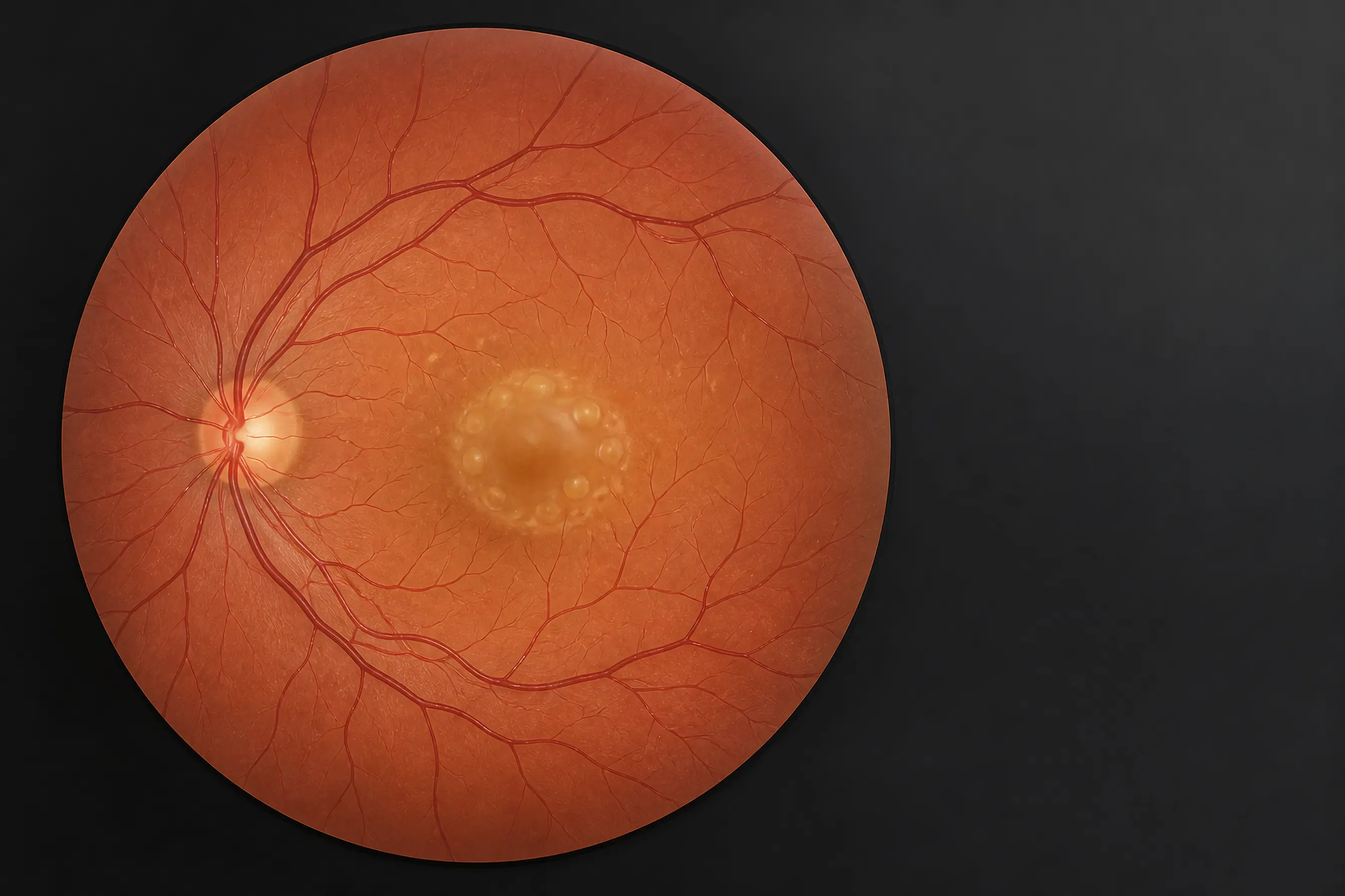
One possible reason is cystoid macular edema (CME), a condition in which fluid builds up in the macula, the central part of the retina responsible for detailed vision. This macula swelling can affect how clearly you see and may develop after cataract surgery or other eye procedures.
Understanding the symptoms, causes, and treatment of cystoid macular edema vision options can help you know when blurry vision needs further evaluation.
What Is Cystoid Macular Edema?
Cystoid macular edema occurs when small areas of fluid collect within the layers of the macula. The swelling can interfere with the retina's ability to process detailed visual information.
CMEV (cystoid macular edema) is commonly associated with inflammation following eye surgery, particularly cataract surgery. It can also occur with certain retinal conditions, eye inflammation, diabetes, or other causes.
Because the macula controls central vision, swelling in this area can result in blurred or distorted sight.
What Does Cystoid Macular Edema Vision Look Like?
The effects of cystoid macular edema vision can vary depending on the amount of swelling and how much the macula is affected.
You may notice:
- Blurry or hazy central vision
- Distorted or wavy vision
- Difficulty reading
- Trouble seeing fine details
- Colors appearing less vivid
- A central area of reduced clarity
Some people notice these changes gradually rather than experiencing an immediate drop in vision.
If your vision does not improve as expected during recovery, or becomes worse after initially improving, contact your eye doctor for an evaluation.

Why Does Cystoid Macular Edema Develop?
There are several possible cystoid macular edema causes. Surgery remains the one of them, but CME is not limited to postoperative cases.
Blurry Vision After Eye Surgery
Inflammation from eye surgery can cause retinal swelling and fluid leakage near the macula. This can blur central vision.
Blurry Vision After Cataract Surgery Recovery
After cataract surgery, CME can occur if vision doesn't improve as expected or becomes blurry after initial improvement. Not all postoperative blurriness is due to CME; dry eye, inflammation, corneal changes, and other issues can also affect vision. A retinal exam can identify the cause.
Other Causes of Macular Edema
The causes of macular edema can include:
- Diabetes
- Retinal vein occlusion
- Eye inflammation
- Retinal vascular conditions
- Certain medications
- Previous eye surgery
- Other retinal disorders
The underlying cause matters because treatment is usually directed at both the swelling and the condition responsible for it.
How Is Cystoid Macular Edema Diagnosed?
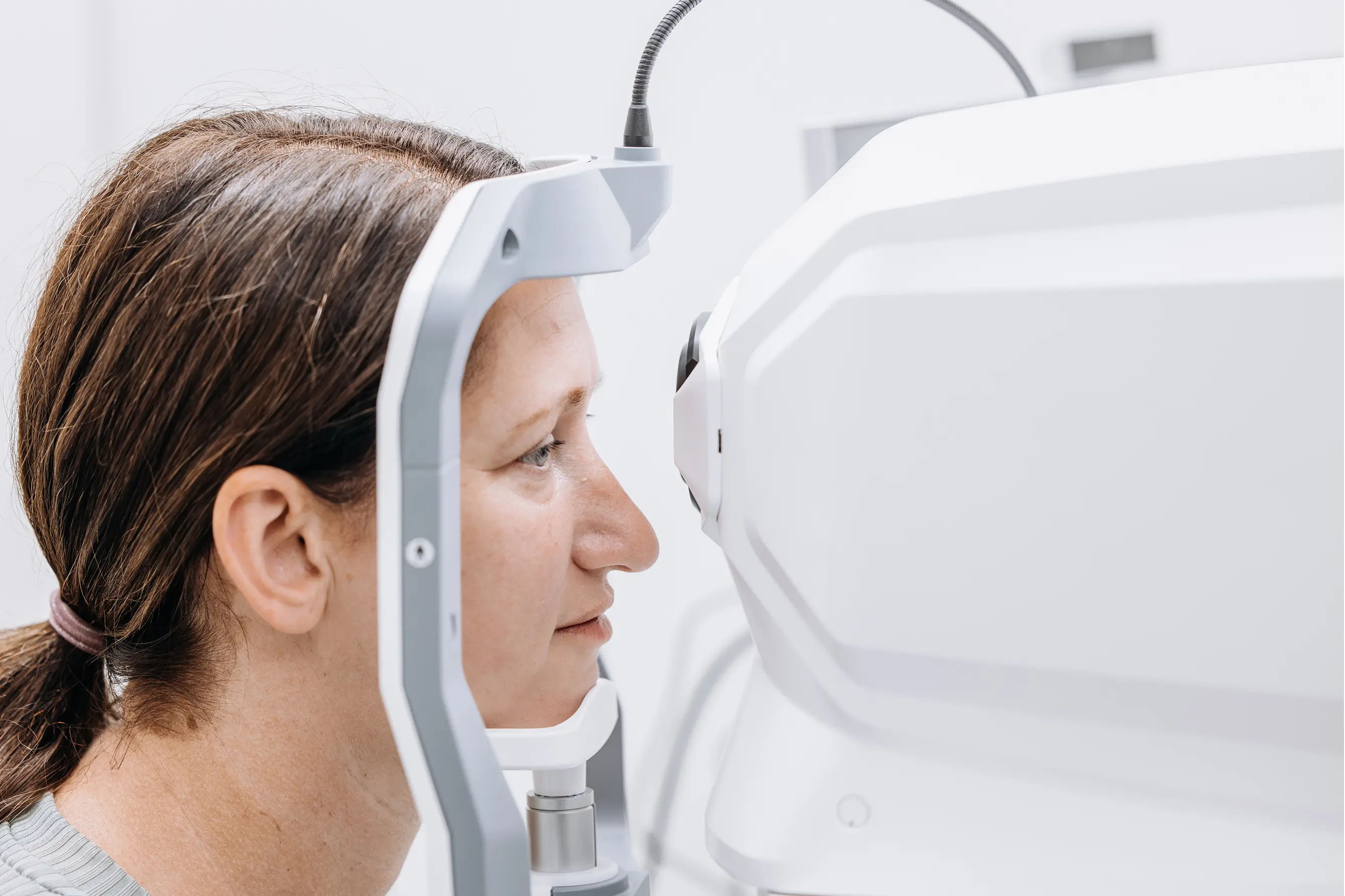
Your retina specialist may use several tests to determine whether macular swelling is affecting your vision.
Dilated Retinal Examination
Dilating the pupil allows the retina and macula to be examined closely for swelling and other abnormalities.
OCT Scan
Optical coherence tomography, or OCT, provides detailed cross-sectional images of the retina. It can reveal fluid accumulation and show how much the macula is affected. OCT is particularly useful for monitoring CME over time and evaluating how the retina responds to treatment.
Fluorescein Angiography
In some cases, fluorescein angiography may be used to identify leakage from retinal blood vessels and provide additional information about the cause of the swelling.
How Is Cystoid Macular Edema Treated?
The appropriate eye edema treatment depends on what caused the swelling, how severe it is, and how it is affecting your vision.
Anti-Inflammatory Treatment
When inflammation is contributing to CME, anti-inflammatory eye drops or other medications may be recommended. Your treatment plan will depend on the underlying cause and your individual retinal findings.
Cystoid Macular Edema Injections
In some cases, cystoid macular edema injections may be recommended. Depending on the cause, these may include corticosteroid or anti-VEGF medications. These treatments are designed to reduce retinal swelling and improve the environment within the macula. Some patients may need more than one treatment, followed by OCT monitoring.
Treating the Underlying Condition
If CME is associated with diabetes, retinal vein occlusion, inflammation, or another retinal condition, addressing that underlying problem is an important part of treatment. Your retina specialist will determine the most appropriate approach based on your diagnosis.
How Long Does Blurry Vision Last After Surgery?
Recovery varies depending on the type of surgery, the cause of the blurred vision, and whether complications have developed.
If blurry vision is caused by postoperative CME, improvement may occur as the swelling responds to treatment. Some patients improve relatively quickly, while others require continued treatment and monitoring.
There is no single recovery timeline that applies to everyone.
If your vision is not improving as expected, do not assume that prolonged blurriness is simply part of recovery. An examination can determine whether macular swelling or another issue is responsible.
When Should You See a Retina Specialist?
Contact your eye doctor if you experience persistent or worsening blurry vision after surgery, particularly if your vision initially improved and then became worse.
Seek prompt medical attention for:
- Sudden vision loss
- Significant worsening of vision
- New flashes or floaters
- A dark shadow or curtain across your vision
- New distortion or missing areas in your central vision
These symptoms can have causes other than CME and may require urgent retinal evaluation
Why Choose Dr. Paul Hahn?
Dr. Paul Hahn, MD, PhD, FASRS, is a board-certified retina specialist with extensive experience treating retinal diseases and conditions affecting the macula.
At phRETINA in Nanuet, NY, Dr. Hahn combines advanced retinal imaging with evidence-based treatment and personalized care. His approach focuses on helping patients understand their diagnosis and treatment options clearly.
Conclusion
Cystoid macular edema vision changes can be an unexpected part of recovery after eye surgery, particularly when swelling develops in the macula. Persistent blurry or distorted vision should not automatically be considered a normal part of recovery.
A comprehensive retinal evaluation can identify whether CME is present, determine its underlying cause, and guide appropriate treatment. With proper diagnosis and monitoring, your retina specialist can track the swelling and adjust treatment as needed.
Frequently Asked Questions
-
Is blurry vision normal after cataract surgery?
Some blurry vision can occur during normal recovery, but persistent, worsening, or recurrent blurriness should be evaluated. CME is one possible cause, but other postoperative conditions can also affect vision. -
What causes cystoid macular edema?
Cystoid macular edema causes can include eye surgery, inflammation, diabetes, retinal vein occlusion, and other retinal conditions. Your retina specialist can determine the most likely cause through an examination and retinal imaging. -
Can cystoid macular edema be treated?
Yes. Treatment depends on the underlying cause and may include anti-inflammatory medications, injections, or treatment directed at an associated retinal condition. -
How is cystoid macular edema diagnosed?
A dilated retinal examination and OCT imaging are commonly used to identify swelling in the macula. Additional testing, such as fluorescein angiography, may be recommended in some cases. -
Where can I get treatment for macular edema in New
York?
If you're looking for macular edema treatment in nanuet, NY, phRETINA - led by Dr. Paul Hahn can help evaluate the cause of your macular swelling and recommend an appropriate treatment plan.