What Is Retinal Vascular Disease? Understanding Retinal Vein Occlusion (CRVO & BRVO)
- Home
- General
What Is Retinal Vascular Disease?
Retinal vascular disease affects the blood vessels that supply the retina, potentially disrupting blood flow and threatening vision. One of the most common forms of retinal vascular disease is retinal vein occlusion, a condition that occurs when a vein responsible for draining blood from the retina becomes blocked.
If you're wondering, "What is retinal vascular disease?" it refers to a group of conditions that affect the retina's blood vessels, reducing healthy blood flow and potentially causing vision-threatening complications such as retinal vein occlusion. It can cause blurred vision, retinal swelling, and even sudden vision loss if left untreated. Early diagnosis and specialized retinal care are important for preserving vision and managing long-term retinal health.
What Is Retinal Vascular Disease?
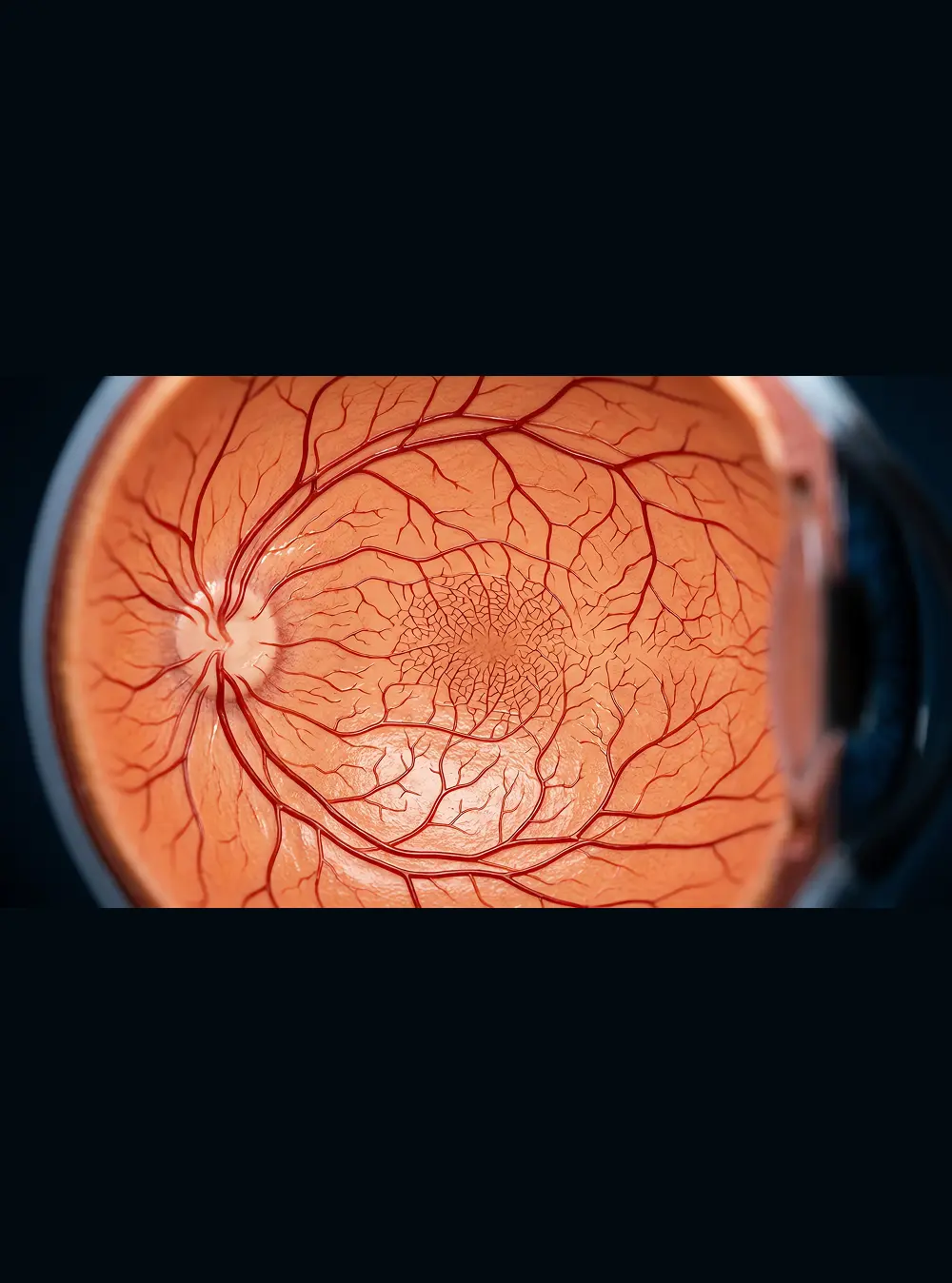
Retinal vascular disease refers to a group of conditions that affect the blood vessels within the retina. Because the retina relies on a healthy blood supply to function properly, any disruption to these vessels can interfere with vision.
A common type of retinal blood vessel disease is retinal vein occlusion. When a retinal vein becomes blocked, blood and fluid can accumulate within the retina, leading to swelling and vision changes. Depending on which vein is affected, retinal vein occlusion may involve either a major retinal vein or one of its smaller branches.
What Is Retinal Vein Occlusion?
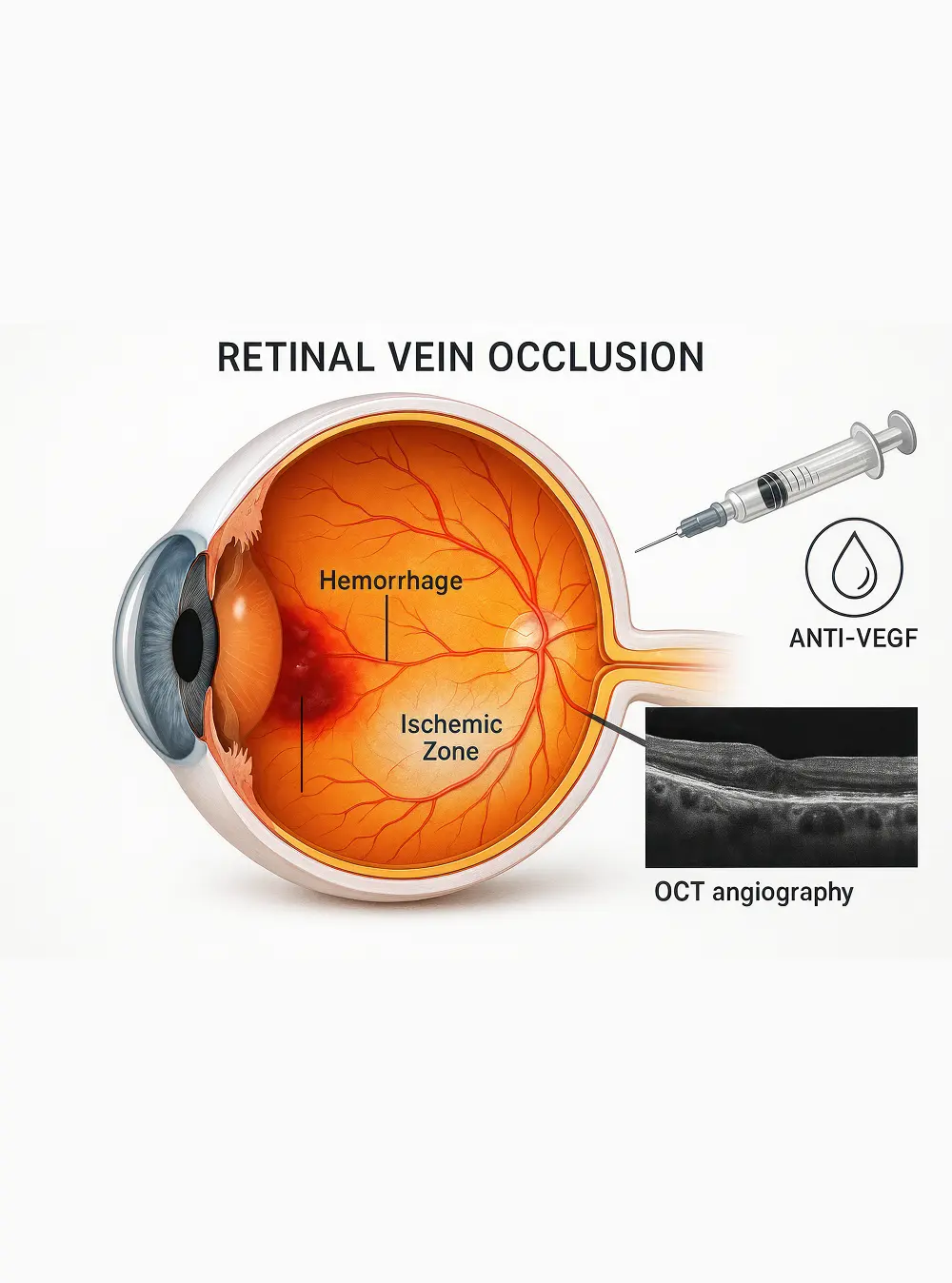
Retinal vein occlusion occurs when blood flow through a retinal vein becomes blocked. The blockage prevents blood from draining normally, increasing pressure within the retinal blood vessels. This may cause bleeding, swelling, and damage to retinal tissue. Retinal vein occlusion is generally classified into two main types:
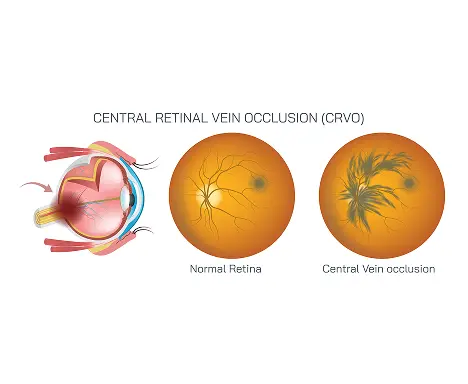
Central Retinal Vein Occlusion (CRVO)
CRVO occurs when the main retinal vein becomes blocked. Because the central vein drains blood from the entire retina, a blockage can affect a large portion of the retina and may result in significant vision loss. Symptoms often develop suddenly and can vary from mild blurring to severe vision impairment.
Branch Retinal Vein Occlusion (BRVO)
BRVO occurs when one of the smaller branch veins becomes blocked. Vision changes depend on the location of the blockage. Some patients experience only mild symptoms, while others develop noticeable blind spots or blurred vision affecting part of their visual field.
Retinal Vein Occlusion Causes
Several factors can increase the risk of developing retinal vein occlusion.
Common retinal vein occlusion causes include:
- High blood pressure
- Diabetes
- High cholesterol
- Glaucoma
- Smoking
- Cardiovascular disease
- Blood clotting disorders
These conditions may contribute to narrowing or damage within retinal blood vessels, increasing the likelihood of a blockage. Because retinal vein occlusion is often associated with underlying health conditions, patients may benefit from coordination between their eye care provider and primary care physician.
Retinal Vein Occlusion Symptoms
The symptoms of retinal vein occlusion can vary depending on the severity and location of the blockage.
Common retinal vein occlusion symptoms include:
- Blurred vision
- Distorted vision
- Dark spots in vision
- Reduced central vision
- Peripheral vision changes
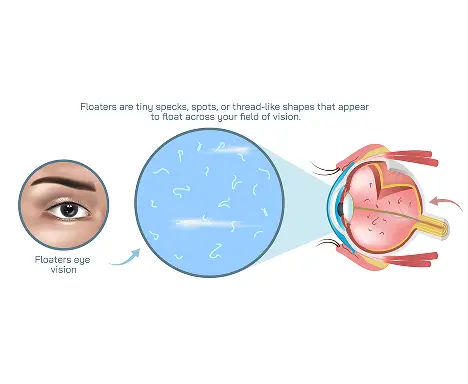
- Floaters
- Sudden vision loss
Some people notice symptoms immediately, while others experience a gradual decline in vision over days or weeks. Any sudden change in vision should be evaluated promptly by our retina specialist.
How Is Retinal Vascular Disease Diagnosed?
Diagnosing retinal vascular disease requires a detailed examination of the retina and its blood vessels.
At phRETINA, Dr. Paul Hahn uses advanced retinal imaging technology to evaluate retinal circulation and identify areas of swelling, bleeding, or vascular blockage.
Diagnostic testing may include:
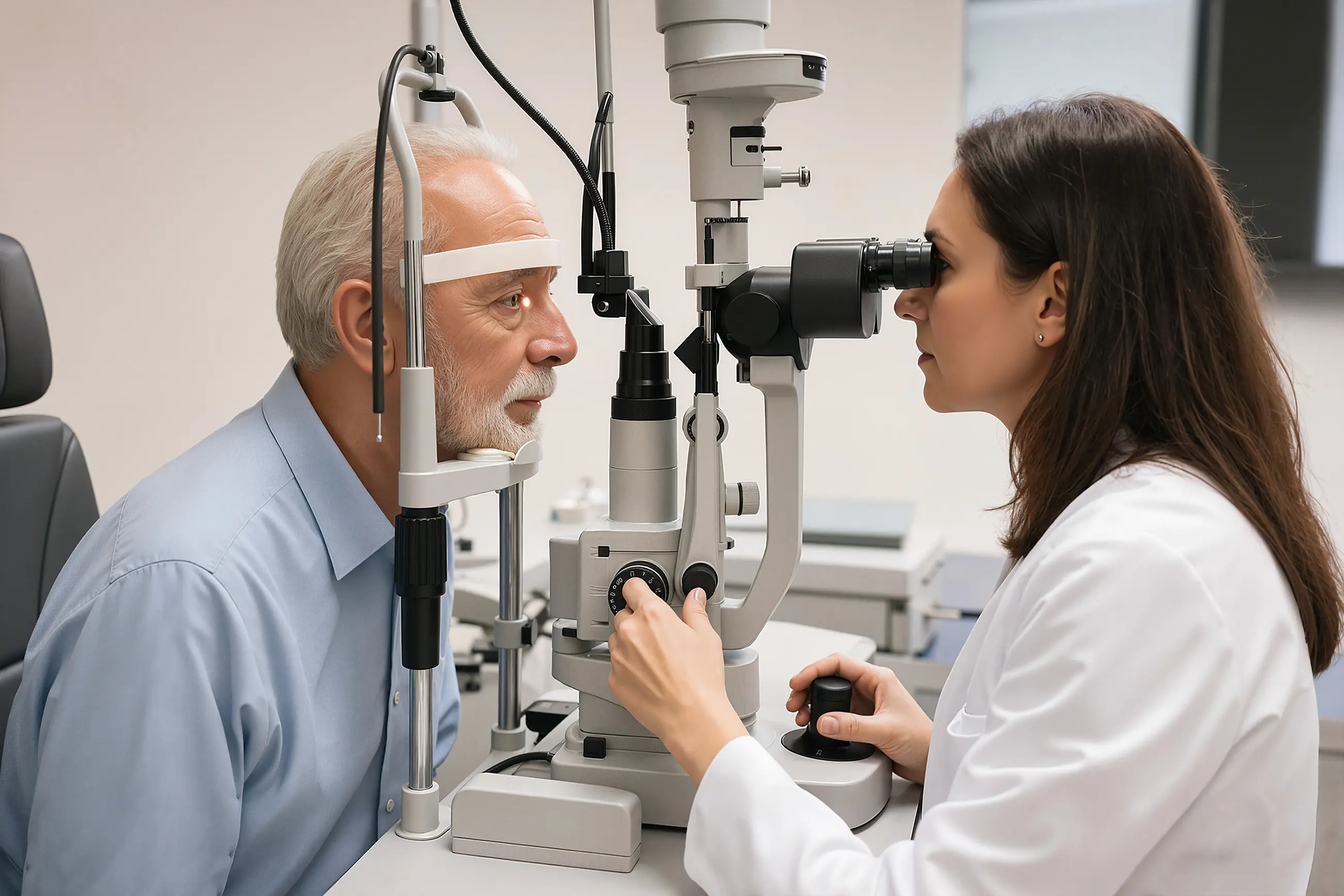
- Dilated retinal examination
- Optical Coherence Tomography (OCT)
- Retinal imaging
- Fundus photography
- Fluorescein angiography
These tests help determine the extent of retinal involvement and guide treatment decisions.
Treatment for Retinal Vein Occlusion
Treatment for retinal vein occlusion focuses on managing complications, preserving vision, and addressing the underlying cause of the blockage. The right treatment depends on the severity of the condition, the amount of retinal swelling, and your overall eye health. Your treatment plan may include:
Anti-VEGF Injections
Anti-VEGF medications are commonly used to reduce retinal swelling and treat macular edema caused by retinal vein occlusion. These injections help decrease fluid leakage and may improve or stabilize vision.
Managing Underlying Health Conditions
Because retinal vein occlusion is often associated with high blood pressure, diabetes, and cardiovascular disease, controlling these conditions plays an important role in long-term eye health and may help reduce the risk of future vascular events.
Corticosteroid Therapy
In some cases, corticosteroid injections or implants may be recommended to reduce inflammation and retinal swelling.
Laser Treatment
Laser therapy may be appropriate for certain patients, particularly when abnormal blood vessels develop or areas of the retina are not receiving enough blood flow.
Why Choose Dr. Paul Hahn for Retinal Vascular Disease Care?
Retinal vascular diseases require specialized evaluation and ongoing monitoring to help preserve vision. At phRETINA, Retina Specialist Dr. Paul Hahn combines advanced retinal imaging with years of clinical and surgical expertise to diagnose and manage retinal vein occlusion and other complex retinal conditions. Every treatment plan is tailored to the individual, with a focus on protecting vision while addressing each patient's unique needs.
Patients throughout Nanuet, NY, trust phRETINA for physician-led retinal care supported by advanced diagnostic technology and evidence-based treatment.
Helpful Information for New and Returning Patients
Conclusion
If you've been asking, "What is retinal vascular disease?" the answer begins with understanding how changes in the retina's blood vessels can affect your vision. Early diagnosis offers the best opportunity to manage retinal vein occlusion and protect your long-term eye health.
If you experience blurred vision or sudden vision loss, timely care is essential. At phRETINA, Retina Specialist Dr. Paul Hahn provides comprehensive diagnosis and personalized treatment for retinal vascular disease, helping patients throughout Nanuet, NY, receive the expert care they need.
Experiencing sudden vision changes?
Schedule a comprehensive retinal evaluation with Dr. Paul Hahn and the phRETINA team today.