
Vitrectomy Procedure
- Home
- General

Vitrectomy Procedure
A vitrectomy procedure is a specialized retinal surgery used to treat a wide range of conditions affecting the retina and vitreous. By removing the vitreous gel from inside the eye, retina specialists can safely access the retina to repair damage and preserve vision.
Patients often have questions about what vitrectomy is, why it is recommended, and what recovery involves. Understanding the procedure beforehand can help patients feel more informed and confident about their treatment journey.
At phRETINA, our retina specialists perform advanced vitreoretinal surgery using modern microsurgical techniques and personalized treatment plans designed to preserve vision and support long-term retinal health.
What Is Vitrectomy?
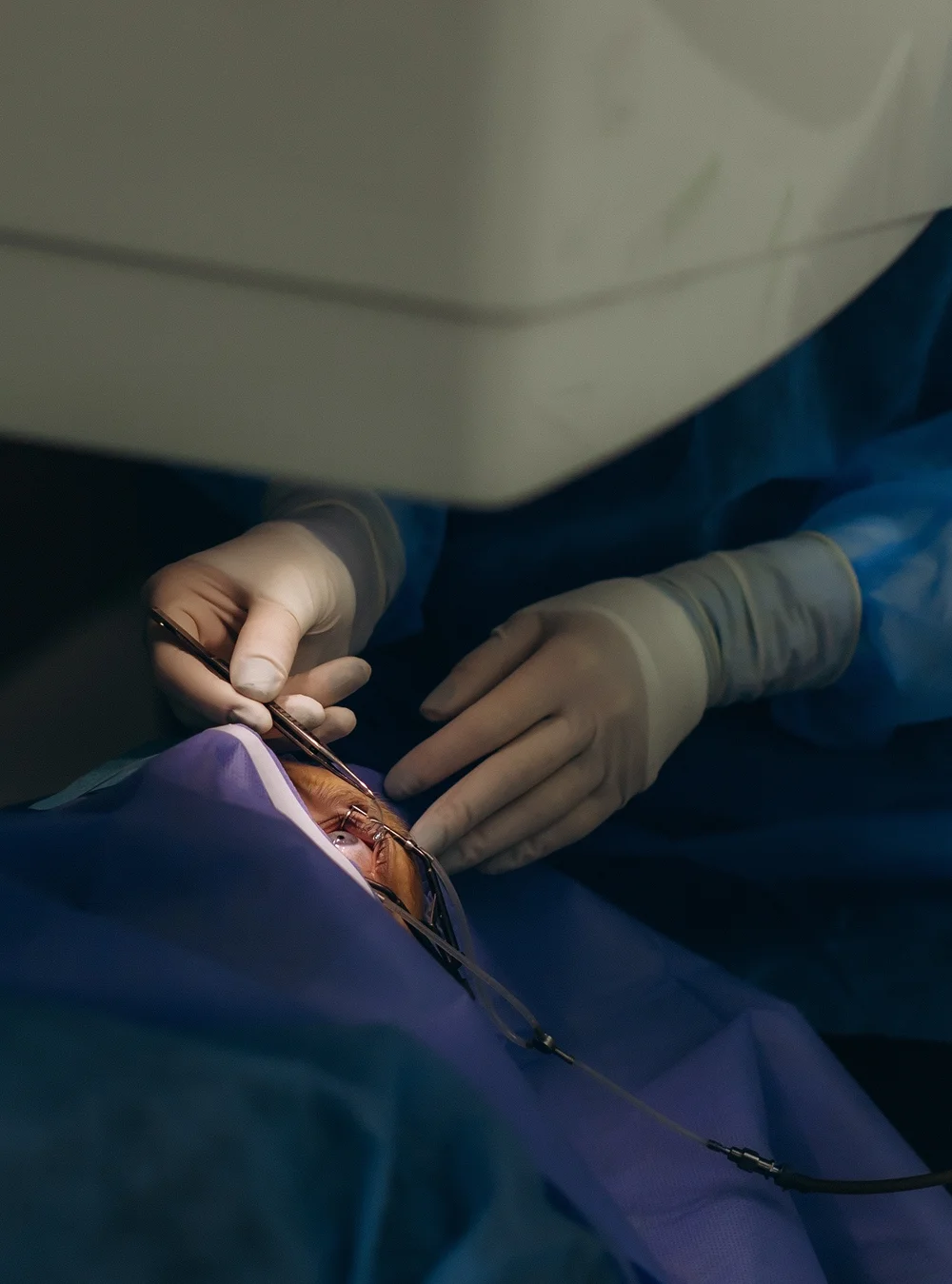
A vitrectomy is a surgical procedure that removes the vitreous gel from the center of the eye.
The vitreous is a clear, gel-like substance that fills the space between the lens and the retina. In certain retinal conditions, removing this gel allows the surgeon to repair retinal damage, remove scar tissue, treat bleeding, or gain access to the retina for specialized treatment.
When patients ask what vitrectomy is, the answer is that it is a highly specialized retinal procedure used to treat problems within the back portion of the eye that cannot be managed effectively with medications or office-based treatments alone.





What Is Vitrectomy Eye Surgery Used For?
Vitrectomy eye surgery is commonly performed to treat a wide range of retinal and vitreous disorders. The decision to perform surgery depends on detailed retinal examination, diagnostic imaging, and the underlying condition affecting vision.
Conditions That May Require Vitrectomy Surgery
- Retinal detachment
- Diabetic vitreous hemorrhage
- Diabetic retinopathy complications
- Macular hole
- Epiretinal membrane
- Retinal traction
- Vitreous opacities
- Eye trauma affecting the retina
At phRETINA, every recommendation for vitrectomy is based on careful retinal imaging, examination findings, and an individualized assessment of each patient's symptoms and visual needs.
How Is a Vitrectomy Performed?
Many patients want to understand how a vitrectomy is performed before deciding on surgery. The procedure is carried out using advanced microsurgical instruments that enter the eye through tiny openings, allowing the retina specialist to treat the underlying retinal condition with precision.
Steps of a Vitrectomy Procedure
- Comprehensive surgical planning using retinal imaging
- Careful removal of the vitreous gel
- Repair of retinal tears or retinal detachments when present
- Removal of scar tissue or blood inside the eye
- Peeling of membranes from the retinal surface when required
- Placement of a gas bubble or silicone oil to support retinal healing in selected cases
The exact surgical approach varies depending on the retinal condition being treated and the complexity of the repair.


Anesthesia for Vitrectomy
Many patients are concerned about anesthesia for vitrectomy and what they will experience during surgery. Your retina specialist will recommend the most appropriate option based on your health, the complexity of your procedure, and your comfort.
Local Anesthesia with Sedation
Most vitrectomy procedures are performed using local anesthesia combined with light sedation, allowing patients to remain comfortable while avoiding general anesthesia.
Regional Anesthesia
Regional anesthesia temporarily numbs the eye and surrounding tissues, providing excellent comfort throughout surgery.
General Anesthesia
In selected cases, general anesthesia may be recommended depending on the patient's medical condition or the complexity of the retinal surgery.
At phRETINA, anesthesia planning is discussed carefully before surgery to ensure patient comfort and safety.

How Long Does Vitrectomy Surgery Take?
A common question patients ask is how long vitrectomy surgery takes. The duration depends on the complexity of the retinal condition being treated.
Typical Surgical Duration
Many vitrectomy procedures take approximately one to several hours.
Factors that may influence surgical time include:
- Severity of retinal disease
- Presence of retinal detachment
- Scar tissue removal
- Complexity of repair
- Additional procedures performed during surgery
Your retina specialist will discuss the expected surgical timeline based on your individual condition.
What to Expect After Vitrectomy Surgery
Recovery following vitrectomy surgery varies depending on the underlying diagnosis and the specific procedure performed.
Common Early Recovery Symptoms
- Blurred vision
- Mild eye discomfort
- Temporary redness
- Light sensitivity
- Floaters or visual disturbances
These symptoms often improve as healing progresses.




Follow-Up Care & Recovery
Recovery typically includes regular postoperative examinations, retinal imaging, prescription eye drops, and activity restrictions when necessary.
Activity Restrictions May Include
- Avoiding heavy lifting
- Limiting strenuous activity
- Protecting the eye from injury
- Following positioning instructions when required
Patients with a gas bubble may receive additional instructions regarding travel and positioning. Specific recommendations depend on the type of vitrectomy performed and the retinal condition being treated.
Vitrectomy Risks
Like all surgical procedures, vitrectomy surgery carries potential risks. Although complications are uncommon, patients should understand both the expected benefits and possible risks before proceeding with surgery.
Possible Risks Include
- Infection
- Bleeding
- Cataract progression
- Increased eye pressure
- Retinal detachment
- Recurrent retinal problems
- Additional surgery requirements
At phRETINA, every treatment recommendation is based on a careful evaluation of the benefits and risks for each individual patient.




Benefits of Vitrectomy Surgery
For many patients, vitrectomy surgery can help preserve vision and successfully treat serious retinal conditions that cannot be managed through medication alone.
Potential Benefits
- Repair of retinal damage
- Removal of blood or scar tissue
- Improved retinal stability
- Reduced risk of further vision loss
- Better long-term visual outcomes
The expected benefits depend on the underlying retinal condition and how early treatment is performed. Your retina specialist will discuss realistic expectations based on your individual diagnosis.
Why Choose phRETINA for Vitrectomy Surgery?
Vitreoretinal surgery requires advanced training, specialized equipment, and extensive experience. At phRETINA, our team combines modern surgical technology with personalized care to achieve the best possible outcomes.
Our Approach Includes
- Advanced vitreoretinal surgical expertise
- Ultramodern retinal imaging and diagnostics
- Personalized treatment planning
- Comprehensive postoperative care
- Long-term retinal health monitoring
Every surgical recommendation is tailored to each patient's diagnosis, symptoms, visual goals, and overall eye health. Our goal is to preserve vision while providing compassionate, individualized care throughout your treatment journey.
Helpful Information for New and Returning Patients
Schedule a Retinal Evaluation
If you have been advised to undergo a vitrectomy procedure or would like a specialist evaluation of your retinal condition, our retina specialists can help determine the most appropriate treatment plan based on your diagnosis and vision needs.