
Scleral Buckle Surgery
- Home
- General
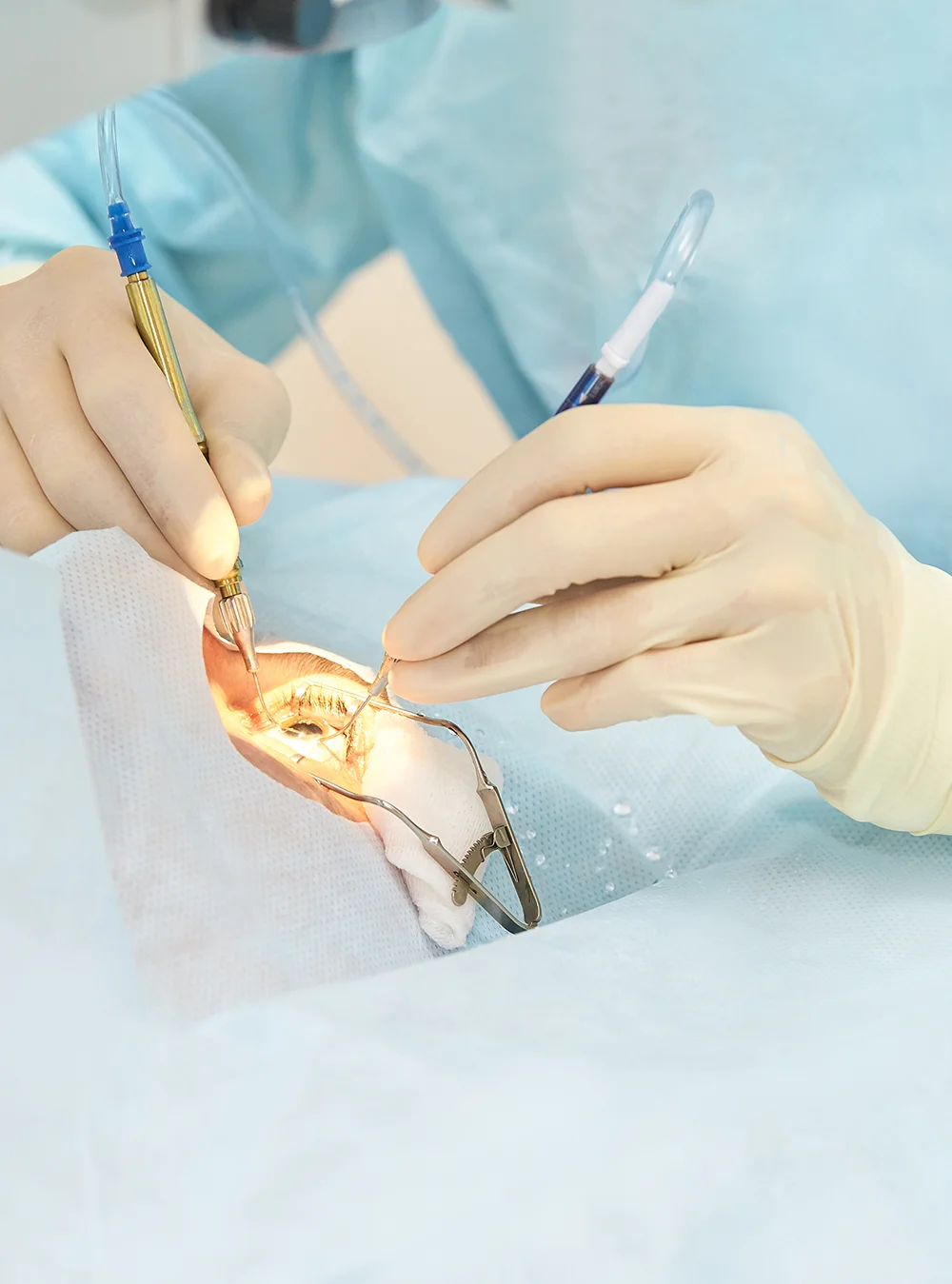
Scleral Buckle Surgery
Scleral buckle surgery is a time-tested procedure used to repair retinal detachments and help preserve vision. By supporting the outer wall of the eye and reducing traction on the retina, the procedure allows the retina to reattach and heal properly.
Retinal detachment is a serious condition that can lead to permanent vision loss if not treated promptly. When a retinal tear or retinal break causes the retina to separate from the back of the eye, surgery is often necessary to restore retinal anatomy and protect sight.
At phRETINA, our retina specialists evaluate each patient's condition using advanced diagnostic imaging and develop personalized treatment plans designed to achieve the best possible visual outcomes.

Understanding Retinal Detachment
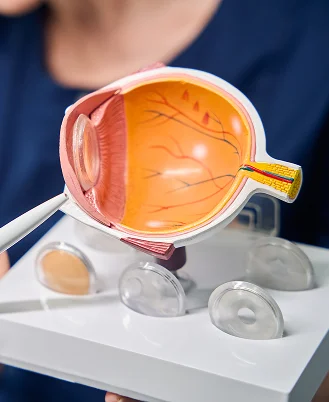
The retina is the light-sensitive tissue lining the back of the eye. It converts
light into signals that are sent to the brain, allowing us to see.
A retinal
detachment occurs when the retina separates from the underlying tissue that supplies
oxygen and nutrients.
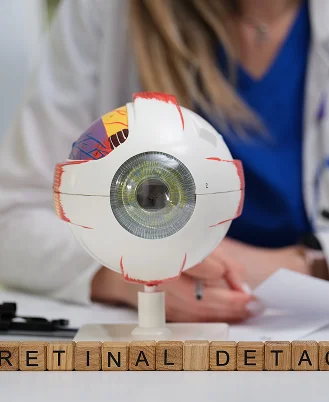
Many retinal detachments begin with a retinal break,
allowing fluid to collect beneath the retina and cause separation.
Without
treatment, retinal detachment can result in progressive vision loss and permanent
retinal damage.
What Is Scleral Buckle Surgery?
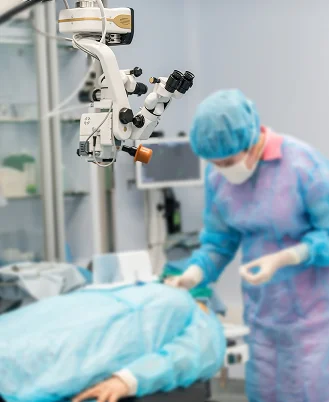
Scleral buckle surgery is a procedure used to repair certain types of retinal
detachment.
During surgery, a flexible silicone band or sponge is placed around
the outside of the eye. This creates a gentle indentation that helps bring the wall
of the eye closer to the retina.
The buckle relieves traction on the retina and
supports closure of retinal tears, allowing the retina to reattach.
The buckle
remains on the outside of the eye and is typically not visible after healing.
When Is Scleral Buckle Surgery Recommended?
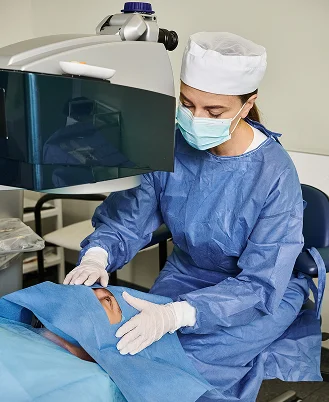
Scleral buckle surgery may be recommended for patients with specific retinal conditions.
Retinal Detachment
The procedure is commonly used when retinal detachment develops because of one or more retinal tears.
Retinal Breaks
A retinal break can increase the risk of retinal detachment and may require surgical repair depending on its size and location.
Multiple Retinal Tears
Patients with multiple retinal tears may benefit from the additional support provided by a scleral buckle.
Certain Complex Retinal Conditions
Some retinal detachments require a combination of surgical techniques to achieve successful repair.
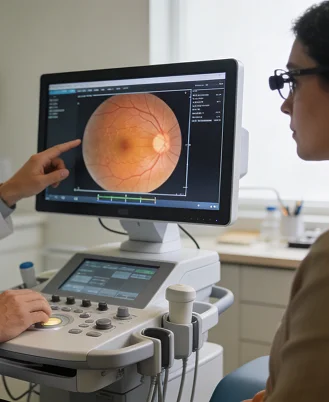
At phRETINA, treatment recommendations are based on detailed retinal examination findings and advanced retinal imaging.
How Scleral Buckle Eye Surgery Works
The goal of scleral buckle eye surgery is to relieve traction and support retinal healing.
Surgical Objectives
- Close retinal breaks
- Reduce retinal traction
- Support retinal reattachment
- Prevent further retinal separation
- Preserve vision
The procedure addresses the underlying forces contributing to retinal detachment while allowing the retina to heal.

What Happens During Eye Buckle Surgery?
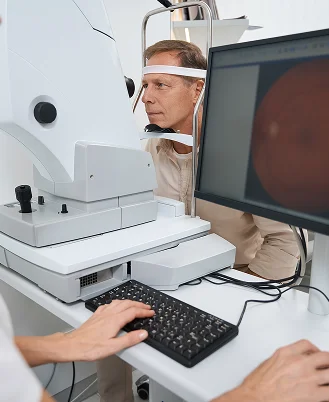
Patients often want to know what to expect before undergoing eye buckle surgery.
Before Surgery
A comprehensive retinal evaluation is performed to identify retinal tears, retinal breaks, and the extent of retinal detachment.
During Surgery
The retina specialist places the scleral buckle around the outer surface of the eye. Additional procedures may include:
- Laser treatment
- Cryotherapy
- Drainage of subretinal fluid
- Repair of retinal tears
The surgical plan is customized based on the patient's retinal condition.
After Surgery
Patients return home with detailed postoperative instructions and scheduled follow-up appointments to monitor healing.

Scleral Buckle and Vitrectomy
In some situations, scleral buckle and vitrectomy may be performed together.
Why Combine Procedures?
Certain retinal detachments are more complex and may involve extensive retinal
traction or multiple retinal breaks.
Combining procedures may help:
- Improve retinal support
- Address vitreous traction
- Repair complex retinal detachments
- Enhance retinal reattachment success
At phRETINA, our retina specialists determine whether a combined surgical approach is appropriate based on each patient's specific retinal findings.
Recovery After Scleral Buckle Surgery
Recovery varies depending on the severity of the retinal detachment and the extent of surgery performed.
Common Recovery Symptoms
- Blurred vision
- Eye redness
- Mild discomfort
- Temporary swelling
- Light sensitivity
- Visual fluctuations
Many patients notice gradual improvement as the retina heals and stabilizes. At our clinic in Nanuet, NY, Dr. Paul Hahn provides ongoing postoperative monitoring to evaluate retinal healing and visual recovery.




Activity Restrictions During Recovery
Protecting the eye during recovery is an important part of the healing process.
Patients may be advised to avoid :
- Heavy lifting
- Strenuous exercise
- High-impact activities
- Eye rubbing
- Activities restricted by their surgeon
Specific recommendations vary based on the surgical procedure and individual recovery progress.
Potential Risks of Scleral Buckle Surgery
Like all surgical procedures, scleral buckle surgery involves potential risks and complications.
Possible Risks Include
- Infection
- Bleeding
- Cataract progression
- Increased eye pressure
- Double vision
- Recurrent retinal detachment
- Need for additional surgery
Our retina specialists carefully discuss the benefits and risks of surgery during the evaluation process.




Scleral Buckle Removal
Most scleral buckles remain in place permanently and continue providing long-term support without causing problems.
When Is Scleral Buckle Removal Needed?
Although uncommon, scleral buckle removal may be considered if:
- Infection occurs
- The buckle becomes exposed
- Persistent discomfort occurs
- Other complications arise
Most patients never require scleral buckle removal and continue to do well with the buckle in place.
Benefits of Scleral Buckle Surgery
For many patients, scleral buckle surgery provides an effective solution for retinal detachment repair.
Potential Benefits
- Successful retinal reattachment
- Repair of retinal breaks
- Preservation of vision
- Long-term retinal support
- Reduced risk of further detachment
- Improved retinal stability
Early treatment often leads to better visual outcomes and a lower risk of permanent retinal damage. often leads to better visual outcomes and a lower risk of permanent retinal damage.



Why Choose phRETINA?
Successful retinal detachment repair requires specialized expertise, advanced
technology, and careful long-term follow-up.
At phRETINA,
patients benefit from:
Retina-Focused Expertise
Specialized care from physicians dedicated to retinal diseases and vitreoretinal surgery.
Advanced Diagnostic Imaging
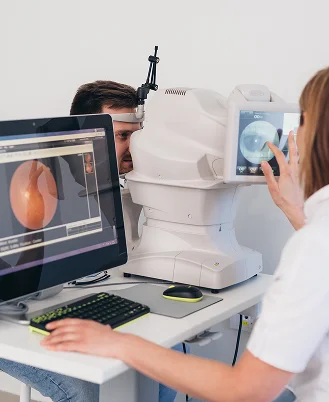
Detailed retinal imaging that supports accurate diagnosis and surgical planning.
Personalized Treatment Plans
Individualized recommendations based on each patient's retinal condition and visual goals.
Comprehensive Postoperative Care
Ongoing monitoring and support throughout recovery and long-term retinal management.
At phRETINA, our retina specialists provide advanced retinal imaging, expert diagnosis, and personalized care designed to protect your vision and retinal health.
Helpful Information for New and Returning Patients
Schedule a Retinal Evaluation
Retinal evaluation can help determine whether scleral buckle surgery is appropriate for your condition.