
Retinal Detachment Surgery Recovery
- Home
- General
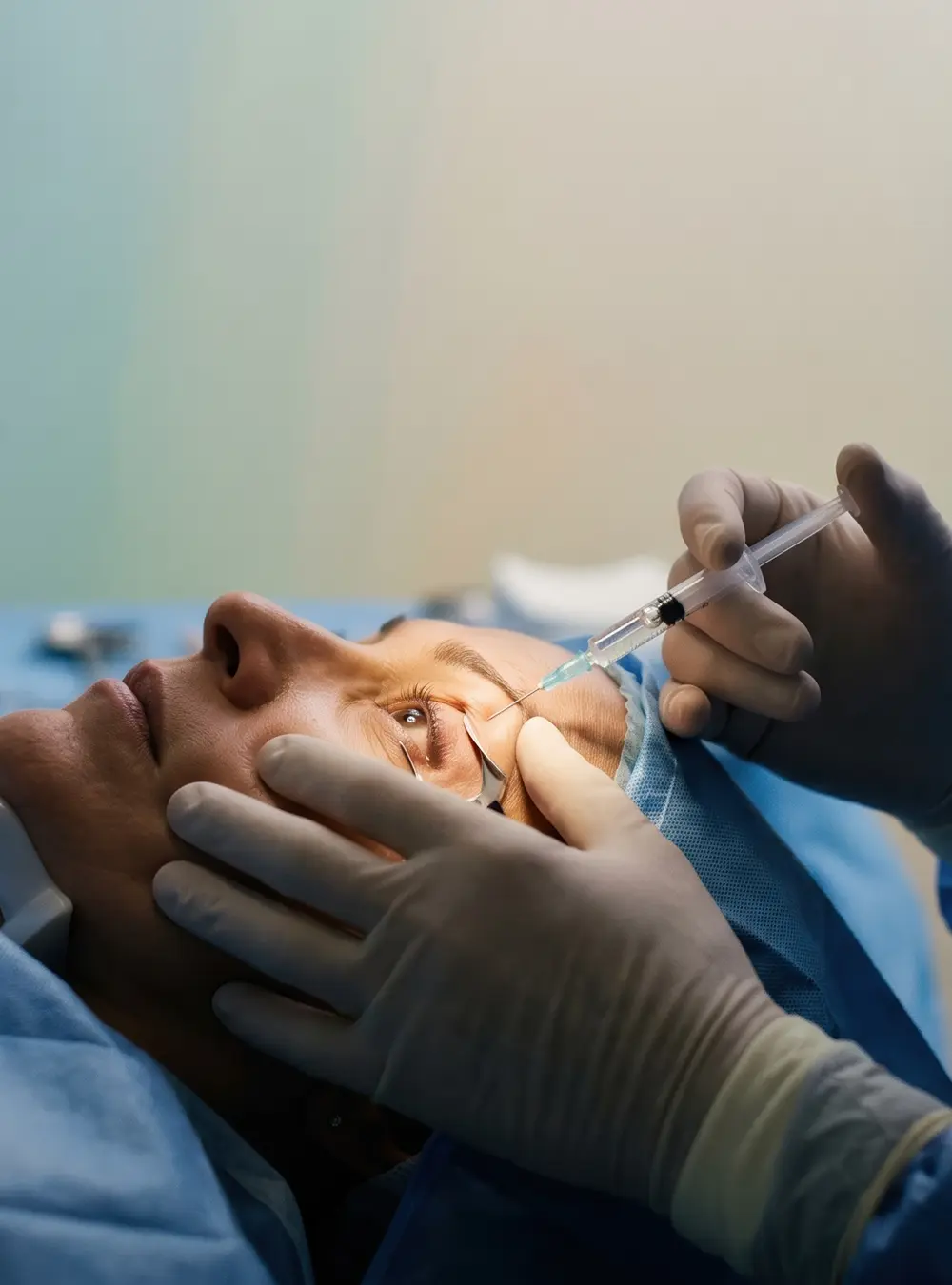
Retinal Detachment Surgery Recovery
Understanding retinal detachment surgery recovery can help patients prepare for the healing process and know what to expect after treatment. Although retinal detachment surgery is often successful in reattaching the retina, recovery continues for weeks or even months as the eye heals and vision stabilizes.
Recovery varies depending on the severity of the retinal detachment, the type of procedure performed, and the overall health of the eye. Following postoperative instructions carefully plays an important role in achieving the best possible outcome.
At phRETINA, our retina specialists guide patients through every stage of retinal detachment surgery recovery, from the immediate postoperative period to long-term follow-up care.

Why Recovery Matters After Retinal Detachment Surgery
Retinal detachment surgery is designed to reattach the retina and preserve vision. However, successful surgery is only one part of the recovery journey.
The healing period allows the retina to stabilize, supports visual rehabilitation, and helps reduce the risk of complications or recurrent retinal detachment.
Recovery Goals
- Promote retinal healing
- Protect vision
- Prevent recurrent detachment
- Monitor for complications
- Support visual rehabilitation
Regular follow-up appointments are essential to ensure retinal detachment surgery recovery is progressing as expected.





What to Expect Immediately After Surgery
The first few days after retinal detachment surgery are focused on healing, reducing inflammation, and monitoring the eye closely.
Common Early Symptoms
- Blurred vision
- Eye redness
- Mild discomfort
- Light sensitivity
- Temporary swelling
- Floaters or visual disturbances
These symptoms are typically expected during the early stages of recovery. Patients should carefully follow all postoperative instructions provided by their retina specialist.
Retinal Detachment Recovery Time
One of the most common questions patients ask concerns retinal detachment recovery time. Although every case is unique, healing generally occurs gradually over several weeks or months.
Typical Recovery Timeline
- First Few Days: Initial healing begins and postoperative symptoms are most noticeable.
- First Few Weeks: Inflammation gradually improves while the retina continues to stabilize.
- Four to Six Weeks: Many patients notice improved comfort and visual function.
- Several Months: Vision may continue improving as retinal healing progresses.
Recovery depends on factors such as the location of the detachment, how long it was present before surgery, and whether the macula was affected.
Vision Recovery After Surgery
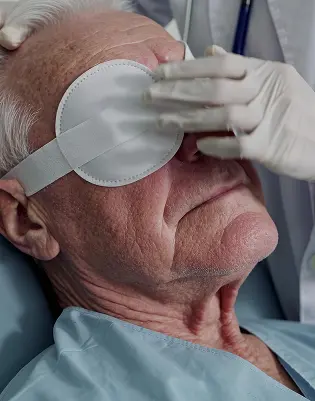
Visual recovery is often gradual and varies significantly from one patient to another. Many people experience steady improvements over time as the retina continues to heal.
Factors Affecting Vision Recovery
- Severity of retinal detachment
- Location of retinal damage
- Timing of treatment
- Presence of scar tissue
- Overall retinal health
What Patients Should Know
Vision may not return immediately after surgery. In many cases, improvement continues over several weeks or even months as retinal healing progresses.
At phRETINA, follow-up examinations and advanced retinal imaging are used to monitor healing and visual recovery throughout the recovery process.
Vitrectomy Recovery
Many retinal detachments are treated using vitrectomy surgery. Recovery after a vitrectomy varies depending on the complexity of the retinal repair and whether a gas bubble or silicone oil was used during surgery.
What Is a Vitrectomy?
A vitrectomy involves removing the vitreous gel from inside the eye to allow the retina specialist to repair retinal damage and restore retinal stability.
What to Expect During Recovery
- Temporary blurred vision
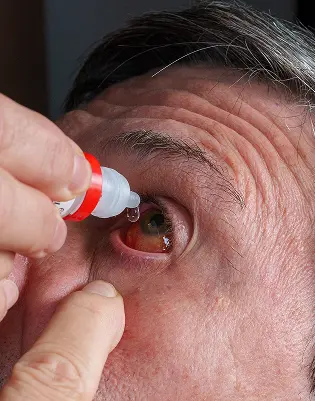
- Use of prescribed eye drops
- Regular follow-up examinations
- Temporary activity restrictions
- Gradual visual improvement
If a gas bubble has been placed inside the eye, additional precautions may be necessary until it has completely resolved. Your retina specialist will provide detailed postoperative instructions based on your individual procedure.



Recovery Following Retinal Tear Surgery
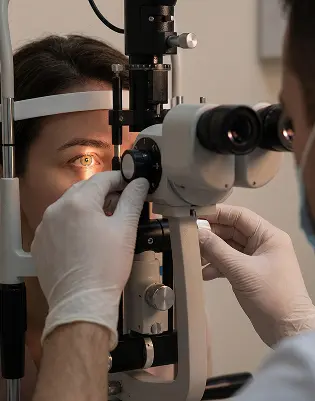
Not every retinal procedure involves a full retinal detachment. Some patients receive treatment for a retinal tear before detachment occurs.
Retinal Tear Surgery Recovery
- Mild irritation
- Temporary blurred vision
- Short-term activity limitations
- Routine retinal follow-up monitoring
Prompt treatment of retinal tears can often prevent more serious retinal complications and reduce the likelihood of future retinal detachment.
What Not to Do After Retinal Detachment Surgery
Understanding what to avoid after retinal detachment surgery is an important part of protecting the healing retina and achieving the best possible outcome.
Patients Are Often Advised To Avoid
- Heavy lifting
- Strenuous exercise
- High-impact activities
- Rubbing the eye
- Swimming until approved
- Skipping prescribed medications
- Missing follow-up appointments
If a gas bubble is present, additional restrictions may apply, including avoiding air travel until the bubble has completely resolved.
Every patient receives personalized postoperative instructions based on their surgery and recovery progress.

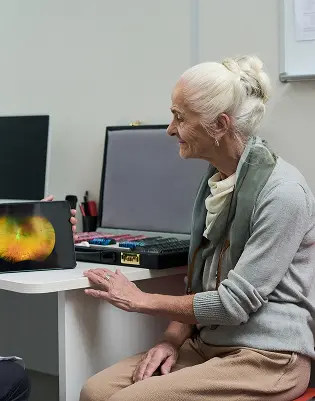
Six Weeks After Retinal Detachment Surgery
Many patients wonder what they should expect approximately six weeks after retinal detachment surgery. Although recovery differs for every individual, significant healing has usually taken place by this stage.
What Many Patients Experience
- Reduced inflammation
- Improved comfort
- Progressive visual improvement
- Continued retinal stabilization
- Regular follow-up monitoring
Remember
Healing timelines vary considerably. Some patients continue noticing improvements in vision for several months after surgery.
Routine follow-up appointments remain important because recovery continues even when the eye appears to be healing well.
Signs That Require Immediate Attention
Although most recoveries progress smoothly, certain symptoms require urgent evaluation by a retina specialist.
Contact Your Retina Specialist Immediately If You Experience
- Sudden vision loss
- New flashes of light
- A significant increase in floaters
- Severe eye pain
- Increasing redness
- A curtain-like shadow across your vision
These symptoms may indicate a complication that requires prompt assessment and treatment.




How phRETINA Supports Recovery
Successful retinal detachment surgery recovery involves much more than the procedure itself. Ongoing monitoring and individualized care are essential to achieving the best possible visual outcome.
Our Retina Specialists Provide
- Comprehensive postoperative monitoring
- Personalized recovery guidance
- Early management of complications if they arise
- Advanced retinal imaging during follow-up visits
- Long-term retinal care and vision preservation
At phRETINA, every recovery plan is tailored to the patient's condition, surgical procedure, and healing progress to help protect vision and support long-term retinal health.
Why Follow-Up Care Is Important
Follow-up visits allow retina specialists to evaluate healing, confirm retinal stability, and monitor visual recovery throughout the postoperative period.
Benefits of Follow-Up Care
- Confirmation of successful retinal reattachment
- Monitoring of visual recovery
- Early detection of complications
- Adjustment of treatment plans when needed
- Long-term retinal health management
Ongoing follow-up remains an essential part of retinal detachment surgery recovery and helps ensure the best possible long-term visual outcome.


Helpful Information for New and Returning Patients
Schedule a Postoperative Retinal Evaluation
If you have recently undergone retinal surgery or have questions about retinal detachment surgery recovery, a comprehensive follow-up evaluation can help ensure your healing is progressing appropriately.