
Macular Hole: Symptoms, Causes, Stages & Treatment
- Home
- General
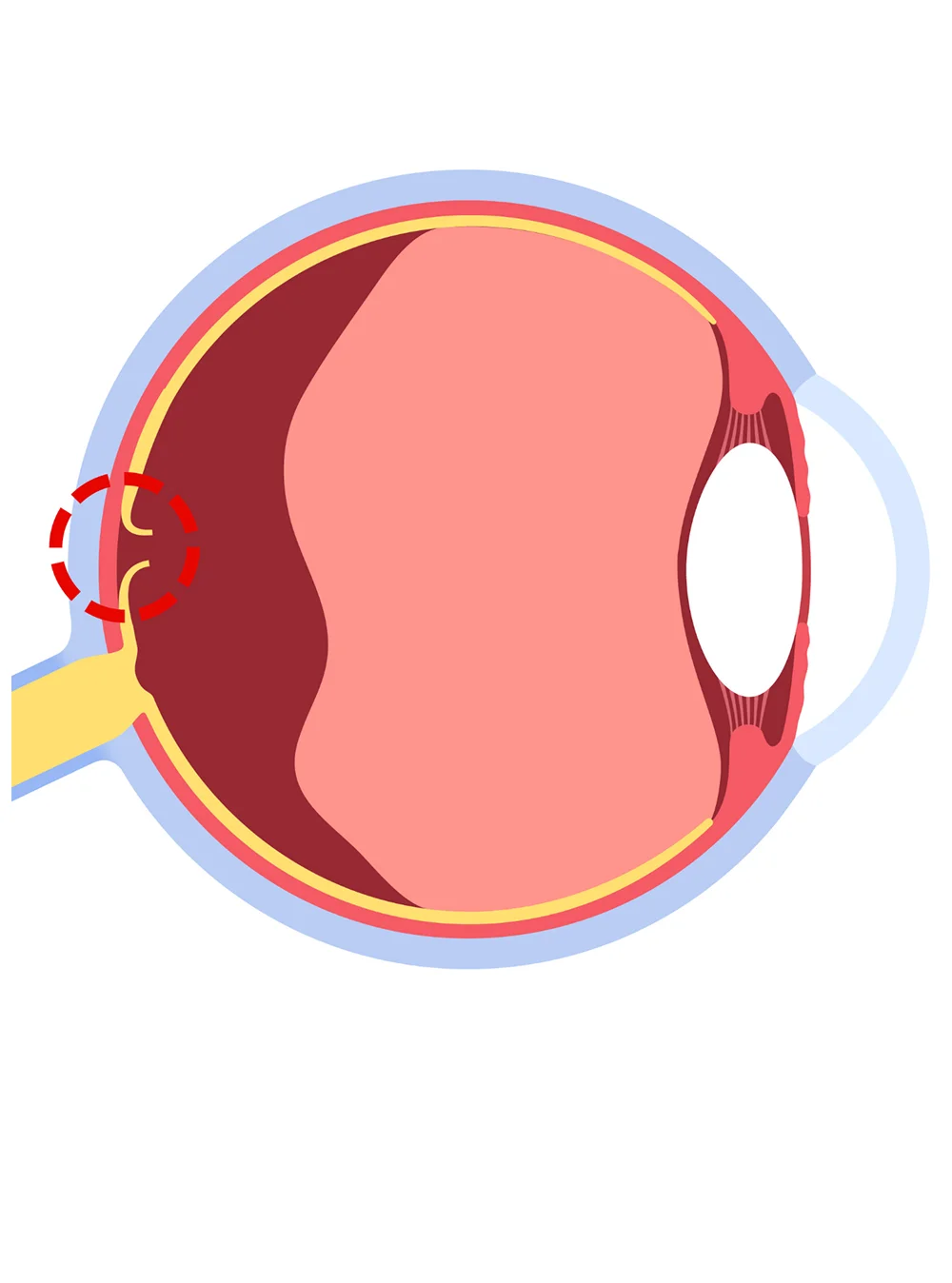
Macular Hole
Have you noticed blurry or distorted vision, a dark spot in your central vision, or difficulty reading or recognizing faces? These may be early signs of a macular hole, a retinal condition that can gradually affect your central vision if left untreated.
Because these symptoms often develop slowly, they are easy to dismiss as a normal part of aging. However, early diagnosis and treatment can help protect your vision and improve outcomes. Learn more about macular hole, including its symptoms, causes, stages, and available treatment options in this guide.
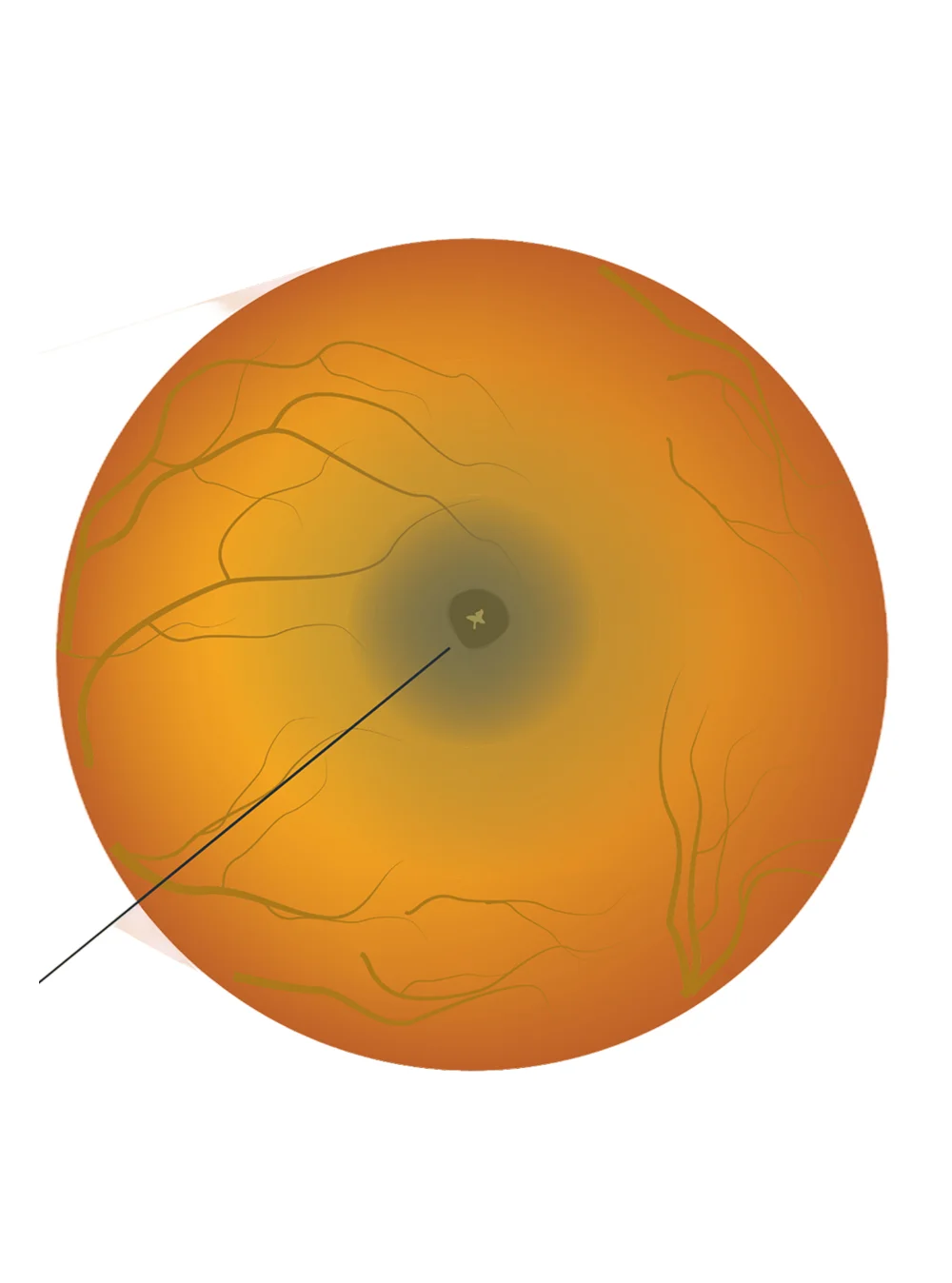
What Is a Macular Hole?
A macular hole is a small opening that develops in the macula, the central part of the retina responsible for sharp, detailed vision. The macula helps you read, recognize faces, drive, and perform everyday tasks that require clear central vision.
As the hole develops, central vision may become blurry or distorted, making routine activities more difficult. Unlike many other retinal conditions, a macular hole does not affect side (peripheral) vision, but it can significantly impact the quality of your central vision if left untreated.

What Causes a Macular Hole?
Several factors can contribute to macular hole causes, with aging being the most common. Inside the eye is a gel-like substance called the vitreous. As we age, the vitreous naturally shrinks and begins to separate from the retina. In some cases, it pulls too firmly on the macula, creating a small hole.
Other possible causes include:
- Age-related changes in the vitreous
- Eye injury or trauma
- High myopia (severe nearsightedness)
- Previous retinal surgery
- Chronic inflammation within the eye
- Certain retinal conditions such as diabetic retinopathy
Although anyone can develop a macular hole eye condition, it is most commonly seen in adults over the age of 60.
Macular Hole Symptoms
The symptoms of a macular hole usually develop gradually and may become more noticeable as the condition progresses.
Vision Changes
- Blurred central vision
- Vision distortion
- Wavy vision
Visual Changes
- A blind spot in vision
- Difficulty reading small print
- Trouble recognizing faces
Color & Shape Changes
- Colors appearing less vibrant
- Straight lines look wavy
These symptoms may initially affect only one eye, making them easy to overlook. Covering one eye at a time can sometimes help you notice subtle changes in your central vision.
How Is a Macular Hole Diagnosed?
Early diagnosis allows treatment to begin before vision loss becomes more significant. At phRETINA, Dr. Paul Hahn performs a comprehensive retinal evaluation using advanced diagnostic technology to confirm the diagnosis and determine the stage of the macular hole.
Your evaluation may include:
- A dilated retinal examination
- Optical Coherence Tomography (OCT)
- Retinal imaging
- Visual acuity testing
OCT provides highly detailed cross-sectional images of the retina, allowing our retina specialist to evaluate the size and depth of the macular hole and recommend the most appropriate treatment.

Macular Hole Treatment
Treatment for a macular hole depends on its stage, the severity of your symptoms, and how much your vision has been affected.
In some early cases, careful monitoring may be appropriate. However, many full-thickness macular holes require surgery to improve the chance of the hole closing and to preserve or restore central vision.

Vitrectomy Surgery
The most common treatment for a macular hole is a vitrectomy. During this procedure, the vitreous gel is removed to relieve traction on the macula. A small gas bubble is then placed inside the eye to help the edges of the hole close as it heals.
Our retina specialist will provide detailed recovery instructions and explain what to expect after surgery.
Recovery After Macular Hole Surgery
Recovery varies from person to person and depends on the size of the macular hole and how long it has been present before treatment. As the eye heals, vision often improves gradually over several weeks or months. While many patients experience better central vision after successful treatment, the amount of visual improvement depends on the stage of the macular hole and how early it was treated.
Regular follow-up visits allow our retina specialist to monitor healing and ensure the eye is recovering as expected.
Why Choose Dr. Paul Hahn for Macular Hole Care?
A macular hole requires specialized diagnosis and treatment to help preserve central vision.
At phRETINA, Retina Specialist Dr. Paul Hahn combines advanced retinal imaging with extensive clinical and surgical expertise to diagnose and manage macular holes. Every patient receives a personalized treatment plan based on their retinal condition, visual needs, and overall eye health.
Patients throughout Nanuet, NY, trust phRETINA for physician-led retinal care focused on achieving the best possible outcomes.

Helpful Information for New and Returning Patients
Conclusion
A macular hole can gradually affect your central vision, making everyday activities more challenging. Recognizing the symptoms early and seeking prompt evaluation can improve the likelihood of successful treatment and help preserve your vision.
At phRETINA, Retina Specialist Dr. Paul Hahn provides comprehensive diagnosis and personalized care for macular holes using advanced imaging and evidence-based treatment. Patients in Nanuet, NY, receive expert retinal care tailored to their individual needs.
Noticing blurred or distorted central vision?
Schedule a comprehensive retinal evaluation with Dr. Paul Hahn and the phRETINA team today.