
Epiretinal Membrane Treatment: Surgery, Recovery & What to Expect
- Home
- General
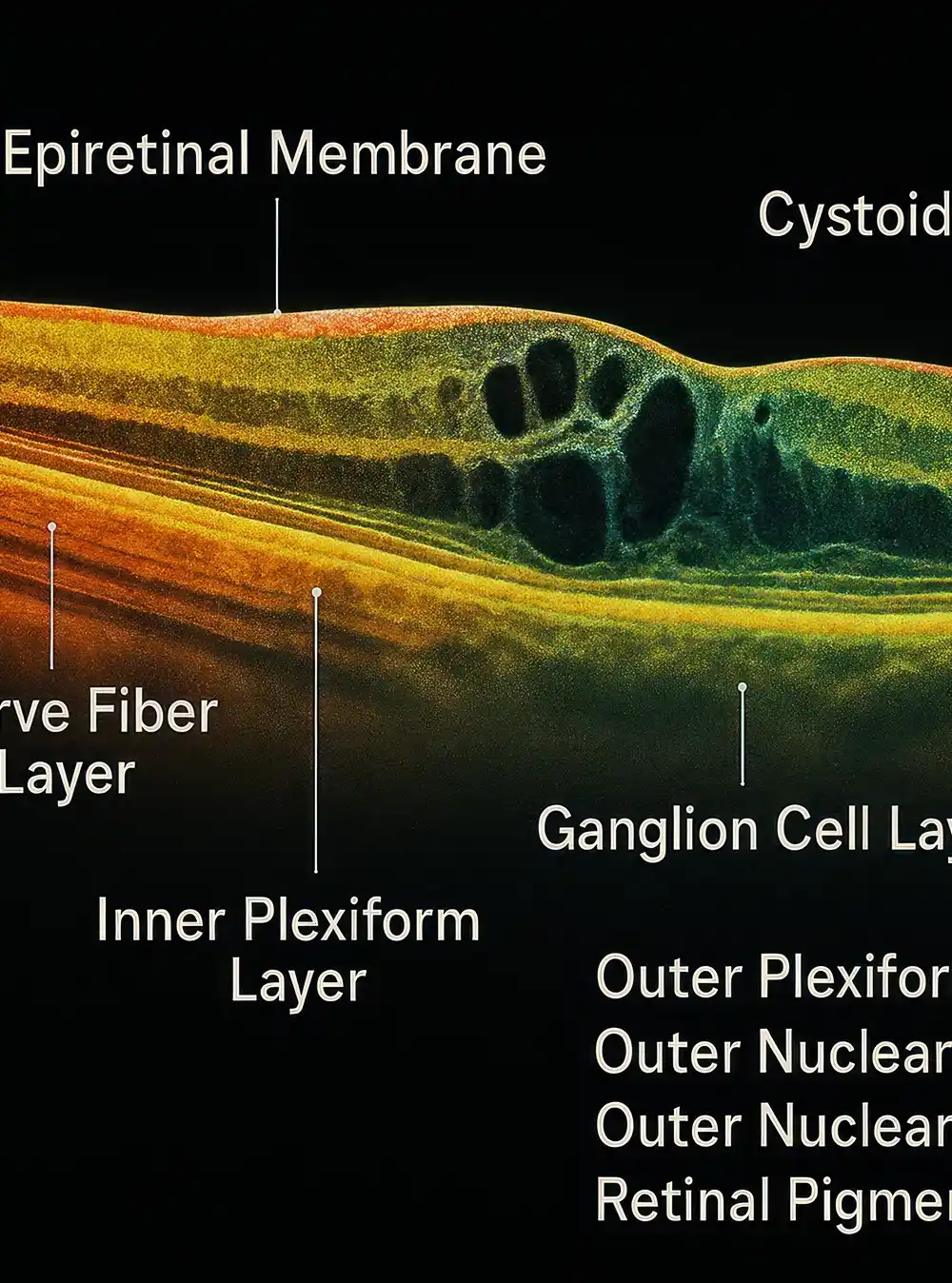
Epiretinal Membrane Treatment
An epiretinal membrane does not always require surgery, but if it begins to affect your central vision or interfere with daily activities, treatment may be recommended. The goal of epiretinal membrane treatment is to relieve traction on the retina, improve vision, and prevent symptoms from progressing.
At phRETINA, Retina Specialist Dr. Paul HahnDr. Paul Hahn provides personalized care for patients with epiretinal membranes, helping determine whether careful monitoring or surgical treatment is the most appropriate option.
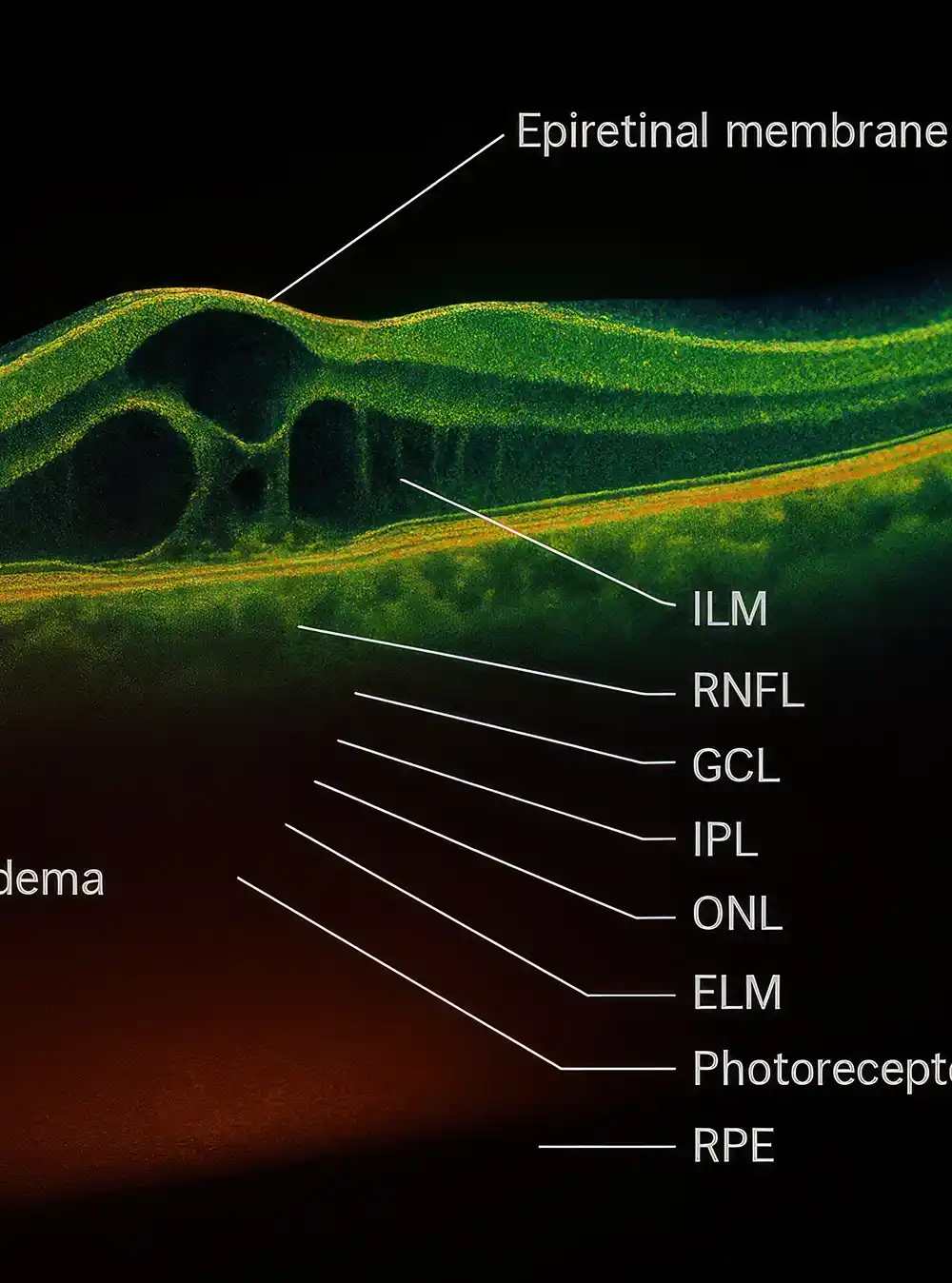
What Is Epiretinal Membrane Treatment?
Epiretinal membrane treatment depends on the severity of your symptoms, the condition of your retina, and how much your vision has been affected. Not every epiretinal membrane requires surgery. If symptoms are mild and your vision remains stable, our retina specialist may recommend regular monitoring with comprehensive retinal examinations and imaging.
When blurred or distorted vision begins to interfere with reading, driving, or other daily activities, surgery may offer the best opportunity to improve visual function.
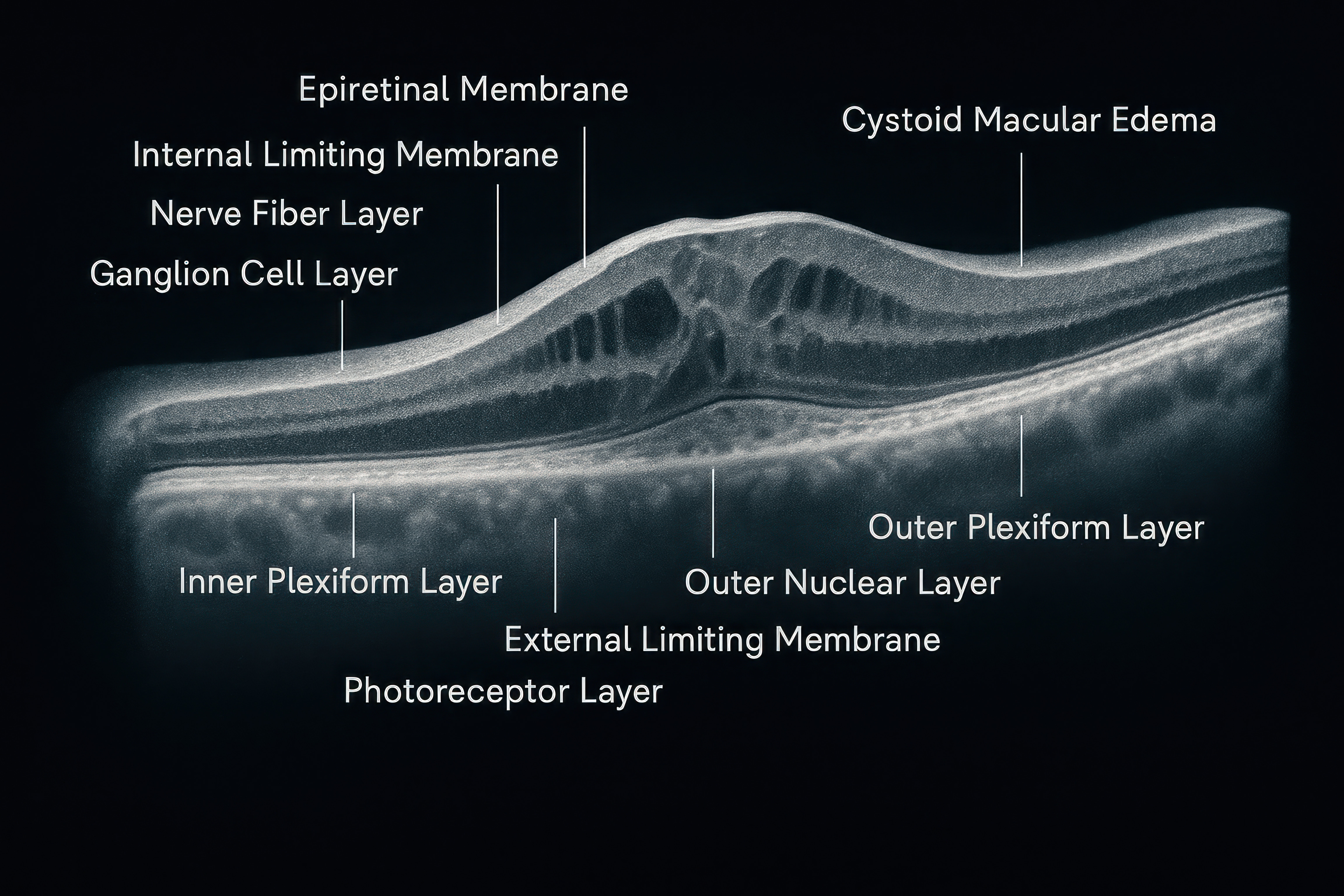
When Is Surgery Recommended?
Our retina specialist may recommend epiretinal membrane surgery if:
- Blurred vision continues to worsen
- Distorted vision affects daily activities
- Straight lines appear bent or wavy
- Reading becomes increasingly difficult
- Imaging shows significant traction on the macula
The decision to proceed with surgery is based on your symptoms, examination findings, lifestyle, and overall eye health.
Epiretinal Membrane Surgery
Epiretinal membrane surgery, also called an epiretinal membrane operation, is performed to remove the thin layer of scar tissue from the surface of the macula. The procedure is designed to reduce traction on the retina, improve central vision, and decrease visual distortion.
Patients searching for macular pucker treatment or macular pucker operation are referring to the same procedure, as a macular pucker is another name for an epiretinal membrane.
What Is a Vitrectomy?
The most common surgical approach for epiretinal membrane treatment is a vitrectomy. During vitrectomy eye surgery, the vitreous gel inside the eye is carefully removed to provide access to the retinal surface. Our retina specialist then performs membrane peel surgery, delicately removing the scar tissue causing the macula to wrinkle.
The procedure is performed using highly specialized microsurgical instruments and advanced visualization techniques to maximize precision while protecting the surrounding retinal tissue.

What to Expect During Surgery
A vitrectomy is typically performed as an outpatient procedure, allowing most patients to return home the same day. Depending on your individual case, surgery may be performed using local anesthesia with sedation or, in some situations, general anesthesia. Dr. Paul Hahn will discuss the procedure, expected outcomes, and any potential risks before treatment so you know what to expect.

Benefits of Epiretinal Membrane Surgery
For many patients, epiretinal membrane treatment can help improve visual quality and reduce symptoms that interfere with everyday life.
Potential benefits of surgery include:
- Reduced visual distortion
- Improved central vision
- Better ability to read and recognize faces
- Straighter appearance of lines and objects
- Improved quality of life for suitable candidates
While many patients notice meaningful improvement, the outcome depends on factors such as how long the membrane has been present and the overall health of the retina. Our retina specialist will discuss realistic expectations based on your individual condition.
Vitrectomy Recovery
Vitrectomy recovery is gradual, and vision typically improves over time rather than
immediately after surgery. During the early stages of healing, it is normal for
vision
to remain blurry as the eye recovers. Improvement often continues over several weeks
or months, depending on the severity of the
epiretinal membrane before surgery.
Following your post-operative instructions and attending scheduled follow-up
appointments are important parts of a successful recovery. Patients often ask about
recovery after vitrectomy. While every recovery is different, regular monitoring
allows our retina specialist to evaluate healing and
answer any questions
throughout
the process.
Why Choose Dr. Paul Hahn for Epiretinal Membrane Treatment?
Choosing the right retina specialist is an important part of successful treatment. At phRETINA, Retina Specialist Dr. Paul Hahn combines advanced retinal imaging with extensive clinical and surgical expertise to diagnose and treat epiretinal membranes. Every treatment plan is personalized, ensuring patients receive care that is tailored to their symptoms, lifestyle, and long-term visual goals.
Patients throughout Nanuet, NY, trust phRETINA for physician-led retinal care supported by advanced technology and evidence-based treatment.

Helpful Information for New and Returning Patients
Conclusion
Epiretinal membrane treatment is tailored to each patient's symptoms and the extent of retinal involvement. While some patients benefit from careful observation, others may achieve better visual outcomes with epiretinal membrane surgery and membrane peel surgery.
At phRETINA, Retina Specialist Dr. Paul Hahn provides comprehensive evaluation, advanced surgical care, and personalized follow-up for patients with epiretinal membranes. Patients in Nanuet, NY, receive expert retinal care focused on preserving vision and improving quality of life.
Is distorted vision affecting your daily activities?
Schedule a comprehensive retinal evaluation with Dr. Paul Hahn and the phRETINA team today.