
Epiretinal Membrane (Macular Pucker): Symptoms, Causes & Treatment
- Home
- General

Epiretinal Membrane (Macular Pucker)
Have you noticed distorted vision, wavy vision, or that straight lines look wavy? These changes may be caused by an epiretinal membrane, also known as a macular pucker, a condition that affects the surface of the retina and can interfere with clear central vision.
Although symptoms often develop gradually, they should not be ignored. Early evaluation can help determine the cause of your vision changes and whether treatment is needed.
What Is an Epiretinal Membrane?
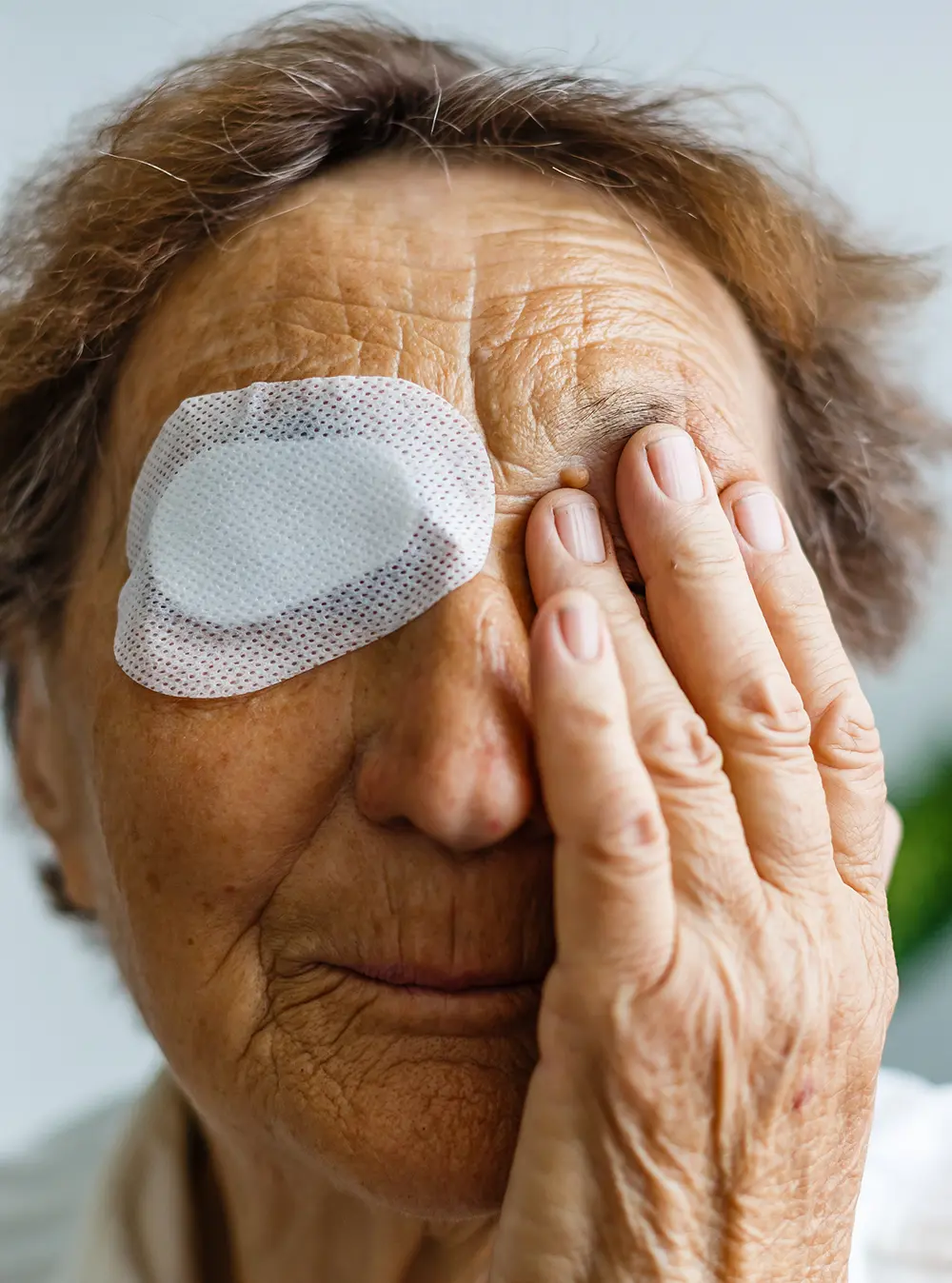
An epiretinal membrane is a thin layer of scar-like tissue that forms on the surface of the macula, the part of the retina responsible for sharp central vision. As this membrane contracts, it can pull on the macula and change its shape, leading to blurred or distorted vision.
An epiretinal membrane is also commonly called a macular pucker because it can cause the surface of the retina to wrinkle or pucker. While some cases remain mild and stable, others may gradually affect daily activities such as reading, driving, or recognizing faces.

What Causes an Epiretinal Membrane?
There are several epiretinal membrane causes, with age-related changes inside the eye being the most common. As the vitreous gel naturally separates from the retina over time, microscopic changes on the retinal surface may trigger the formation of scar tissue.
Other macular pucker causes include:
- Posterior vitreous detachment
- Retinal tears or retinal detachment
- Eye injury or trauma
- Diabetic retinopathy
- Retinal vein occlusion
- Previous eye surgery
- Inflammation inside the eye
Many people develop an epiretinal membrane without an identifiable cause, particularly as part of the normal aging process.
Epiretinal Membrane Symptoms
The severity of epiretinal membrane symptoms varies depending on how much the membrane affects the macula.
Vision Changes
- Blurred central vision
- Reduced clarity in one eye
Distorted Vision
- Distorted vision
- Wavy vision
- Straight lines look wavy
Reading Difficulties
- Difficulty reading small print
- Vision distortion when reading or focusing on objects
Object Appearance
- Objects appearing larger or smaller in one eye
- Changes when focusing on objects
These macular pucker symptoms usually develop gradually rather than suddenly. Some patients notice only mild changes, while others experience increasing difficulty with everyday tasks.
How Is an Epiretinal Membrane Diagnosed?
A comprehensive retinal examination is the best way to diagnose an epiretinal membrane and determine whether it is affecting your vision. At phRETINA, Retina Specialist Dr. Paul Hahn uses advanced diagnostic technology to evaluate the macula and identify even subtle changes.
Your evaluation may include:
- Dilated retinal examination
- Optical Coherence Tomography (OCT)
- Retinal imaging
- Visual acuity testing
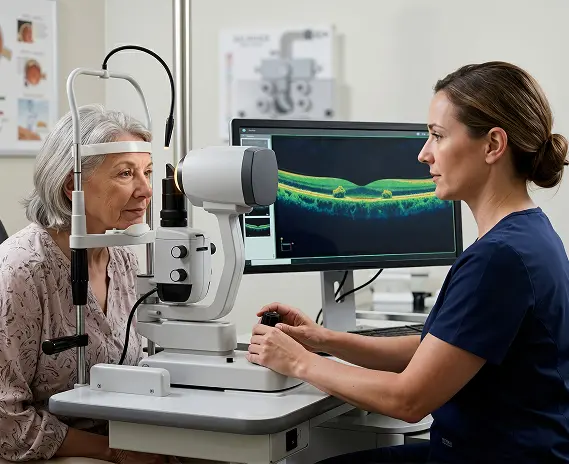
OCT provides detailed cross-sectional images of the retina, allowing our retina specialist to assess the thickness of the membrane, evaluate its effect on the macula, and recommend the most appropriate treatment.

Epiretinal Membrane Treatment
Treatment for an epiretinal membrane depends on the severity of your symptoms and how much your vision is affected. If the membrane is mild and your vision remains stable, our retina specialist may recommend regular monitoring to watch for changes over time.
When an epiretinal membrane begins to interfere with daily activities such as reading, driving, or recognizing faces, surgery may be considered.
Vitrectomy with Membrane Peel
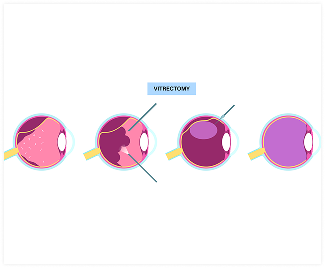
The most effective treatment for a symptomatic macular pucker is a vitrectomy with membrane peel. During this procedure, the vitreous gel is removed, and the thin membrane is carefully peeled away from the surface of the retina to reduce traction on the macula.
The goal of surgery is to improve or stabilize vision and reduce distortion. Your treatment plan will depend on your symptoms, retinal findings, and overall eye health.
Recovery After Treatment
Recovery following surgery is gradual. Many patients notice steady improvement over several weeks or months as the retina heals.
Although vision often improves, the amount of recovery varies depending on how long the membrane has been present and the condition of the macula before treatment. Regular follow-up appointments allow our retina specialist to monitor healing and your visual progress.
Why Choose Dr. Paul Hahn for Epiretinal Membrane Care?
An epiretinal membrane requires careful evaluation to determine whether observation or treatment is the best approach. At phRETINA, Retina Specialist Dr. Paul Hahn combines advanced retinal imaging with extensive clinical and surgical expertise to diagnose and treat epiretinal membranes and other complex retinal conditions. Every patient receives an individualized care plan designed to preserve vision and support long-term retinal health.
Patients throughout Nanuet, NY, trust phRETINA for physician-led retinal care backed by evidence-based treatment and advanced technology.
Helpful Information for New and Returning Patients
Conclusion
An epiretinal membrane can gradually affect the quality of your central vision, making everyday tasks more challenging over time. Recognizing the symptoms early and having your retina evaluated can help determine whether simple monitoring or treatment is the most appropriate option.
At phRETINA, Retina Specialist Dr. Paul Hahn provides expert diagnosis and personalized care for epiretinal membranes using advanced retinal imaging and evidence-based treatment. Patients in Nanuet, NY, receive specialized retinal care focused on protecting their vision and maintaining long-term eye health.
Experiencing distorted or wavy vision?
Schedule a comprehensive retinal evaluation with Dr. Paul Hahn and the phRETINA team today.