
Dry vs. Wet Macular Degeneration
- Home
- General

Dry vs. Wet Macular Degeneration
Macular degeneration is a progressive retinal condition that affects central vision. It is broadly classified into two types: dry and wet macular degeneration. Understanding the difference between these forms is essential for diagnosis, monitoring, and selecting the appropriate AMD treatment.
While both conditions affect the macula, they differ significantly in progression, risk of vision loss, and management strategies. Patients are often diagnosed with dry AMD first, but some may progress to wet macular degeneration, which requires more urgent care.

What Is Dry Macular Degeneration?
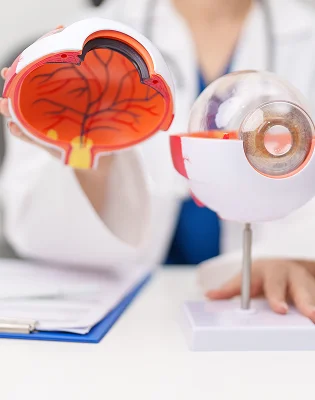
Dry AMD is the more common form of macular degeneration. It develops gradually and in its initial stages, is associated with the accumulation of drusen, which are small yellow deposits beneath the retina. As dry AMD progresses, the retina degenerates resulting in patches of thinning or atrophy (so-called geographic atrophy) that result in central vision loss.
Key Characteristics
- Slow progression
- Gradual central vision changes
- Often asymptomatic in early stages
Dry AMD does not typically require invasive procedures in its early stages. Management focuses on monitoring and risk reduction. In intermediate or advanced stages, treatments can help slow down progression of this disease.


Can Dry AMD Progress?
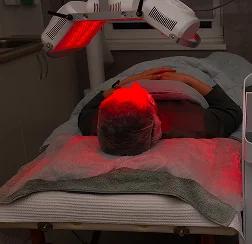
Dry macular degeneration is a progressive disease that eventually leads to slow but continuous degeneration leading to loss of central vision. Although we had no treatments for dry macular degeneration for a long time, we are fortunate to now have over-the-counter vitamin supplements, non-invasive light therapy called photobiomodulation, and medicines that we inject into the eye to help stabilize various stages of this disease.
Dry macular degeneration can also progress to the wet form in approximately 15% of patients. This transition occurs when abnormal blood vessels begin to grow beneath the retina, leading to leakage and more rapid vision changes.
Because this progression to wet AMD can happen without warning, regular monitoring is essential. Imaging tests can detect early changes before symptoms become severe, allowing for timely intervention. Patients diagnosed with dry AMD are typically followed closely to identify any signs of progression at the earliest stage.
What Is Wet Macular Degeneration?
Wet Macular Degeneration is a more advanced and aggressive form of the disease. It occurs when abnormal blood vessels grow beneath the retina and leak fluid or blood.
Key Characteristics
- Rapid onset of symptoms
- Distortion of central vision
- Higher risk of permanent vision loss
It requires immediate medical attention by a retina specialist. Early diagnosis and treatment are critical to preserving vision.


AMD Wet and Dry: Key Differences
Understanding wet and dry AMD differences helps patients recognize the urgency of treatment and the importance of monitoring.
Progression
- Dry AMD progresses slowly over years
- Wet AMD can worsen within days or weeks.
Vision Impact
- Dry AMD causes gradual blurring
- Wet AMD leads to distortion and central vision loss.
Treatment Approach
- Dry AMD: monitoring, lifestyle changes, supplements, and in some cases, active treatment with injections
- Wet AMD: active treatment with injections
These differences directly influence clinical decisions and long-term outcomes.


Symptoms to Watch For
Recognizing symptoms early is critical, particularly for detecting conversion from dry to wet macular degeneration.
Common Symptoms
- Blurred central vision
- Difficulty reading or recognizing faces
- Straight lines appearing wavy
- Dark or empty spots in vision
Sudden changes in vision are more commonly associated with wet macular degeneration and require urgent evaluation.
How Macular Degeneration Is Diagnosed
Diagnosis relies on a combination of clinical examination and imaging.
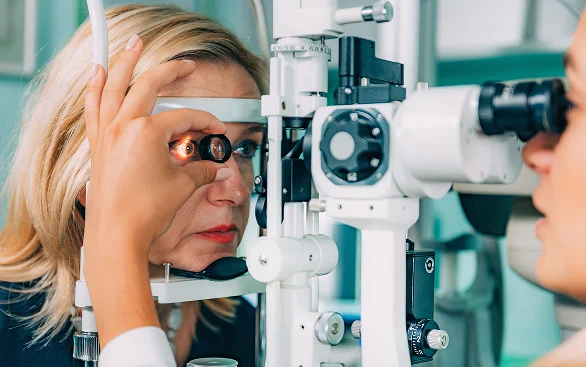
AMD Eye Test
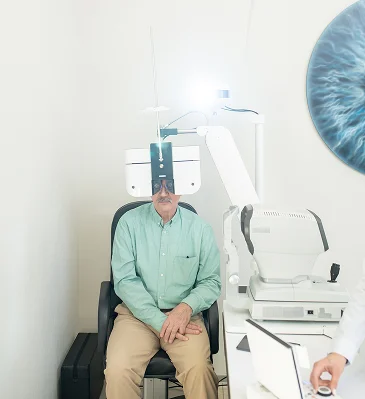
A comprehensive AMD eye test includes:
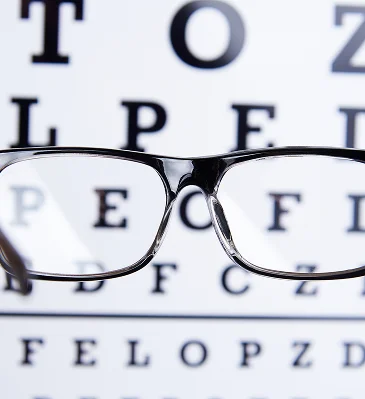
- Visual acuity testing
- Dilated retinal examination
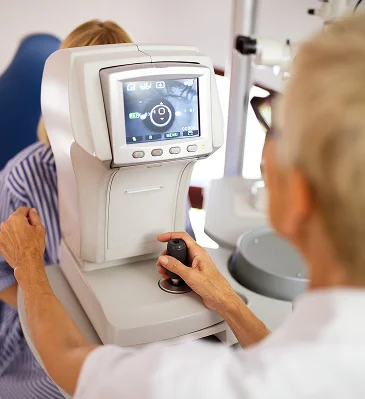
- Advanced retinal imaging
These assessments help detect early signs of macular damage.
Imaging and Evaluation
Advanced imaging, including OCT, is used to:
- Detect retinal fluid
- Identify abnormal blood vessels
- Monitor disease progression
Evaluation by a retinal specialist ensures accurate diagnosis and differentiation between dry and wet forms.

AMD Treatment Options
Treatment varies significantly depending on whether the condition is dry or wet macular degeneration.
Dry AMD Management
- Nutritional supplementation (AREDS2)
- Lifestyle modifications
- Regular monitoring
- Light therapy
- Intravitreal injections to help slow growth of atrophy.
Wet Macular Degeneration Treatment
The primary AMD treatment for wet macular degeneration involves anti-VEGF injections.
Eye Injection for Wet AMD
An eye injection for wet AMD is the most effective treatment currently available.
How It Works
These medications block VEGF, a protein responsible for abnormal blood vessel growth.
Benefits
- Reduces retinal swelling
- Stabilizes or improves vision
- Slows disease progression
Treatment is typically administered at regular intervals and adjusted based on response.


What to Expect From Injection Treatment
Patients often have concerns about receiving an eye injections for AMD.
Procedure Overview
- Performed in-office
- Local anesthesia (typically just eye drops) is used for comfort
- The procedure is brief and very well tolerated.
Follow-Up Care
- Regular monitoring with imaging
- Adjustment of treatment intervals
- Long-term follow-up with a retinal specialist
This structured approach ensures that AMD treatment is tailored to each patient’s condition.

Why Early Detection Matters
Early diagnosis plays a key role, matching the importance of treatment.
Clinical Importance
- Prevents progression to advanced stages
- Allows earlier intervention
- Improves long-term visual outcomes
Patients with dry AMD should be monitored regularly to detect any transition to wet macular degeneration, where timely treatment is essential.
When to See a Retinal Specialist
You should seek evaluation if you notice:
- Sudden changes in vision
- Distortion or blurred central vision
- Difficulty performing daily visual tasks
A retinal specialist can determine whether symptoms are related to dry AMD or wet macular degeneration and recommend appropriate care.


Helpful Information for New and Returning Patients
Schedule a Retinal Evaluation
If you are experiencing symptoms or have been diagnosed with macular degeneration, a comprehensive evaluation can help determine the most appropriate treatment plan.