
Dry Macular Degeneration Treatment Near Rockland County, NY
- Home
- General
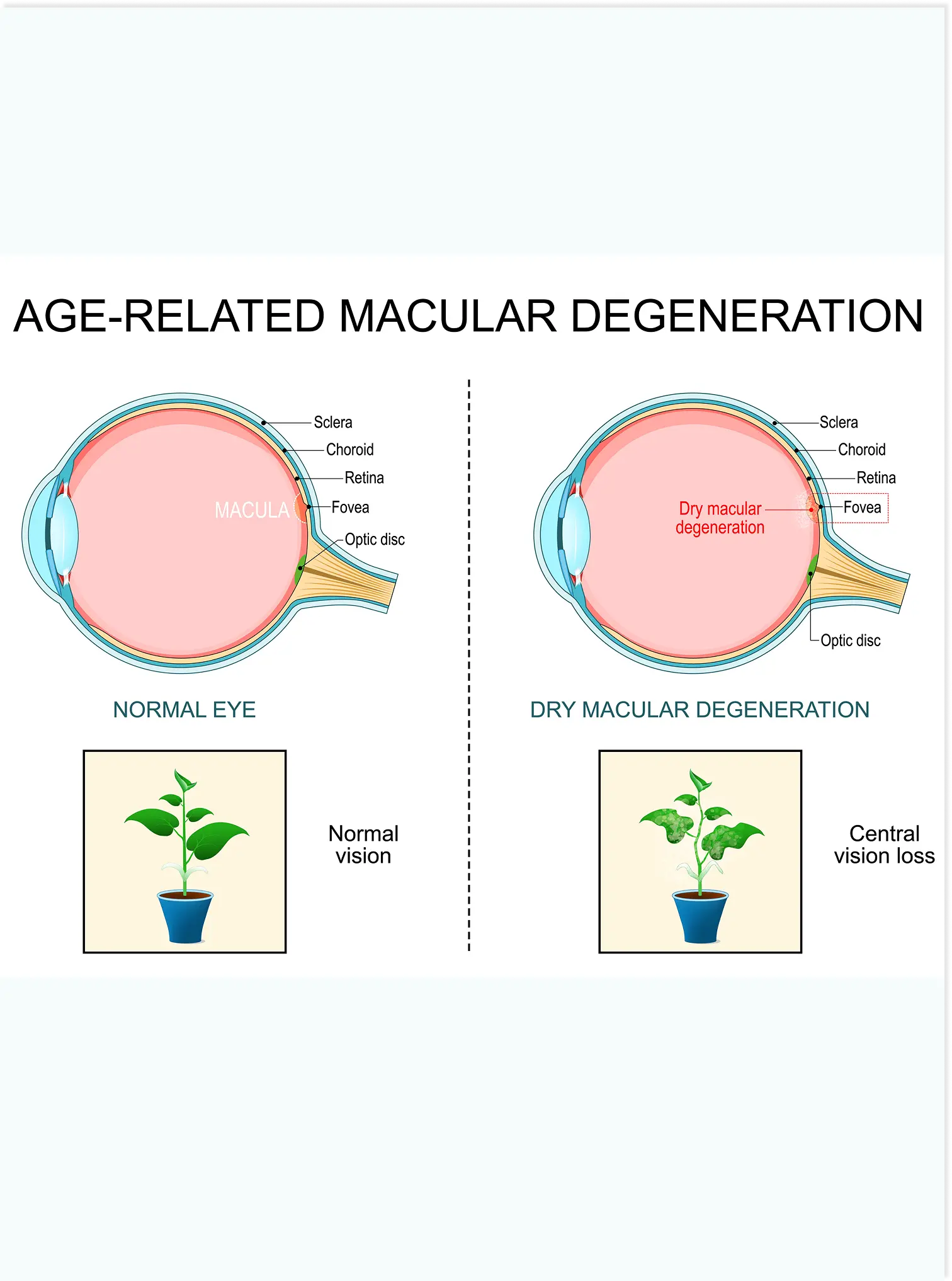
Dry Macular
Degeneration Treatment
Dry age-related macular degeneration (AMD) can gradually affect central vision, making routine activities such as reading and recognizing faces more difficult. Patients in Rockland County can visit phRETINA in nearby Nanuet, NY, for treatment of macular degeneration dry and understand their diagnosis, track retinal changes, and explore appropriate care options with Dr. Paul Hahn, MD, PhD, FASRS.
Dr. Hahn also holds leadership roles as part of the Executive Committee in line to be President of the American Society of Retina Specialists, the largest organization of retina specialists in the world.
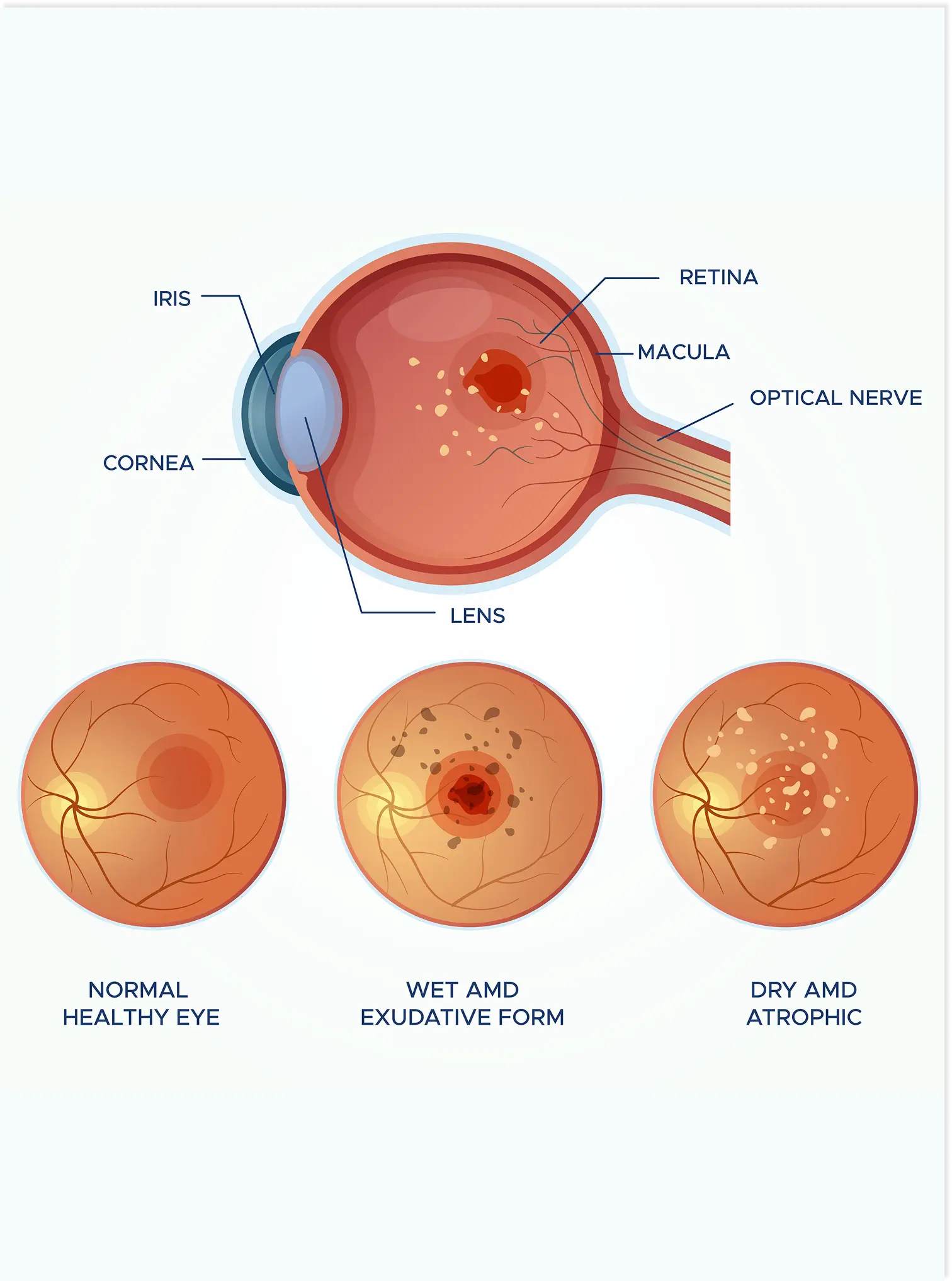
Understanding Dry AMD and Its Stages
Dry AMD occurs when age-related changes develop in the macula, the central part of the retina responsible for detailed vision.
Small deposits called drusen may accumulate beneath the retina, and retinal cells can gradually become damaged.
Dry AMD is commonly described in three stages:
- Early dry AMD: Drusen may be present without noticeable vision changes.
- Intermediate dry AMD: Larger or more numerous drusen and retinal pigment changes may develop, sometimes affecting vision in low light.
- Late dry AMD: Advanced changes, including geographic atrophy, can damage cells needed for central vision.
Dry AMD does not progress at the same rate in everyone. Regular assessment helps identify changes and determine whether additional monitoring or treatment is needed.
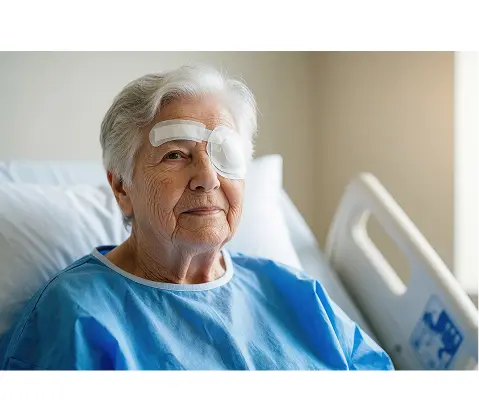
What Causes Dry Macular Degeneration?
Age is a major risk factor for dry AMD. Other factors associated with increased risk include family history, smoking, and certain cardiovascular risk factors. The condition develops through a combination of aging, genetics, and changes in retinal cells.
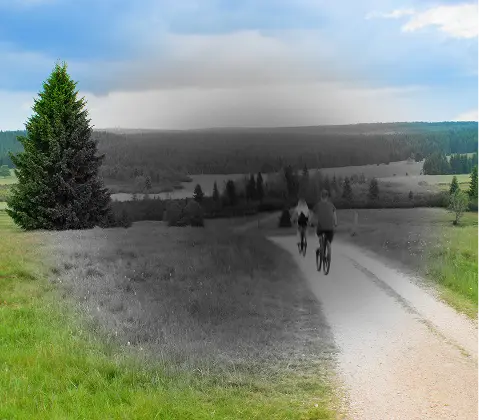
Symptoms can include blurred central vision, difficulty seeing in dim lighting, trouble reading small print, or needing brighter light for close-up tasks. Early dry AMD may cause no obvious symptoms, so an examination can be important even when vision seems normal.
How Dry AMD Is Diagnosed and Monitored
A retinal evaluation may include a dilated eye examination, vision testing, and imaging. Optical coherence tomography (OCT) provides detailed images of the retinal layers, helping the retina specialist assess drusen, tissue changes, and signs of progression.
For patients seeking a dry AMD diagnosis near Rockland County, these findings help establish the stage of the condition and guide follow-up recommendations.
Monitoring intervals depend on the retinal findings, symptoms, and risk of progression. Patients should report new distortion, blurred central vision, or sudden visual changes promptly, as these may require assessment for other retinal changes, including conversion to wet AMD.
Treatment Options for Dry Macular Degeneration
The appropriate approach depends on the stage of dry AMD and the condition of the retina. Although there is no single treatment that reverses all forms of dry AMD, several strategies may help support eye health and manage specific forms of the disease. Depending on the patient's findings, care may include:
Lifestyle and nutritional guidance:
Smoking cessation, a balanced diet, and advice about risk factors may support overall eye health.
AREDS2 supplements:
These may be recommended for certain patients with intermediate AMD or specific features of late AMD in one eye. They are not appropriate for everyone and do not prevent AMD from developing in people without the relevant findings.
Photobiomodulation:
Valeda treatment may be an option for eligible patients with certain forms of dry AMD. A retinal evaluation is needed to determine suitability.
Dr. Paul Hahn can explain which options are appropriate based on the diagnosis, retinal imaging, and individual needs. Learn more about macular degeneration care at phRETINA.
Specialized Dry AMD Care Near Rockland County
Dr. Paul Hahn is a board-certified, fellowship-trained retina specialist with more than 15 years of academic, clinical, and surgical experience.
He trained at Harvard University and the University of Pennsylvania before completing a vitreoretinal diseases and surgery fellowship at Duke University Eye Center.
He later served as an Assistant Professor at Duke, led more than 30 clinical trials, and authored over 100 peer-reviewed articles and book chapters.
At phRETINA, care focuses on understanding each patient's retinal condition, explaining the findings clearly, and developing a suitable plan for treatment and monitoring.

Frequently Asked Questions About Dry macular Degeneration
Schedule a Retinal Evaluation
If you have been diagnosed with dry AMD or are noticing changes in central vision, schedule an evaluation with Dr. Paul Hahn at phRETINA in nearby Nanuet, NY.