
Diabetic Retinopathy: Preventing Diabetic Eye Disease
- Home
- General

Diabetic Retinopathy: Preventing Diabetic Eye Disease
Diabetic eye disease is one of the leading causes of vision loss among adults, yet many complications can be prevented or managed through early detection and ongoing care.
Diabetic retinopathy develops when elevated blood sugar levels damage the small blood vessels within the retina. Regular monitoring and timely intervention can significantly reduce the risk of diabetic vision loss and other serious complications.
At phRETINA, our retina specialists work closely with patients to identify retinal changes early and develop personalized care plans that help protect vision throughout every stage of diabetes.
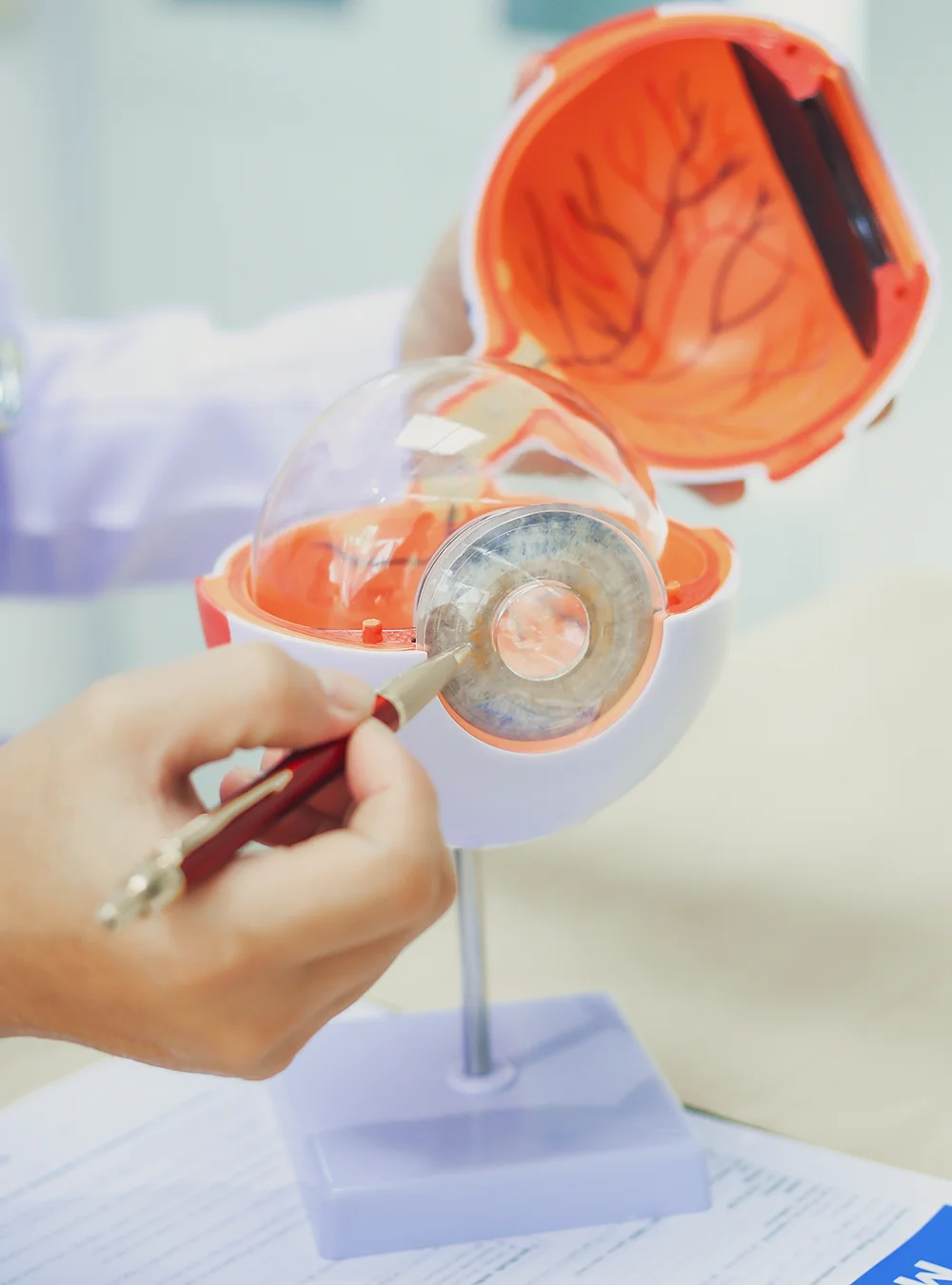
How Diabetes Affects Vision
Many patients ask whether diabetes can affect vision even when they are managing their condition appropriately. The answer is yes.
Over time, diabetes can damage blood vessels throughout the body, including those that nourish the retina. These changes may gradually affect retinal function and lead to diabetes-related eye problems if left untreated.
Potential Effects on Vision
- Blurred or fluctuating vision
- Difficulty focusing
- Dark spots or floaters
- Distorted central vision
- Progressive vision loss
Because retinal damage often develops before noticeable symptoms appear, routine diabetic eye examinations remain an essential part of diabetes management.



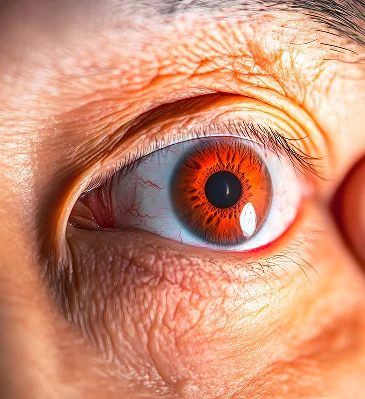

Understanding Diabetic Retinopathy
Diabetic retinopathy is the most common diabetic eye disease and one of the leading causes of preventable vision impairment.
The condition develops when prolonged exposure to elevated blood sugar damages the tiny blood vessels within the retina. As the disease progresses, blood vessels may leak fluid, become blocked, or stimulate abnormal new blood vessel growth.
Key Risk Factors
- Long duration of diabetes
- Poor blood sugar control
- High blood pressure
- Elevated cholesterol
- Kidney disease
- Smoking
Managing these risk factors can help slow disease progression and reduce the likelihood of vision-threatening complications.
Common Diabetes Eye Problems
Diabetes increases the risk of several retinal and eye conditions that may affect long-term vision if left untreated.
Diabetic Retinopathy
Damage to retinal blood vessels caused by diabetes.
Diabetic Macular Edema
Swelling of the macula caused by fluid leaking from damaged retinal blood vessels.
Cataracts
People with diabetes often develop cataracts earlier than those without diabetes.
Glaucoma
Diabetes increases the risk of glaucoma and optic nerve damage.


Warning Signs You Should Not Ignore
Diabetic eye disease may not produce noticeable symptoms during its early stages. However, certain vision changes should always prompt immediate evaluation.
Symptoms May Include
- Blurred vision
- New floaters
- Dark or empty spots in vision
- Difficulty reading
- Changes in color perception
- Sudden loss of vision
Patients experiencing any of these symptoms should seek prompt retinal evaluation to prevent further vision loss.
The Importance of a Diabetic Eye Exam
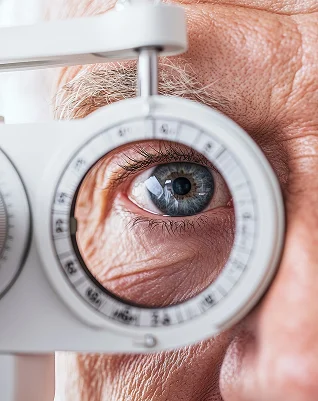
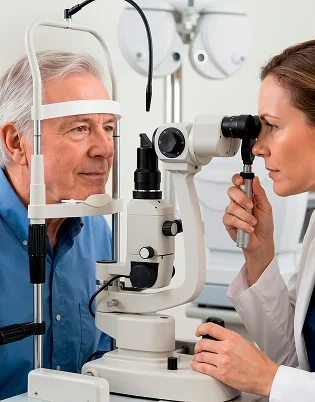
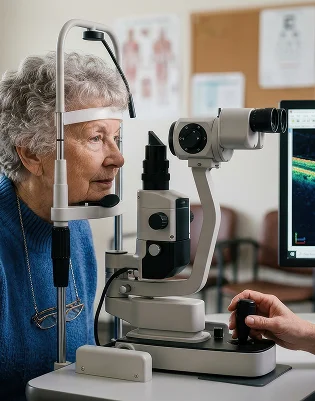
One of the most effective ways to prevent diabetic vision loss is through regular screening. A comprehensive diabetic eye examination allows retinal specialists to identify retinal changes before they begin to affect vision.
Because diabetic retinopathy often develops without noticeable symptoms, routine eye examinations remain essential even when vision appears normal.
Benefits of Regular Diabetic Eye Exams
- Early detection of retinal damage
- Identification of diabetic macular edema
- Monitoring of retinal blood vessels
- Timely treatment planning
- Long-term preservation of vision
At phRETINA, Dr. Paul Hahn utilizes advanced retinal imaging and state-of-the-art diagnostic technology to accurately evaluate retinal health and detect even subtle diabetic retinal changes.


How to Prevent Diabetic Vision Loss
Preventing diabetic vision loss requires a combination of good diabetes management, routine retinal monitoring, and healthy lifestyle choices.
Key Prevention Strategies
- Maintain healthy blood sugar levels
- Control blood pressure
- Manage cholesterol levels
- Avoid smoking
- Attend regular diabetic eye examinations
- Follow your retina specialist's treatment recommendations
- Maintain a healthy lifestyle
Patients who actively manage diabetes while participating in regular retinal monitoring often achieve better long-term visual outcomes.
When Diabetic Retinopathy Treatment Is Needed
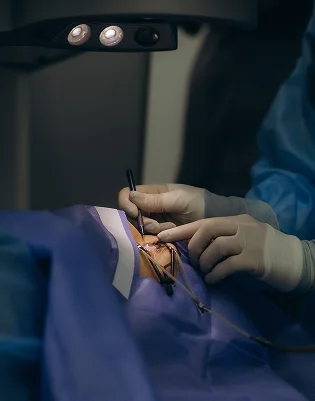
Although prevention is always the primary goal, some patients may develop diabetic retinal disease that requires medical or surgical treatment.
Treatment Options May Include
- Anti-VEGF injections
- Laser therapy
- Vitrectomy surgery for advanced disease
- Long-term retinal monitoring
- Advanced retinal imaging
The most appropriate treatment depends on the severity of diabetic retinopathy, retinal findings, and each patient's visual needs.
At phRETINA, Dr. Paul Hahn develops personalized treatment plans using detailed retinal imaging and evidence-based treatment strategies to achieve the best possible visual outcomes.
How phRETINA Helps Protect Vision
Preventing diabetic vision loss requires more than simply identifying retinal disease. It requires continuous monitoring, patient education, personalized care, and timely intervention whenever necessary.
Comprehensive Retinal Care
- Comprehensive diabetic retinal evaluations
- Advanced OCT retinal imaging
- Wide-field retinal photography
- Personalized monitoring schedules
- Long-term retinal health management
Our Goal
Our goal is to identify retinal changes as early as possible and help patients preserve their vision through every stage of diabetic eye care using evidence-based treatment recommendations and individualized follow-up plans.
Why Early Detection Matters
Early identification of diabetic retinopathy provides the greatest opportunity to preserve vision and reduce the risk of serious diabetic eye complications.
Benefits of Early Detection
- Reduces the risk of severe vision loss
- Allows earlier intervention
- Improves long-term visual outcomes
- Helps prevent diabetes-related blindness
- Supports lifelong retinal health
Many patients with early diabetic retinopathy have no noticeable symptoms, making routine retinal evaluations one of the most important steps in protecting vision.




When to Schedule an Evaluation
If you have diabetes, regular retinal evaluations are an essential part of protecting your vision—even if you are not currently experiencing symptoms.
Schedule an Eye Examination If You Experience
- Blurred or fluctuating vision
- Floaters
- Difficulty reading
- Distorted vision
- Changes in visual clarity
Even without symptoms, annual diabetic eye examinations remain one of the most effective ways to detect diabetic retinopathy early and preserve long-term vision.
Helpful Information for New and Returning Patients
Ready to Protect Your Vision from Diabetic Retinopathy?
Early detection is one of the most effective ways to prevent diabetic vision loss. Schedule a comprehensive diabetic retinal evaluation with our retina specialists to identify retinal changes early and receive personalized care designed to protect your vision for years to come.