Degenerative Myopia: Symptoms, Causes & Retinal Risks
- Home
- General
Degenerative Myopia
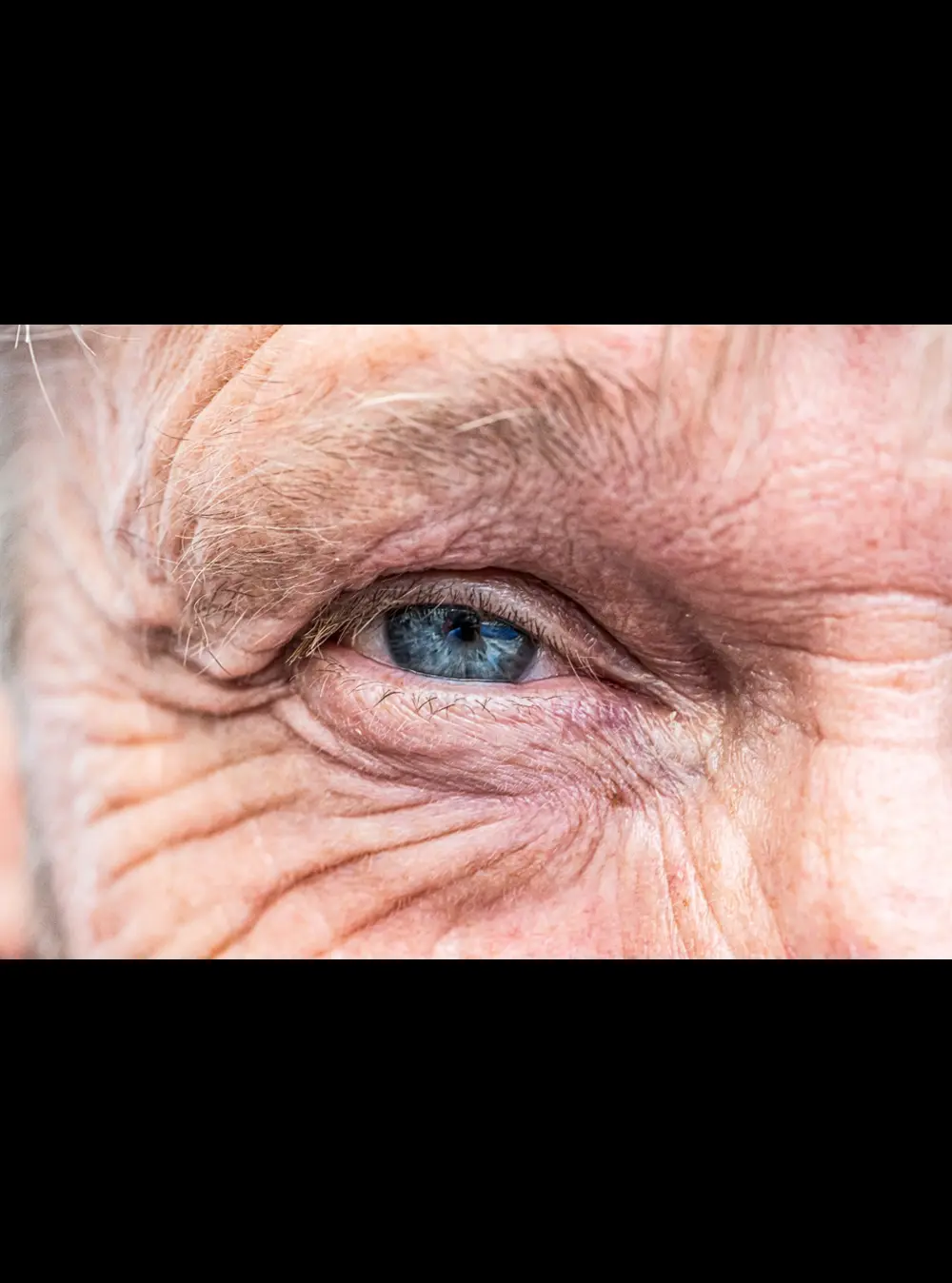
Degenerative myopia is an advanced form of high myopia in which excessive elongation of the eye can cause progressive changes to the retina and other structures at the back of the eye. Unlike ordinary nearsightedness, degenerative myopia can involve structural changes that affect retinal health. These may include retinal thinning from myopia, stretching of the tissues at the back of the eye, and changes involving the macula.
High myopia is usually defined as -6.00 diopters or more, but prescription alone doesn’t indicate retinal risk. Structural changes from high myopia can raise the risk of vision complications, so regular retinal exams are important.

What Causes Degenerative Myopia?
The exact degenerative myopia causes are complex and may involve both genetic and environmental factors. The main structural change is excessive elongation of the eyeball. As the eye becomes longer, the retina and tissues at the back of the eye can become stretched and thinner.
Factors associated with myopia include:
- Family history of myopia
- Developing significant myopia at a young age
- Progressive increase in the degree of myopia
- Genetic factors
- Environmental influences
Not everyone with high myopia develops degenerative changes. A retinal examination is needed to determine whether structural complications are present.
What Are the Symptoms of Degenerative Myopia?
Degenerative myopia symptoms can vary depending on the retinal changes that develop. Some people may have no noticeable symptoms in the early stages. Others may experience:
You may experience:
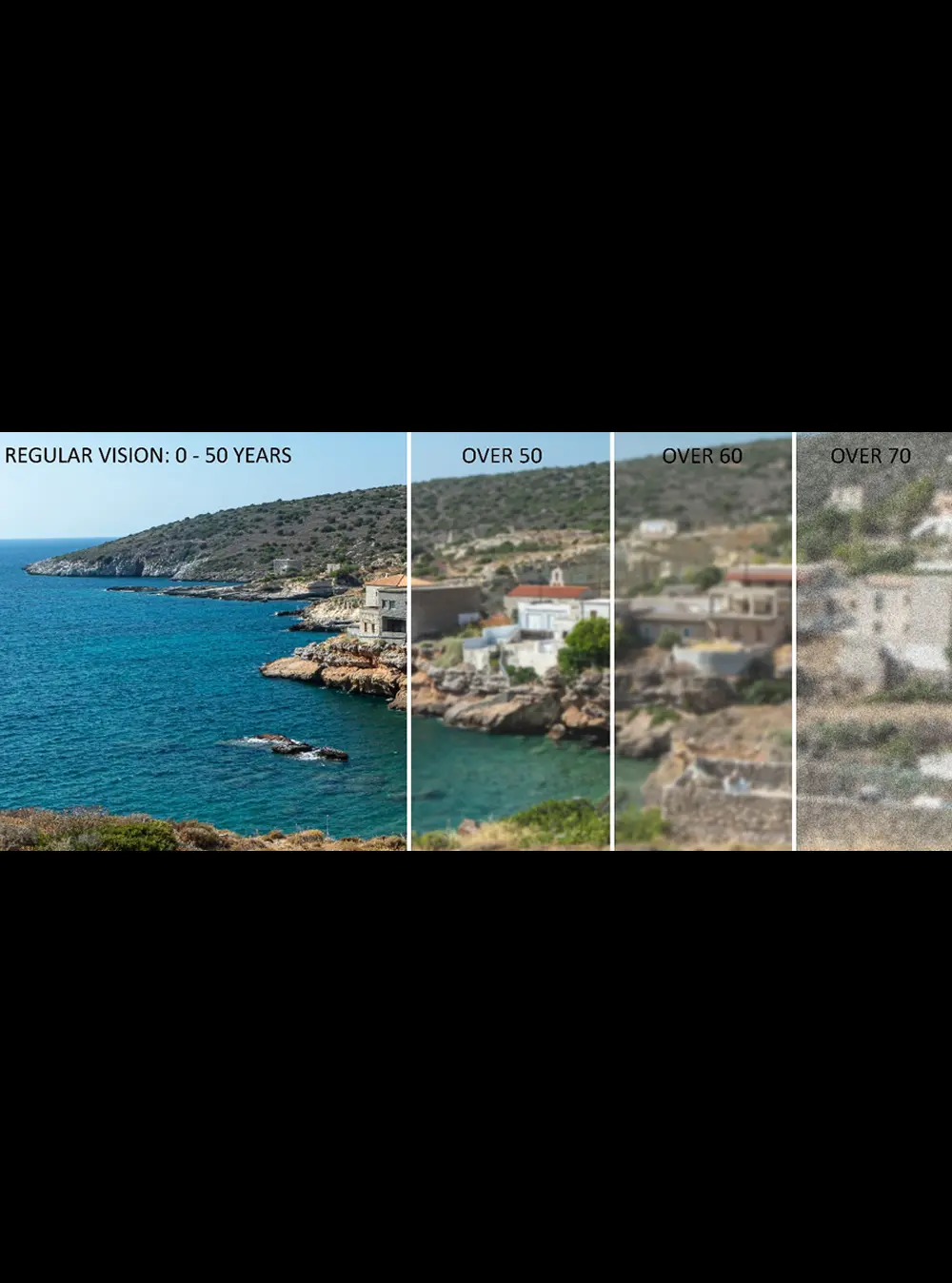
- Blurred or reduced vision
- Difficulty seeing fine details
- Distorted central vision
- Straight lines appearing wavy
- New or increasing floaters
- Flashes of light
- A dark or missing area in central vision
- Difficulty seeing in low-light conditions
A sudden change in vision should not be assumed to be simply a change in your glasses prescription. New symptoms can sometimes indicate a retinal complication requiring prompt evaluation.

How Does Degenerative Myopia Affect the Retina?
The stretching associated with high myopia can cause the retina to become thinner and more vulnerable to structural changes. These changes may affect different parts of the retina. When the macula is involved, the condition may be described as myopic maculopathy.
When blurred or distorted vision begins to interfere with reading, driving, or other daily activities, surgery may offer the best opportunity to improve visual function.Myopic maculopathy can include changes such as retinal thinning, scarring, or abnormal blood vessel growth. These changes can interfere with central vision. Other complications associated with high myopia may include retinal tears, retinal detachment, and macular problems.
Degenerative Myopia and Macular Degeneration
Degenerative myopia macular degeneration can sometimes be used to describe macular changes associated with severe myopia, but it is important to distinguish myopic macular damage from age-related macular degeneration (AMD).
They are different conditions with different underlying causes.
In degenerative myopia, structural changes are related primarily to the elongation of the eye and associated retinal stretching. A retina specialist can determine whether vision changes are related to myopic macular changes, AMD, or another retinal condition.
Can Degenerative Myopia Cause Blindness?
A common concern is, can degenerative myopia cause blindness?
Severe myopia can increase the risk of serious retinal complications and, in some cases, significant permanent vision loss. However, having degenerative myopia does not mean that blindness is inevitable.
The risk depends on the retinal changes present and whether complications such as myopic maculopathy, abnormal blood vessel growth, retinal tears, or retinal detachment develop. Regular retinal monitoring can help identify changes before they result in more extensive damage.
How Is Degenerative Myopia Diagnosed?
A degenerative myopia diagnosis involves more than checking your glasses prescription. Your retina needs to be examined for structural changes and possible complications.
Dilated Eye Examination
Dilating the pupils allows the retina specialist to examine the peripheral and central retina for thinning, tears, bleeding, scarring, or other abnormalities.
OCT Imaging
Optical coherence tomography (OCT) creates detailed cross-sectional images of the retina. It can help identify changes involving the macula, retinal thinning, fluid, and other structural abnormalities.
Wide-Field Retinal Imaging
Wide-field imaging can provide a broader view of the retina and may help document peripheral retinal changes.
Additional Testing
Depending on your findings, additional retinal imaging or other tests may be recommended to evaluate suspected complications.
How Is Degenerative Myopia Treated?
There is currently no treatment that reverses the underlying elongation of the eye caused by degenerative myopia. Instead, treatment focuses on managing specific complications and protecting vision.
Treatment for Abnormal Blood Vessel Growth
Some patients develop abnormal blood vessels beneath the retina, which can leak fluid or blood and affect central vision.
Anti-VEGF injections may be used to treat these abnormal vessels when appropriate.
Treatment for Retinal Tears or Detachment
If a retinal tear develops, laser treatment or another procedure may be recommended to reduce the risk of progression to retinal detachment.
If a retinal detachment occurs, surgery may be required to repair the retina.
Monitoring
Patients without an active complication may be monitored with regular retinal examinations and imaging.
The appropriate follow-up schedule depends on your retinal findings and individual risk factors.

Can Degenerative Myopia Be Prevented?
There is no guaranteed way to prevent degenerative changes once significant structural high myopia has developed.
For people with high myopia, the focus is on maintaining regular eye examinations, recognizing warning signs, and addressing retinal complications as early as possible.
If your prescription has changed significantly or you have been diagnosed with high myopia, our eye doctor may recommend periodic retinal evaluations.
When Should You See a Retina Specialist?
People with high or degenerative myopia should have their retinal health monitored regularly, particularly if they have previously experienced retinal complications.
Seek prompt medical attention if you notice:
- Sudden flashes of light
- A sudden increase in floaters
- A dark shadow or curtain across your vision
- Sudden loss of vision
- New distortion or wavy vision
- A new dark or missing area in your central vision
These symptoms can indicate a retinal tear, retinal detachment, or another complication that requires urgent assessment.

Why Choose Dr. Paul Hahn?
Dr. Paul Hahn, MD, PhD, FASRS, is a board-certified retina specialist with extensive experience treating retinal diseases.
He is fellowship-trained in vitreoretinal surgery and has more than 9 years of surgical experience in retina care. Dr. Hahn has also led more than 30 clinical trials with over 100 publications in retinal disease treatment.
At phRETINA in Nanuet, NY, he combines advanced retinal diagnostics with evidence-based treatment and individualized care. His clear and respectful approach helps patients understand their retinal condition and available treatment options.
Conclusion
Degenerative myopia is an advanced form of high myopia that can cause structural changes to the retina as the eye becomes excessively elongated. Retinal thinning, myopic maculopathy, abnormal blood vessel growth, retinal tears, and retinal detachment are among the complications that may affect people with severe myopia.
Not everyone with high myopia will develop these problems. Regular retinal examinations are important for detecting structural changes and managing complications early. If you have high myopia or notice a sudden change in your vision, a comprehensive retinal evaluation can help determine the health of your retina and whether further monitoring or treatment is needed.
Frequently Asked Questions
Concerned About High Myopia or Changes in Your Vision?
Schedule a comprehensive retinal evaluation today.