
The macula is the central portion of the retina responsible for detailed vision used for reading, driving, and recognizing faces. When scar-like tissue develops on the surface of the macula, it can create distortion and affect visual clarity. This condition is known as macular puckering.
Although some cases remain mild, others may significantly interfere with daily activities. Understanding macular puckering, its causes, and associated risk factors can help patients recognize symptoms early and seek appropriate retinal care.
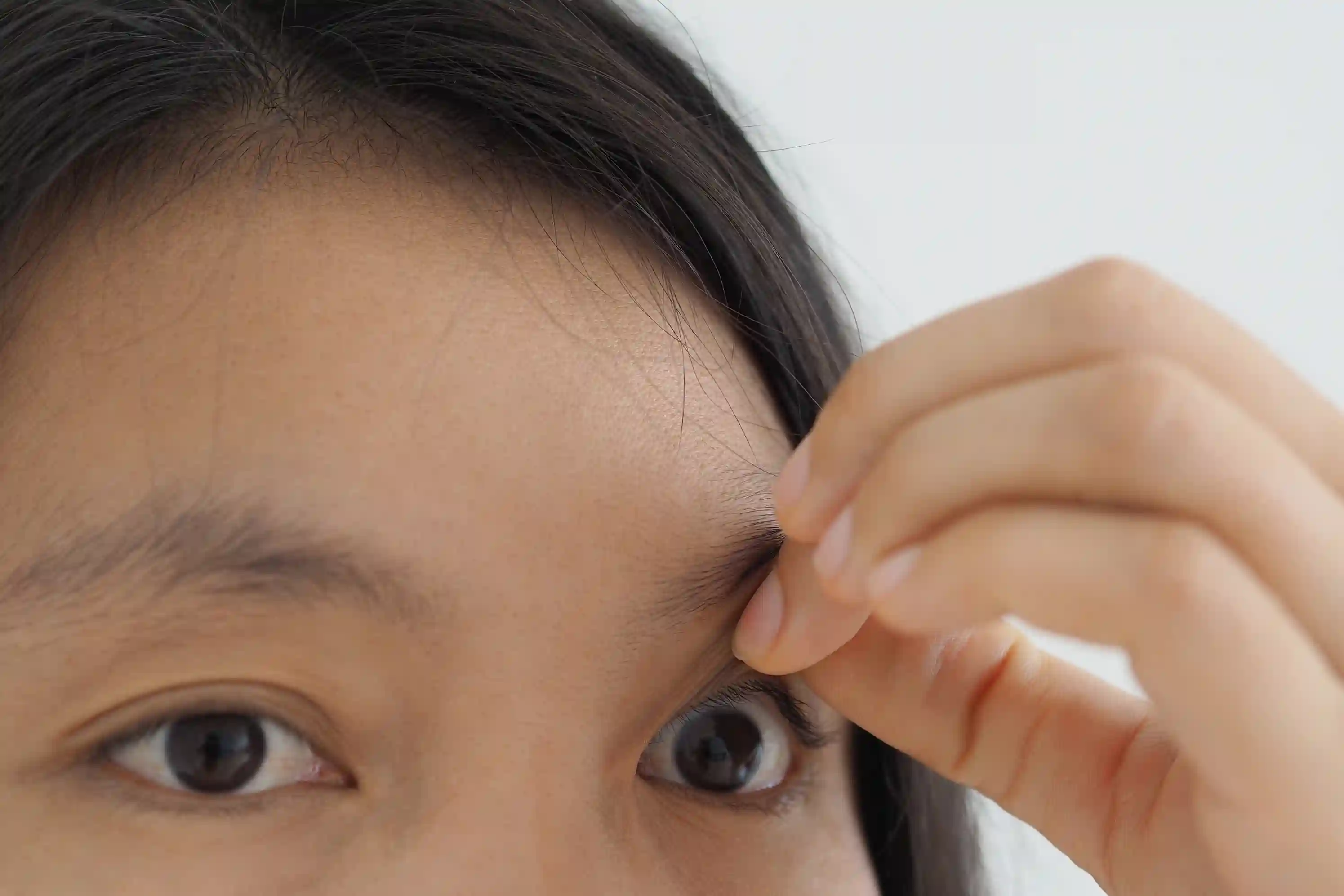
What Is Macular Puckering?
Macular puckering occurs when a thin layer of scar tissue forms over the macula. As this tissue contracts or wrinkles, it can distort the retina and interfere with central vision.
Patients with macular puckering may notice:
- Blurred central vision
- Distorted or wavy lines
- Difficulty reading
- Trouble focusing on fine details
The condition is also commonly referred to as an epiretinal membrane.
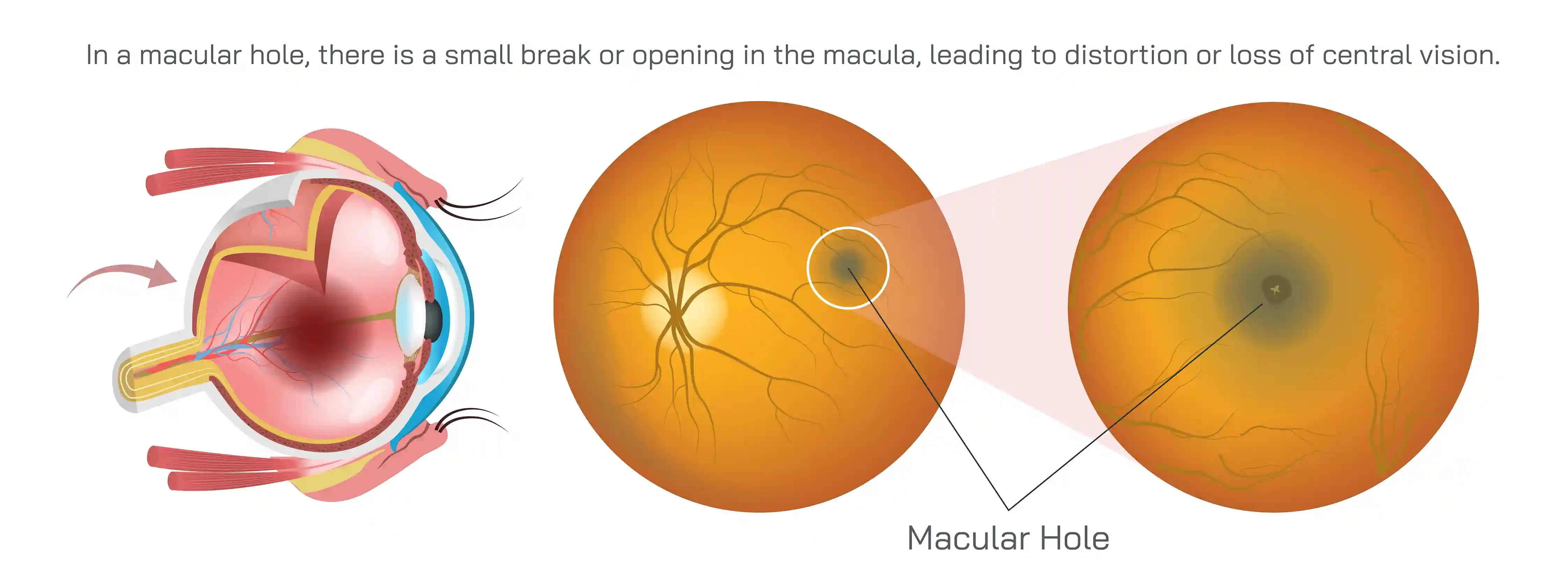
How Does Macular Puckering Develop?
In many cases, macular puckering develops because of natural age-related changes inside the eye.
The vitreous gel that fills the eye gradually changes over time and may pull away from the retina. During this process, microscopic damage to the retinal surface can occur, stimulating scar tissue formation.
As the tissue slowly contracts, the macula may wrinkle or become distorted, leading to visual symptoms.
Understanding what causes macular pucker often begins with understanding these vitreous changes.
Common Macular Pucker Causes
Several conditions and factors may contribute to macular pucker causes.
Aging Changes in the Eye
The most common reason for macular puckering is age-related vitreous separation. This process becomes more common after age 50 and may lead to scar tissue formation on the retina.
Retinal Tears or Detachment
Previous retinal injuries may increase the risk of developing scar tissue over the macula.
Patients with a history of retinal tears or retinal detachment may later develop macular puckering due to healing changes on the retinal surface.
Diabetic Retinopathy
Diabetes can affect retinal blood vessels and contribute to inflammation or scar tissue formation.
In some individuals, diabetic retinal disease may increase the likelihood of macular puckering and other retinal complications.
Eye Inflammation
Inflammatory conditions inside the eye may also contribute to scar tissue development.
Inflammation can stimulate cellular changes that affect the retinal surface and increase the risk of epiretinal membrane formation.
Previous Eye Surgery or Trauma
Eye surgery or injury may alter the retinal surface and contribute to scar tissue development.
Patients with a history of retinal surgery, cataract surgery complications, or ocular trauma may face a higher risk of macular puckering.
Macular Pucker Symptoms
Symptoms can vary depending on the severity of retinal distortion.
Common macular pucker symptoms include:
- Blurry central vision
- Straight lines appearing bent or wavy
- Difficulty reading small print
- Distorted facial features
- Reduced sharpness of vision
In mild cases, symptoms may remain stable for long periods. More advanced macular puckering can significantly interfere with daily activities.
Who Is Most at Risk?
Several factors may increase the likelihood of developing macular puckering.
Risk factors include:
- Age over 50
- Diabetes
- Previous retinal conditions
- Eye inflammation
- Retinal vascular disease
- Prior eye surgery
While not everyone with these risk factors develops the condition, regular retinal monitoring can help identify early changes.
Can Macular Puckering Worsen Over Time?
In some patients, symptoms remain mild and stable. In others, scar tissue may gradually tighten and increase retinal distortion.
As macular puckering progresses, vision may become increasingly blurred or distorted. Activities such as reading, driving, or recognizing faces may become more difficult.
Monitoring changes in symptoms is important for determining whether treatment may be necessary.
How Is Macular Puckering Diagnosed?
A comprehensive retinal examination is needed to diagnose the condition accurately.
A retina specialist may perform:
- Dilated retinal examination
- Optical coherence tomography (OCT)
- Retinal imaging
These tests help evaluate retinal distortion, scar tissue formation, and overall macular health.
Treatment Options for Macular Puckering
Not all patients require immediate treatment.
Mild cases of macular puckering may simply be monitored over time. However, when vision becomes significantly affected, surgery may be recommended.
Vitrectomy surgery with membrane peeling is commonly performed to remove scar tissue from the retinal surface and reduce distortion.
Treatment recommendations depend on symptom severity and the degree of retinal involvement.
Why Early Evaluation Matters
Patients sometimes delay care because symptoms develop gradually.
However, persistent distortion, blurred central vision, or worsening macular pucker symptoms should be evaluated promptly. Early monitoring allows specialists to assess progression and discuss treatment options before vision becomes severely affected.
Understanding macular puckering and its warning signs can help patients seek care at the appropriate time.
Why Regular Retinal Exams Matter
Many retinal conditions progress slowly before symptoms become obvious.
Routine retinal examinations can help identify early structural retinal changes, especially in patients with diabetes, retinal vascular disease, or prior retinal conditions.
Regular monitoring helps detect macular puckering early and supports long-term retinal health.
The Bottom Line
Macular puckering occurs when scar tissue forms on the surface of the macula, leading to retinal distortion and changes in central vision.
Understanding what causes macular pucker, recognizing common macular pucker symptoms, and identifying risk factors can help patients seek timely retinal evaluation.
While some cases remain mild, others may progress and interfere with daily activities. Early diagnosis and regular retinal monitoring remain important for protecting long-term vision.
Expert Retina Care Matters
At phretina, we provide personalized evaluation and treatment for many retinal conditions, with an emphasis on protecting vision for years to come.
If you notice blurred or distorted central vision, prompt retinal evaluation can help determine whether macular puckering or another retinal condition may be affecting your sight.
Frequently Asked Questions
-
What is macular puckering?
Macular puckering occurs when scar tissue forms on the surface of the macula, causing distortion and blurred central vision. -
What causes macular pucker?
Common macular pucker causes include aging-related vitreous changes, retinal tears, diabetic retinopathy, inflammation, and previous eye surgery. -
What are common macular pucker symptoms?
Macular pucker symptoms often include blurry central vision, distorted lines, difficulty reading, and reduced visual clarity. -
Can macular puckering be treated?
Yes. Mild cases may only require monitoring, while more advanced cases may be treated with vitrectomy surgery and membrane peeling.