Your eyes depend on a steady, uninterrupted blood supply to function properly. The retina, located at the back of the eye, relies on a network of delicate retinal blood vessels to deliver oxygen and nutrients. When these vessels are damaged, blocked, or weakened, vision is directly affected. This group of conditions is known as retina vascular disease.
Retina vascular disease is not a single condition. It is a category that includes multiple retinal vascular conditions that impact how blood flows through the eye. Some develop gradually, while others occur suddenly and require urgent care.
Why Blood Supply to the Retina Matters
The retina is one of the most metabolically active tissues in the body. It constantly processes light and converts it into signals for the brain. To do that efficiently, it needs a stable blood supply to the retina.
When blood flow is disrupted, even briefly, retinal cells begin to suffer. Unlike other tissues, these cells are highly sensitive and do not regenerate easily. This is why vascular eye problems can quickly lead to vision damage.
The veins in the eye and arteries work together to maintain this balance. Arteries bring oxygen-rich blood in, while veins carry waste products away. If either system is compromised, the entire visual process is affected.
Common Types of Retina Vascular Disease
There are several forms of retina vascular disease, each affecting the retinal blood vessels differently.
Diabetic Retinopathy
This is one of the most common retinal vascular conditions. High blood sugar damages the small blood vessels over time, leading to leakage, swelling, or abnormal new vessel growth. Diabetic retinopathy symptoms may include blurry vision, floaters, and gradual vision changes.
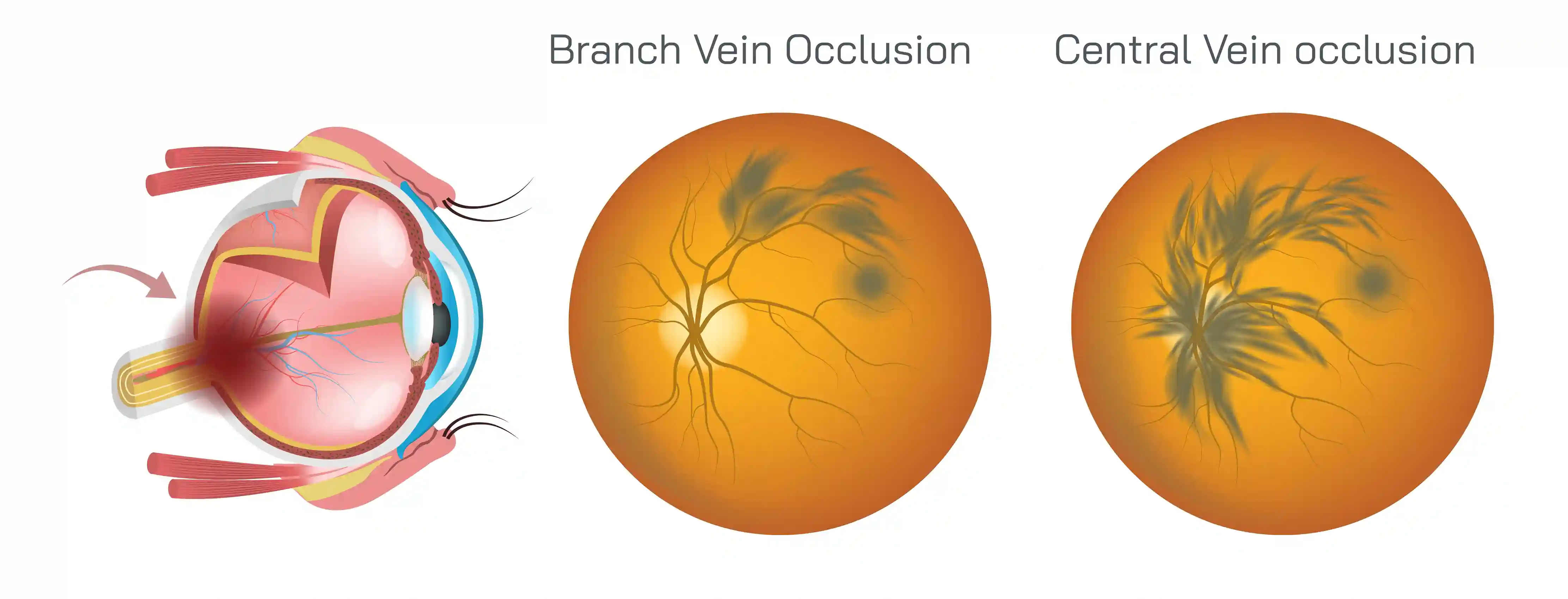
Retinal Vein Occlusion
This occurs when a vein in eye becomes blocked. The blockage prevents proper drainage of blood, leading to swelling and hemorrhage. It is often linked to high blood pressure or clotting disorders.
Retinal Artery Occlusion
This is a more sudden and severe condition. It happens when an artery supplying the retina becomes blocked. Retinal artery occlusion causes include blood clots, cholesterol plaques, or cardiovascular disease. Vision loss is often sudden and painless.
Other Vascular Changes
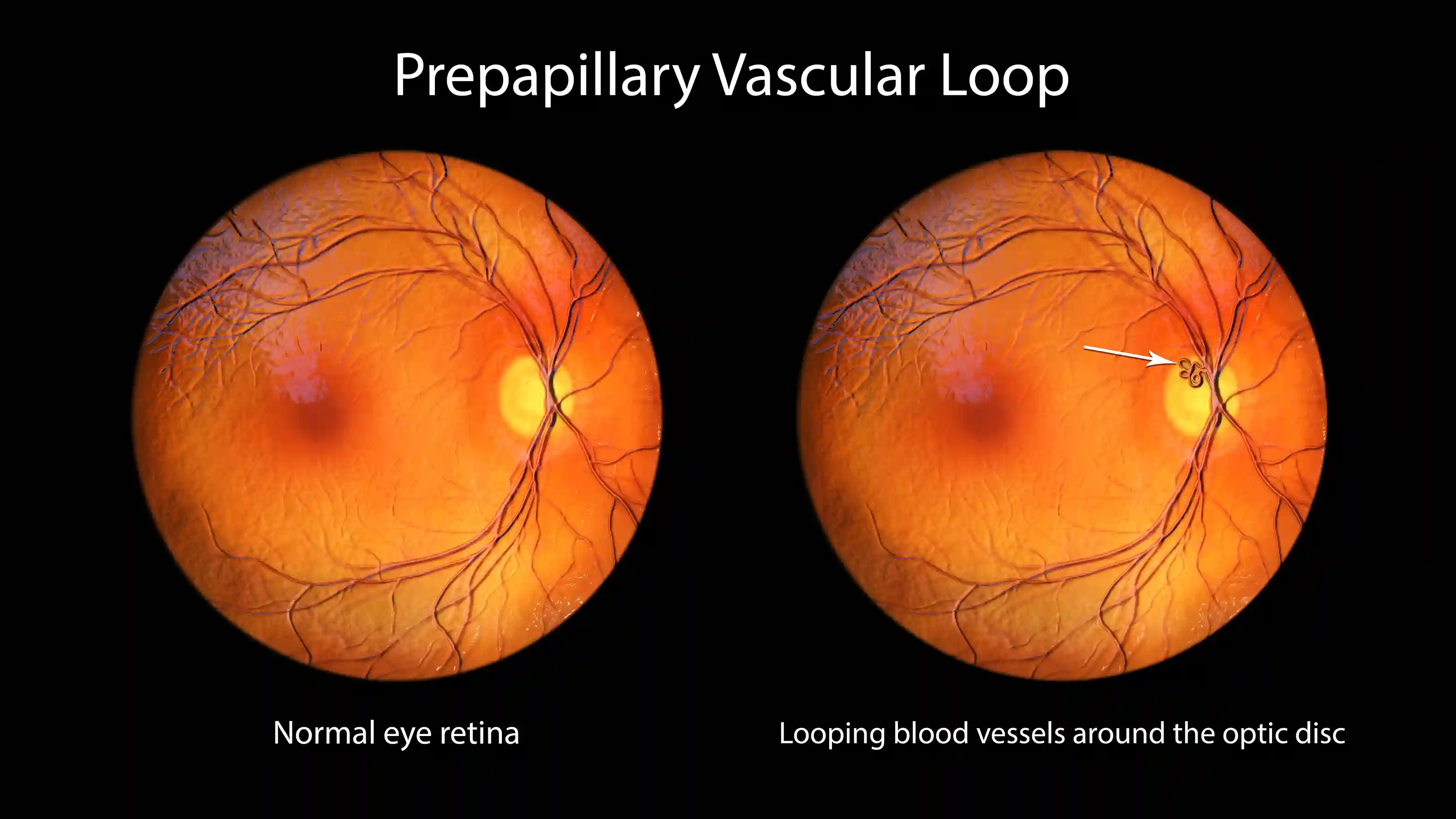
In some cases, abnormal vessel patterns such as ghost vessels eye can develop. These are inactive or damaged vessels that no longer carry blood effectively but remain visible during examination.
Symptoms of Vascular Eye Problems
Symptoms of retina vascular disease can vary depending on the condition and severity. Some develop slowly, while others appear suddenly.
Common symptoms include:
- Blurry or reduced vision
- Sudden vision loss in one eye
- Floaters or dark spots
- Distorted vision
- Partial loss of central or peripheral vision
In conditions like blocked blood vessels in eye, vision changes may occur rapidly. This is why sudden symptoms should always be treated as urgent.
What Causes Retinal Blood Vessel Damage
Several systemic health conditions contribute to retina vascular disease. The eye often reflects what is happening in the rest of the body.
Key risk factors include:
- Diabetes
- High blood pressure
- High cholesterol
- Smoking
- Cardiovascular disease
These factors weaken or block the retinal blood vessels, leading to reduced oxygen supply and tissue damage. Over time, repeated stress on the vessels leads to progressive retinal issues.
How Retina Vascular Disease Is Diagnosed
A detailed eye examination is required to identify vascular eye conditions. Eye specialists use advanced imaging to study the retinal blood vessels and detect abnormalities.
Common diagnostic tools include:
- Dilated eye examination
- Optical coherence tomography
- Fluorescein angiography
- Retinal photography
These tests allow doctors to evaluate the blood supply to the retina, identify blockages, and assess damage to the tissue.
Treatment Options for Retinal Vascular Conditions
Treatment depends on the specific type of retina vascular disease and its severity.
Options may include:
- Anti-VEGF injections to reduce swelling and abnormal vessel growth
- Laser therapy to seal leaking vessels
- Medications to manage underlying conditions like diabetes or hypertension
- Surgical procedures in advanced cases
Managing the root cause is just as important as treating the eye itself. Without controlling systemic conditions, vascular damage may continue.
Why Early Detection Matters
Retina vascular disease often develops silently. Many patients do not notice symptoms until significant damage has already occurred. Regular eye exams are essential, especially for individuals with diabetes or high blood pressure.
Early detection allows for timely treatment and can prevent severe vision damage. Once retinal cells are lost, they cannot be fully restored.
The Bigger Picture
Your vision is closely tied to your vascular health. The retinal blood vessels are small, but their role is critical. When they are affected, the impact on sight can be immediate and lasting.
Retina vascular disease is not just an eye problem. It is often a sign of broader health issues affecting the entire body. Paying attention to vision changes, managing risk factors, and seeking regular eye care can protect both your eyesight and overall health.
If your vision suddenly changes or seems off, do not ignore it. The eyes often reveal what the body is struggling to manage.
FAQs
- What is retina vascular disease and how does it affect vision?
Retina vascular disease refers to conditions that affect the retinal blood vessels, disrupting blood flow and leading to blurry vision, distortion, or sudden vision loss. - What are the common symptoms of retina vascular disease?
Common symptoms of retina vascular disease include blurred vision, floaters, distorted vision, and sudden loss of sight due to blocked blood vessels in the eye. - What causes retina vascular disease?
Retina vascular disease is often caused by diabetes, high blood pressure, high cholesterol, and other conditions that damage or block the retinal blood vessels. - How is retina vascular disease diagnosed?
Retina vascular disease is diagnosed through a detailed eye exam, including imaging tests that evaluate the retinal blood vessels and blood supply to the retina. - Can retina vascular disease be treated?
Yes, retina vascular disease can be treated with injections, laser therapy, or surgery, along with managing underlying health conditions to prevent further vision damage.