
A macular hole is a small opening that develops in the macula, the central part of the retina responsible for sharp, detailed vision. As the hole enlarges, patients may experience blurred central vision, distorted images, and difficulty performing everyday activities such as reading or recognizing faces.
When symptoms begin affecting daily life, your retina specialist may recommend macular hole eye surgery. Understanding the procedure, recovery process, and expected outcomes can help patients feel more confident as they prepare for treatment.
What Is a Macular Hole?
The macula is responsible for central vision and fine visual detail. A macular hole develops when traction from the vitreous gel pulls on the macula, creating a defect in the retinal tissue.
Common symptoms include:
- Blurred central vision
- Distorted or wavy lines
- Difficulty reading
- Trouble recognizing faces
- A dark or missing spot in central vision
Not every macular hole requires immediate intervention, but larger or progressive holes often benefit from macular hole eye surgery.
When Is Macular Hole Eye Surgery Recommended?
Most holes are abnormal and would benefit from surgery to repair. In particular, your retina specialist may recommend macular hole eye surgery when:
- Vision is affected
- Vision continues to worsen
- The hole is enlarging
- Daily activities become difficult
- Imaging shows progression
Early treatment generally offers a better chance of successful closure and visual improvement.
Preparing for Surgery
Before macular hole eye surgery, your retina specialist will perform a comprehensive retinal evaluation.
This may include:
- Dilated retinal examination
- Optical coherence tomography (OCT)
- Visual acuity testing
- Medical history review
These tests help determine the size and stage of the hole and guide treatment planning.
These tests help determine the size and stage of the hole and guide treatment planning.

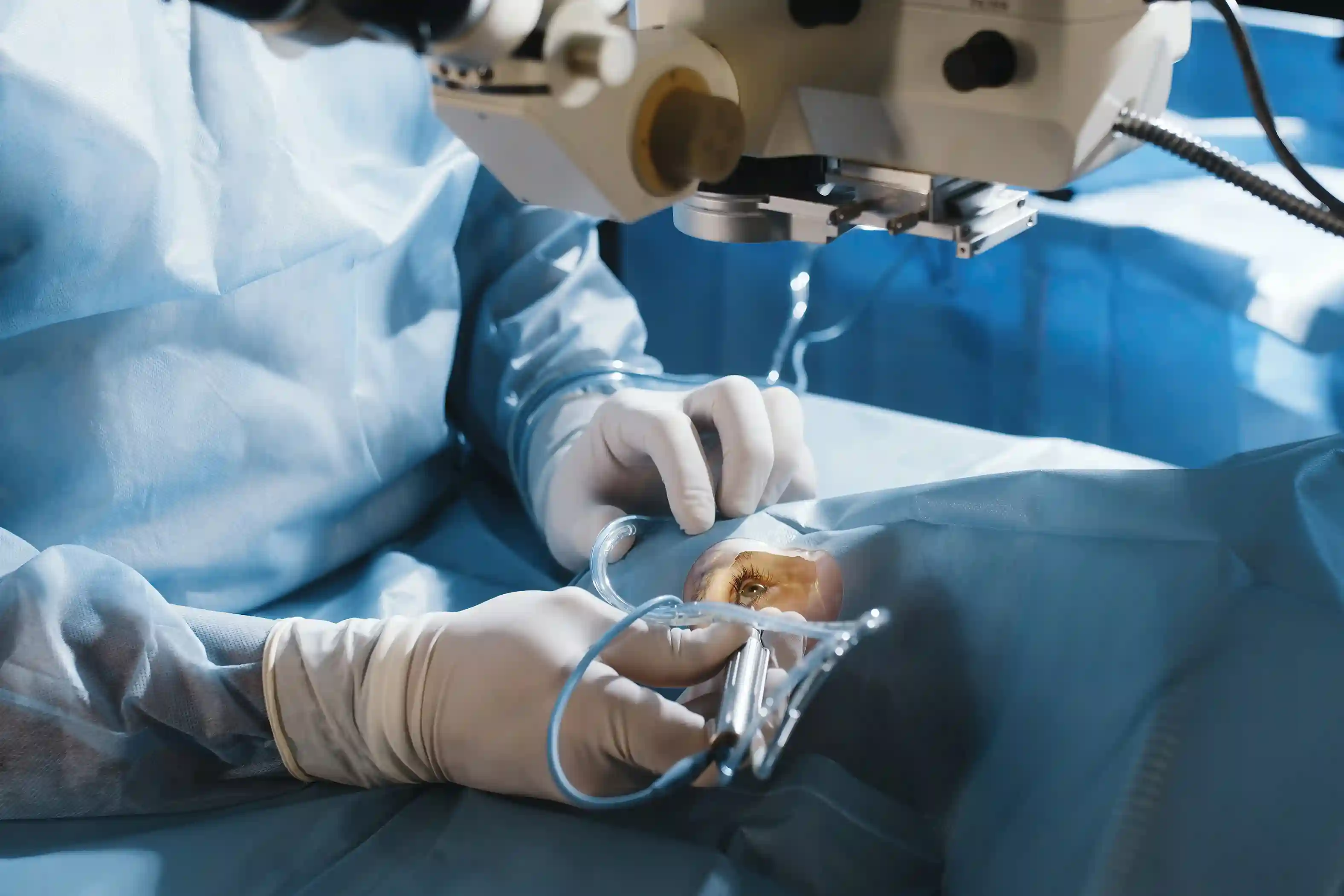
What Happens During Surgery?
The most common procedure performed for a macular hole is vitrectomy surgery for macular hole repair.
During surgery:
Removal of the Vitreous
The vitreous gel is carefully removed from the eye to eliminate traction on the macula.
Membrane Peeling
A delicate membrane on the retinal surface may be peeled to help the hole close more effectively.
Gas Bubble Placement
A temporary gas bubble is placed inside the eye to gently press against the macula and support healing.
Most macular hole eye surgery procedures are completed on an outpatient basis, allowing patients to return home the same day.
What to Expect Immediately After Surgery
Following macular hole in eye surgery, vision is often blurry at first.
Patients may notice:
- Mild discomfort
- Temporary redness
- Light sensitivity
- Distorted vision while the gas bubble remains present
These symptoms are usually expected and improve as healing progresses.
Your retina specialist will provide detailed instructions regarding medications, activity restrictions, and follow-up visits.
Face-Down Positioning
Some patients may be asked to maintain a face-down position for a period after surgery.
This positioning helps keep the gas bubble in contact with the macula and can improve the likelihood of successful healing.
The exact duration varies depending on the size and characteristics of the hole.
Dr Hahn employs specialized surgical techniques that can minimize or eliminate the need for postoperative face-down positioning under many circumstances.
Recovery From Macular Hole Surgery
Recovery from macular hole surgery occurs gradually over several weeks to months.
Most patients experience:
- Slow improvement in central vision
- Reduced distortion
- Improved visual clarity over time
Because retinal tissue requires time to heal, visual recovery is often slower than patients expect.
Regular follow-up appointments allow your retina specialist to monitor healing and ensure the hole is closing properly.
Can You Read After Macular Hole Surgery?
Many patients ask, can you read after macular hole surgery?
Reading may be difficult immediately after surgery, particularly while the gas bubble remains inside the eye.
As healing progresses and the bubble dissolves, many patients experience gradual improvement in reading ability. The extent of visual recovery depends on factors such as hole size, duration before treatment, and overall retinal health.

How to Eat and Other Activities After Macular Hole Surgery
Patients frequently wonder how to eat after macular hole surgery, especially if face-down positioning is required.
Most individuals can continue eating normally. Looking down at your plate of food approaches a face-down position. For other activities, adjustments such as using elevated surfaces or modified seating positions may make certain activities more comfortable during recovery.
Your surgeon will provide individualized recommendations based on your post-operative instructions.
Macular Hole Surgery Success Rate
The macular hole surgery success rate is generally very high. Routine holes can expect >95% closure rate.
Modern surgical techniques successfully close most macular holes, particularly when treatment occurs before significant retinal damage develops.
Factors that influence outcomes include:
- Size of the hole
- Duration of symptoms
- Patient compliance with recovery instructions
- Overall retinal health
While surgery often improves vision, the degree of visual recovery varies among patients.
Macular Hole Post Surgery: When to Call Your Doctor
Contact your retina specialist immediately if you experience:
- Severe eye pain
- Significant vision loss
- Increasing redness
- New flashes of light
- Sudden increase in floaters
Although complications are uncommon, prompt evaluation is important if concerning symptoms develop during the macular hole post-surgery period.
Why Early Treatment Matters
Delaying treatment can allow the hole to enlarge, making closure more challenging.
Early diagnosis and timely macular hole eye surgery often provide the best opportunity for preserving and improving central vision.
Conclusion
Macular hole eye surgery is an effective treatment that can help restore vision and prevent further visual decline. Understanding what happens before, during, and after surgery allows patients to prepare for the procedure and recovery process with confidence.
Although healing takes time, many individuals experience meaningful improvements in vision following treatment. Early diagnosis, appropriate surgical care, and careful follow-up remain essential for achieving the best possible outcome.
Expert Retina Care Matters
At phRETINA, in Nanuet, NY, Dr. Paul Hahn provides specialized diagnosis and treatment for macular holes and other complex retinal conditions.
If you have been diagnosed with a macular hole or are experiencing changes in your central vision, a comprehensive retinal evaluation can help determine whether treatment may be appropriate.
Frequently Asked Questions
-
What is macular hole eye surgery?
Macular hole eye surgery is a procedure that typically involves vitrectomy and gas bubble placement to help close a hole in the macula and improve vision. -
What is the recovery from macular hole surgery like?
Recovery from macular hole surgery occurs gradually over several weeks to months, with vision improving as the retina heals. -
What is the macular hole surgery success rate?
The macular hole surgery success rate is generally high, with most holes successfully closing when treated appropriately. -
Can you read after macular hole surgery?
Reading may be difficult immediately after surgery, but many patients experience gradual improvement as healing progresses.