
A retinal tear can be small, but it should not be ignored. If fluid passes through the tear, it can separate the retina from the back of the eye and lead to retinal detachment.
Laser retinopexy is one way to treat certain retinal tears and holes before that happens. But how does the treatment work, and what should you expect if you need it?

What Is Laser Retinopexy?
Laser retinopexy is a retinal laser procedure used to treat certain retinal tears and holes while the retina is still attached.
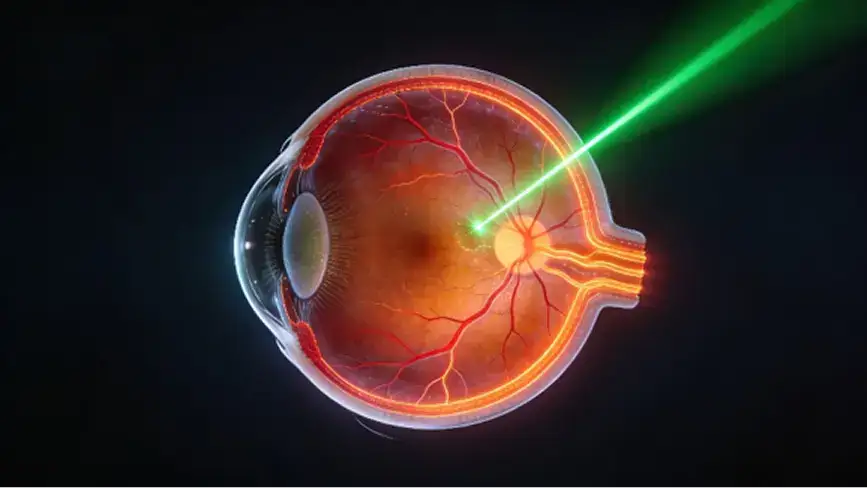
During treatment, a retina specialist places small laser spots around the tear or hole. These spots create controlled areas of scar tissue that help secure the retina and form a barrier around the damaged area.
The goal is not to close the tear itself. Instead, the laser helps prevent fluid from passing through the break and reaching underneath the retina.
When Is Laser Retinopexy Needed?
Not every retinal tear or hole needs laser treatment. The decision depends on the location and appearance of the retinal break, the condition of the surrounding retina, and the risk of progression.
Laser retinopexy may be recommended for:
- Certain retinal tears
- Selected retinal holes
- Retinal breaks associated with lattice degeneration
- Retinal breaks that are considered at higher risk of leading to detachment
Some retinal holes or tears may simply need observation. A detailed retinal examination helps determine which approach is appropriate.
If the retina has already detached, retinal detachment treatment laser may be part of a larger surgical repair. However, laser retinopexy alone is generally intended for retinal breaks where the retina remains attached.
How Does Laser Retinopexy Protect the Retina?
The main purpose of retinal tear treatment with laser is to create a protective barrier around the retinal break.
The process is relatively straightforward:
- The retinal break is located. A dilated examination allows the retina specialist to carefully examine the retina, including its peripheral areas.
- Laser spots are applied around the break. The specialist places a series of controlled laser spots surrounding the tear or hole.
- The treated area heals. As the laser spots heal, scar tissue forms and helps hold the retina in place around the treated area.
This is why finding a retinal tear early can matter. Treating an appropriate tear before the retina detaches may help prevent a more serious retinal problem.
What Happens During a Retinal Laser Procedure?
Laser retinopexy is usually performed as an outpatient procedure.
Numbing medication is used to keep the eye comfortable. The specialist then uses a laser to place spots around the retinal tear or hole.
You may see bright flashes during the treatment. Depending on the location of the retinal break, you may also notice some pressure or brief discomfort.
The exact treatment time varies from person to person. Your retina specialist will explain what to expect based on the location and extent of the retinal break.
Is Laser Retinopexy Painful?
Laser retinopexy is generally well tolerated. Numbing medication is used during the procedure, and most patients do not experience significant pain.
Some people may notice pressure, mild discomfort, or irritation during or after treatment. Dr. Paul Hahn uses treatment approaches designed to make retinal procedures as comfortable as possible.
Laser Retinopexy Side Effects and Risks
Most patients recover without significant problems, but laser retinopexy side effects can occur.
Temporary effects may include:
- Blurred vision
- Mild eye irritation or discomfort
- Light sensitivity
- Floaters or visual disturbances
- Inflammation
More serious complications are uncommon but can occur. Laser treatment also does not eliminate the possibility of developing another retinal tear in a different area.
For this reason, follow-up examinations remain important even after a retinal tear has been treated.

Laser Retinopexy vs. Retinal Detachment Surgery
Laser retinopexy and retinal detachment surgery are not the same treatment.
Laser retinopexy is generally used when a retinal tear or hole is found before the retina has detached. The laser creates a protective barrier around the break.
When the retina has already detached, a surgical procedure may be needed to reposition and secure it. Depending on the situation, treatment may include pneumatic retinopexy, scleral buckle surgery, or vitrectomy. Laser or cryotherapy may also be used during retinal detachment surgery.
The earlier a retinal problem is identified, the more treatment options may be available.
When Should You See a Retina Specialist?
Retinal tears can sometimes develop without obvious symptoms. However, several warning signs should be taken seriously.
Seek prompt eye care if you notice:
- A sudden increase in floaters
- New flashes of light
- A shadow or curtain across your vision
- Sudden vision loss
- New changes in peripheral vision
These symptoms can be associated with a retinal tear or retinal detachment. Prompt evaluation can help determine whether treatment is needed.
Why Choose phRETINA and Dr. Paul Hahn?
Dr. Paul Hahn, MD, PhD, FASRS, is a board-certified, fellowship-trained retina specialist with extensive experience in retinal and macular care.
He has led more than 30 clinical trials and has over 100 publications in retinal disease treatment.
At phRETINA in Nanuet, NY, Dr. Hahn combines retinal imaging with evidence-based treatment and personalized care. The practice serves patients throughout Rockland County, Bergen County, NJ, and nearby communities in Westchester County, NY.
Conclusion
Laser retinopexy can help protect the retina when certain tears or holes are found before retinal detachment develops. By creating a barrier around the affected area, the treatment helps reduce the chance that fluid will pass through the retinal break.
If you notice new flashes, a sudden increase in floaters, a curtain or shadow in your vision, or sudden vision loss, do not wait for the symptoms to improve on their own.
A retinal examination can determine whether a tear or another retinal problem is present.
FAQs
- What is laser retinopexy?
Laser retinopexy is a retinal laser procedure that creates a protective scar around certain retinal tears or holes to help reduce the risk of retinal detachment. - Can laser retinopexy prevent retinal detachment?
It can reduce the risk of detachment from a treated retinal tear or hole, but it cannot guarantee that a retinal detachment will not occur. - Is retinal hole laser the same as laser retinopexy?
Yes. Laser retinopexy is commonly used to treat selected retinal holes by placing laser spots around the affected area. - How long does laser retinopexy take to heal?
The treated area needs time to heal and form scar tissue. Your retina specialist will provide specific instructions based on your treatment. - Can you develop another retinal tear after laser retinopexy?
Yes. Laser treatment protects the treated area, but another tear can develop elsewhere in the retina. Follow-up examinations are therefore important.