High blood pressure can affect more than just the heart. The connection between hypertension and retinopathy is an important but often overlooked aspect of overall health, especially when it comes to vision.
The retina relies on a delicate network of blood vessels. When blood pressure remains elevated over time, these vessels can become damaged, leading to changes in retinal function. Understanding them both helps patients recognize risks early and protect their vision.
What Is Hypertensive Retinopathy?
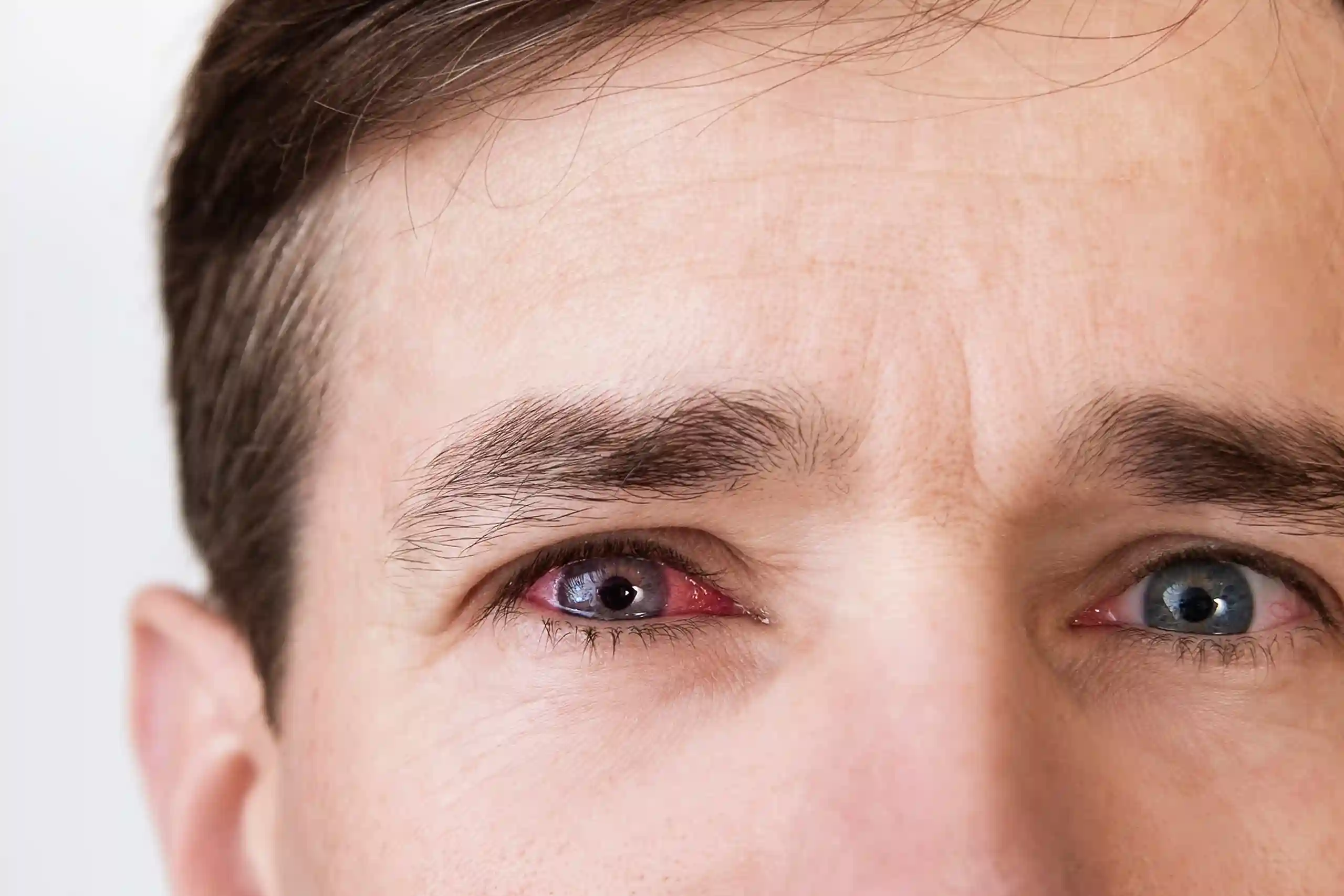
Hypertensive retinopathy refers to damage to the retina caused by high blood pressure. It occurs when prolonged pressure affects the small blood vessels in the eye.
In the early stages, hypertension and retinopathy may not cause noticeable symptoms. However, as the condition progresses, changes in blood vessels can impact retinal health and visual clarity.
How High Blood Pressure Affects the Eyes
Hypertension and eye health are closely tied to blood circulation. Elevated pressure can cause blood vessels in the retina to narrow, thicken, or leak.
Over time, hypertension and retinopathy can lead to reduced blood flow, swelling, and damage to the retinal tissue. This is why managing blood pressure is essential for general health and preserving vision.
Symptoms to Watch For
Many patients ask: will high blood pressure cause blurry vision?
In some cases, yes. As hypertension and retinopathy progress, symptoms may include:
- Blurred or reduced vision
- Headaches associated with visual changes
- Difficulty focusing
- In severe cases, sudden vision disturbances
Because symptoms can develop gradually, they are often detected during routine eye examinations.
Blood Pressure and Eyes: Why the Link Matters
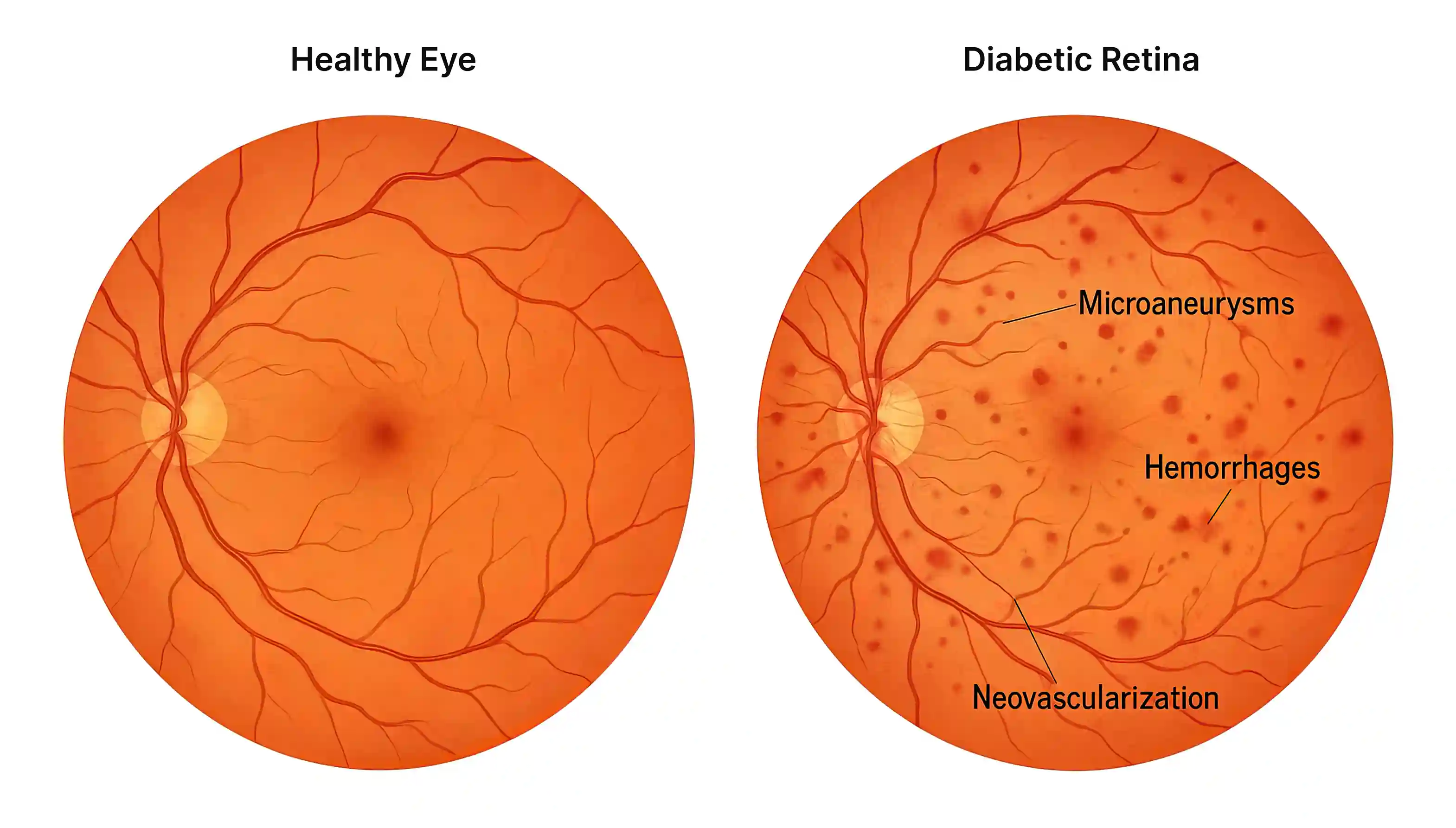
The connection between blood pressure and eyes is critical because the retina provides a direct view of blood vessels in the body.
Changes seen in the retina can reflect overall vascular health. This makes hypertension and retinopathy not only an eye condition but also a sign of systemic health issues that may require attention.
Stages of Hypertensive Retinopathy
Hypertensive retinopathy can progress through different stages depending on the severity of blood pressure.
- Mild: Narrowing of retinal blood vessels
- Moderate: Leakage or small hemorrhages
- Severe: Swelling of the optic nerve and significant vision risk
As hypertension and retinopathy advance, the risk of long-term vision damage increases. Early detection plays a key role in preventing complications.
Impact on Eyesight
Concerns around eyesight with high blood pressure are valid, especially in long-term cases.
Persistent high blood pressure can reduce the retina’s ability to function properly, affecting central and peripheral vision. In advanced stages, hypertension and retinopathy may lead to permanent vision changes if not managed in time.
Related Retinal Conditions
Hypertension can increase the risk of other retinal problems, including:
- Retinal vascular disease
- Macular edema
- Retinal artery or vein occlusion
These conditions further highlight the connection between hypertension and retinopathy and the importance of early care.
Can Hypertensive Retinopathy Be Reversed?
Managing blood pressure is the most important step in controlling the condition.
While early changes related to hypertension and retinopathy may improve with proper treatment, more advanced damage may not be fully reversible.
Regular monitoring and timely intervention can help prevent further progression and protect remaining vision.
When Should You See a Specialist?
You should seek evaluation if you experience:
- Blurred or fluctuating vision
- Sudden visual disturbances
- Difficulty focusing
These symptoms may indicate changes related to hypertension and retinopathy and require prompt attention.
Why Regular Retinal Exams Matter
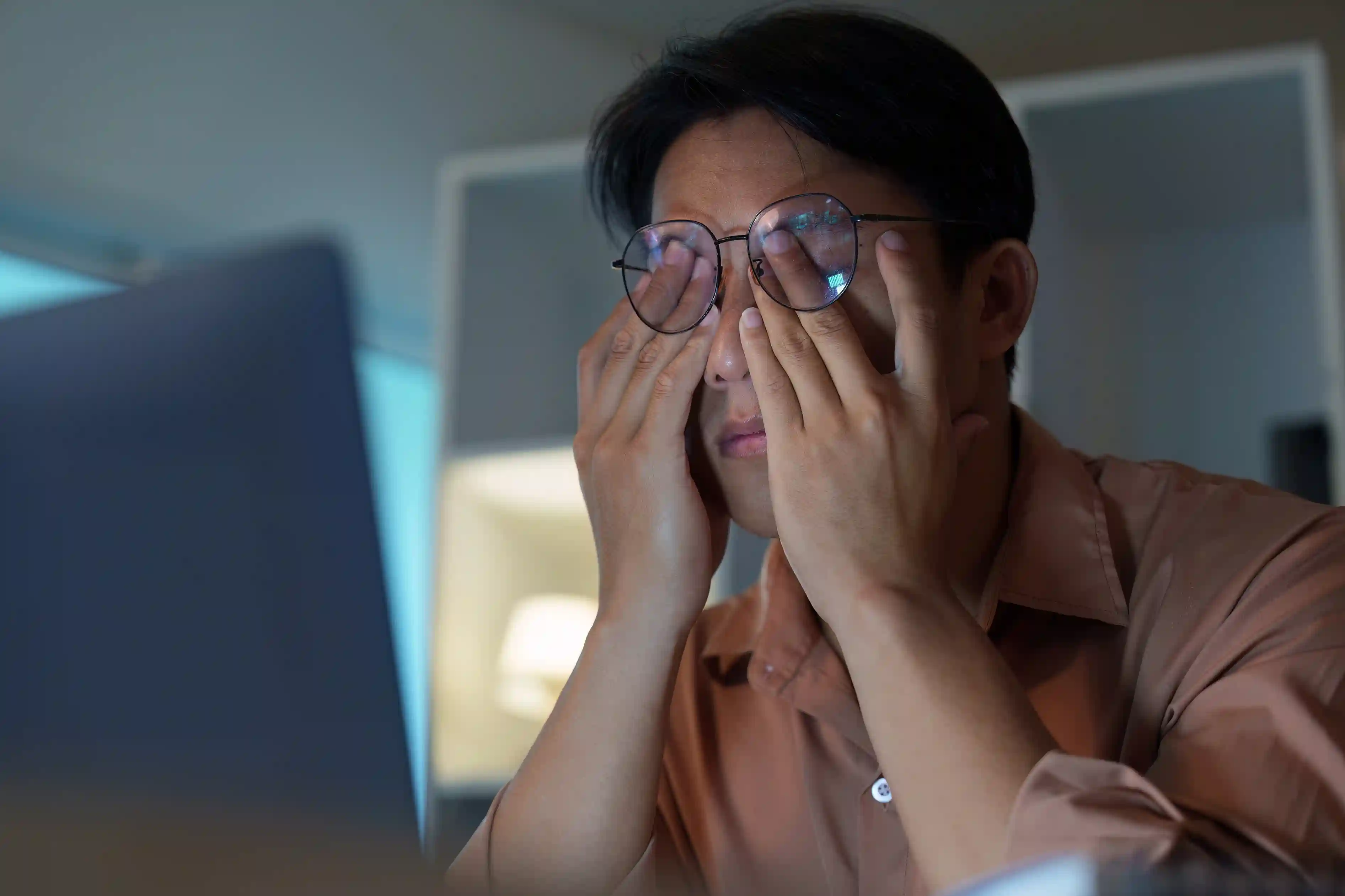
High blood pressure may not cause noticeable symptoms in the early stages, but changes in the retina can still occur. A detailed retinal examination allows specialists to detect early signs of vascular damage before vision is affected.
Routine check-ups are especially important for individuals with long-standing hypertension or fluctuating blood pressure levels. Early detection supports better management and helps prevent complications that could impact long-term vision.
Conclusion
The connection between hypertension and retinopathy highlights the importance of managing blood pressure for both overall health and vision.
High blood pressure can gradually damage the retina, often without early symptoms. Over time, this can affect visual clarity and increase the risk of serious complications.
Understanding hypertension and retinopathy allows patients to take proactive steps, including regular eye exams and proper blood pressure control, to protect long-term retinal health. Ongoing monitoring and timely care remain essential in preventing complications and maintaining long-term vision.
FAQs
- How are hypertension and retinopathy connected?
They are linked through damage to retinal blood vessels caused by prolonged high blood pressure. - Can hypertension and retinopathy cause blurry vision?
Yes, they can lead to blurry vision, especially as the condition progresses and affects retinal function. - How do blood pressure and eyes relate to overall health?
Blood pressure and eyes are closely connected because retinal blood vessels reflect overall vascular health, helping detect systemic issues early. - Can controlling hypertension and retinopathy improve vision?
Managing both can help stabilize vision and prevent further damage, especially when detected early.