
A retinal detachment is a serious eye condition that requires prompt medical attention. It occurs when the retina separates from the tissue beneath it, disrupting the retina's ability to function properly and potentially causing permanent vision loss if treatment is delayed.
If you have been diagnosed with a retinal detachment, you may have questions about whether it can be repaired and which procedure is right for you.
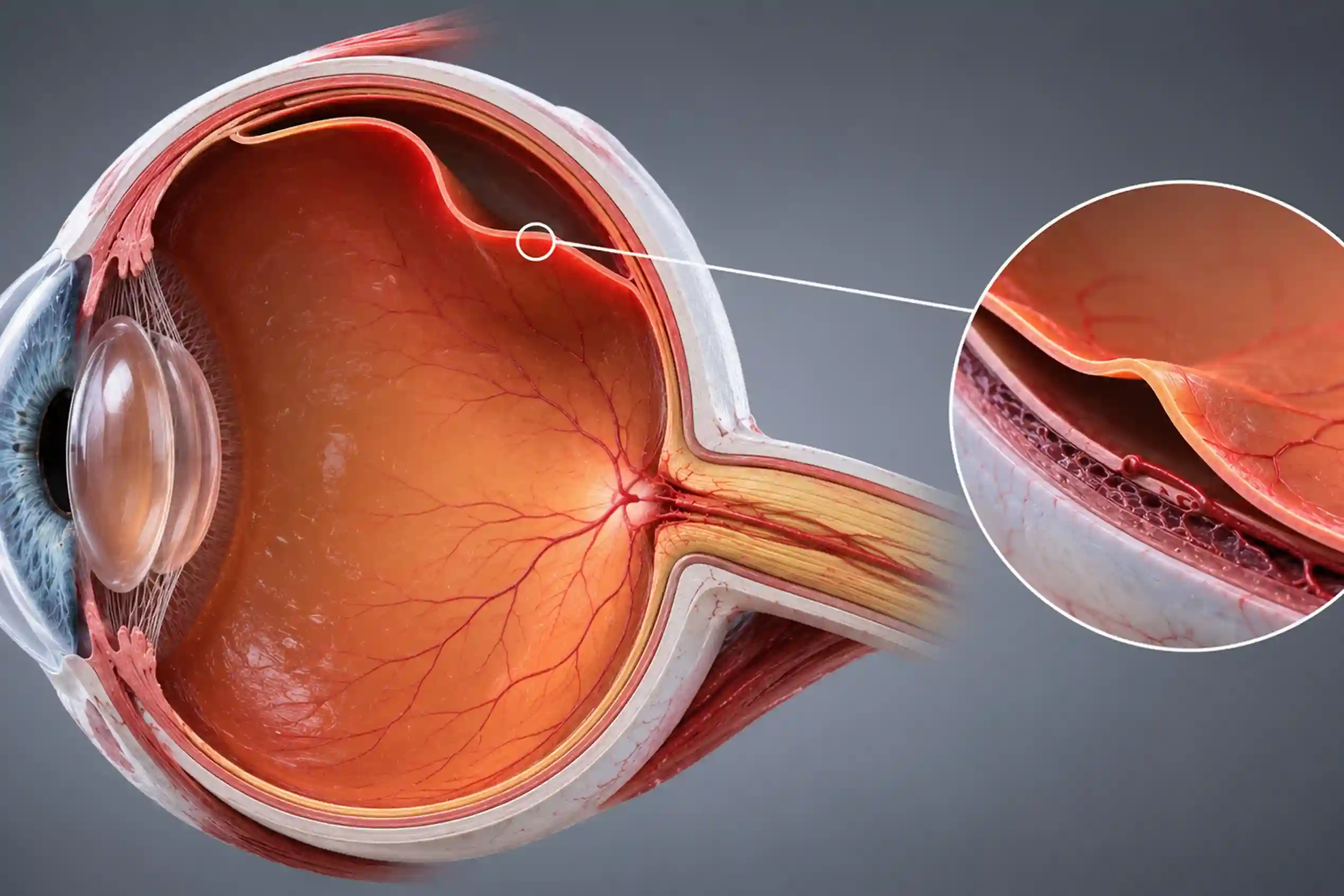
What Is Pneumatic Retinopexy?
Pneumatic retinopexy is a minimally invasive retinal detachment repair procedure that uses a small gas bubble placed inside the eye to help move the detached retina back into position.
Once the retina is positioned correctly, laser treatment or cryotherapy may be used to seal the retinal tear responsible for the detachment. The gas bubble then gradually disappears as the eye heals. phRETINA lists pneumatic retinopexy as a retinal detachment repair technique for selected cases.
The procedure is not appropriate for every retinal detachment. Your retina specialist will evaluate the size, location, and pattern of the detachment before recommending it.
How Does the Pneumatic Retinopexy Procedure Work?
The pneumatic retinopexy procedure generally involves several key steps.
First, the eye is numbed to keep you comfortable during treatment. A small gas bubble is then injected into the vitreous cavity. The bubble rises inside the eye and is positioned against the detached portion of the retina.
The bubble provides temporary support while the retina returns to its normal position. The retinal tear is then sealed using laser or cryotherapy, creating scar tissue that helps prevent fluid from passing through the tear again.
Because the gas bubble needs to remain in the correct position, your retina specialist may give you specific instructions about head positioning after the procedure.
Can a Detached Retina Be Repaired?
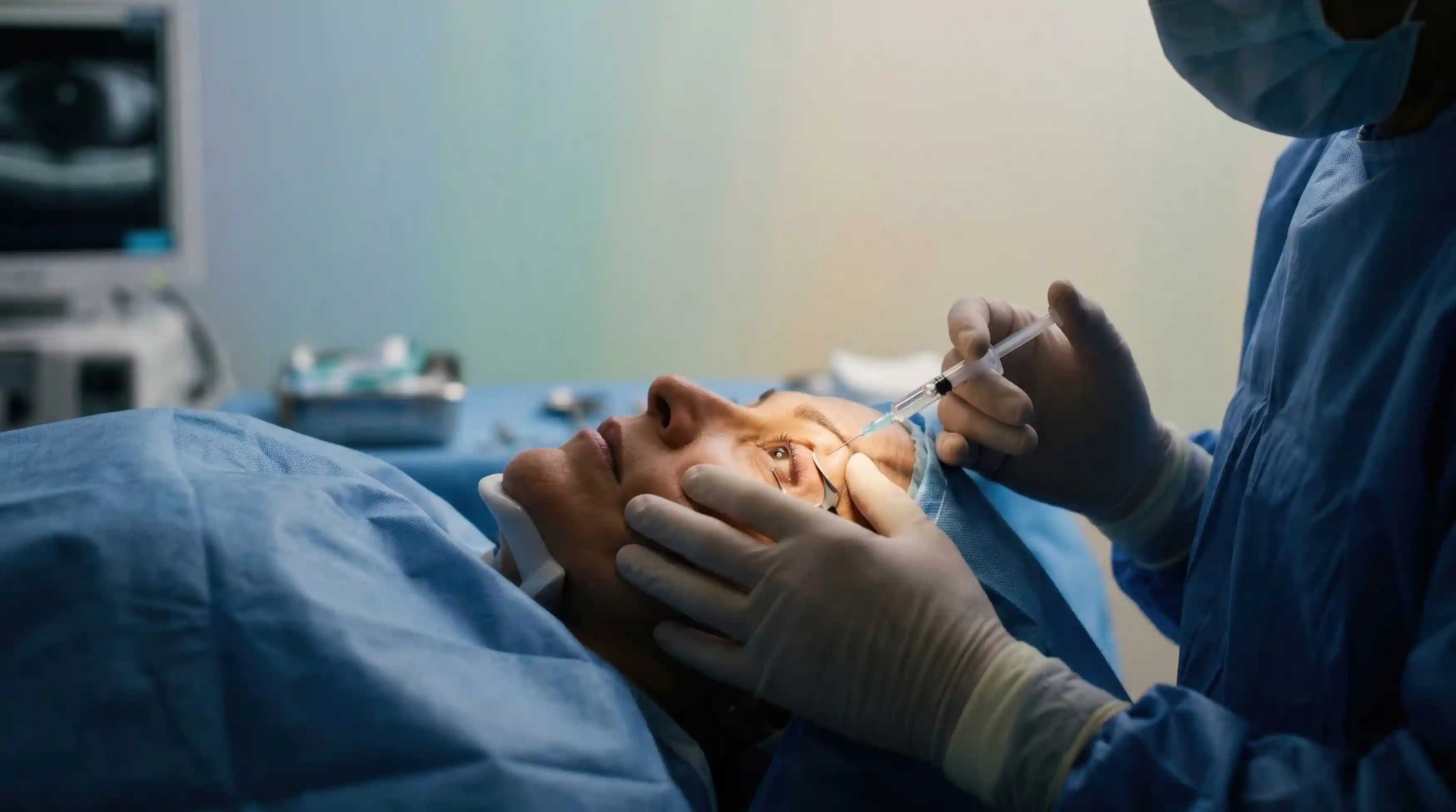
Yes. Can detached retina be repaired? In many cases, retinal detachment can be surgically repaired, although the appropriate procedure depends on the type and extent of the detachment.
Treatment options may include:
- Pneumatic retinopexy
- Scleral buckling surgery
- Vitrectomy
- Laser treatment or cryotherapy in appropriate situations
The goal is to reattach the retina and close the retinal break that allowed the detachment to develop. phRETINA offers pneumatic retinopexy, scleral buckling, and pars plana vitrectomy among its retinal surgical treatments.
When Is Pneumatic Retinopexy Used?
Pneumatic retinopexy is generally considered when the retinal detachment has characteristics that make it suitable for treatment with a gas bubble.
The location of the retinal tear is particularly important because the bubble needs to cover the affected area while the retina heals. Your retina specialist will also consider the number and location of retinal breaks and whether the detachment involves the macula.
If pneumatic retinopexy is not appropriate, another surgical approach may provide a better way to repair the retina.
Other Retinal Detachment Treatment Options
Scleral Buckling
Scleral buckling uses a silicone band placed around the outside of the eye to support the retina and counteract forces pulling it away from the eye wall. It is commonly used for rhegmatogenous retinal detachment.
Vitrectomy
Vitrectomy involves removing some or all of the vitreous gel inside the eye. This gives the surgeon access to the retina so the retinal breaks can be treated and the retina reattached.
Depending on the case, gas or silicone oil may be used to help keep the retina in position during healing.
Laser Treatment
Laser photocoagulation retinal detachment treatment is more commonly used to seal retinal tears or reinforce areas at risk before a full retinal detachment develops. Laser retinopexy creates adhesions around a retinal tear to help prevent fluid from passing underneath the retina.
Once a significant retinal detachment has occurred, laser alone generally does not replace a retinal reattachment procedure.
What Is Retinopexy?
Retinopexy refers to a treatment that creates an adhesion between the retina and the underlying tissue around a retinal break.
It can be performed using laser energy or cryotherapy. In pneumatic retinopexy, retinopexy is combined with a gas bubble to first reposition the detached retina and then seal the retinal tear.
What Can You Expect After Pneumatic Retinopexy?
Recovery depends on detachment severity and retinal response. If a gas bubble is used, vision may be blurry and you may need to hold a certain head position.
Do not fly or go to high altitudes with a gas bubble unless cleared by your surgeon. Follow all instructions and attend follow-ups to ensure proper healing.
When Should You Seek Immediate Retinal Care?
Retinal detachment is an emergency. Seek immediate evaluation if you experience:
- A sudden increase in floaters
- Flashes of light
- A dark shadow or curtain across your vision
- Sudden blurred or reduced vision
- Loss of peripheral vision
These symptoms can also indicate a retinal tear before a detachment develops. Prompt examination can allow treatment before the condition becomes more extensive.
Why Choose Dr. Paul Hahn?
Dr. Paul Hahn, MD, PhD, FASRS, is a board-certified retina specialist and fellowship-trained vitreoretinal surgeon. He also led more than 30 clinical trials in retinal disease treatment.
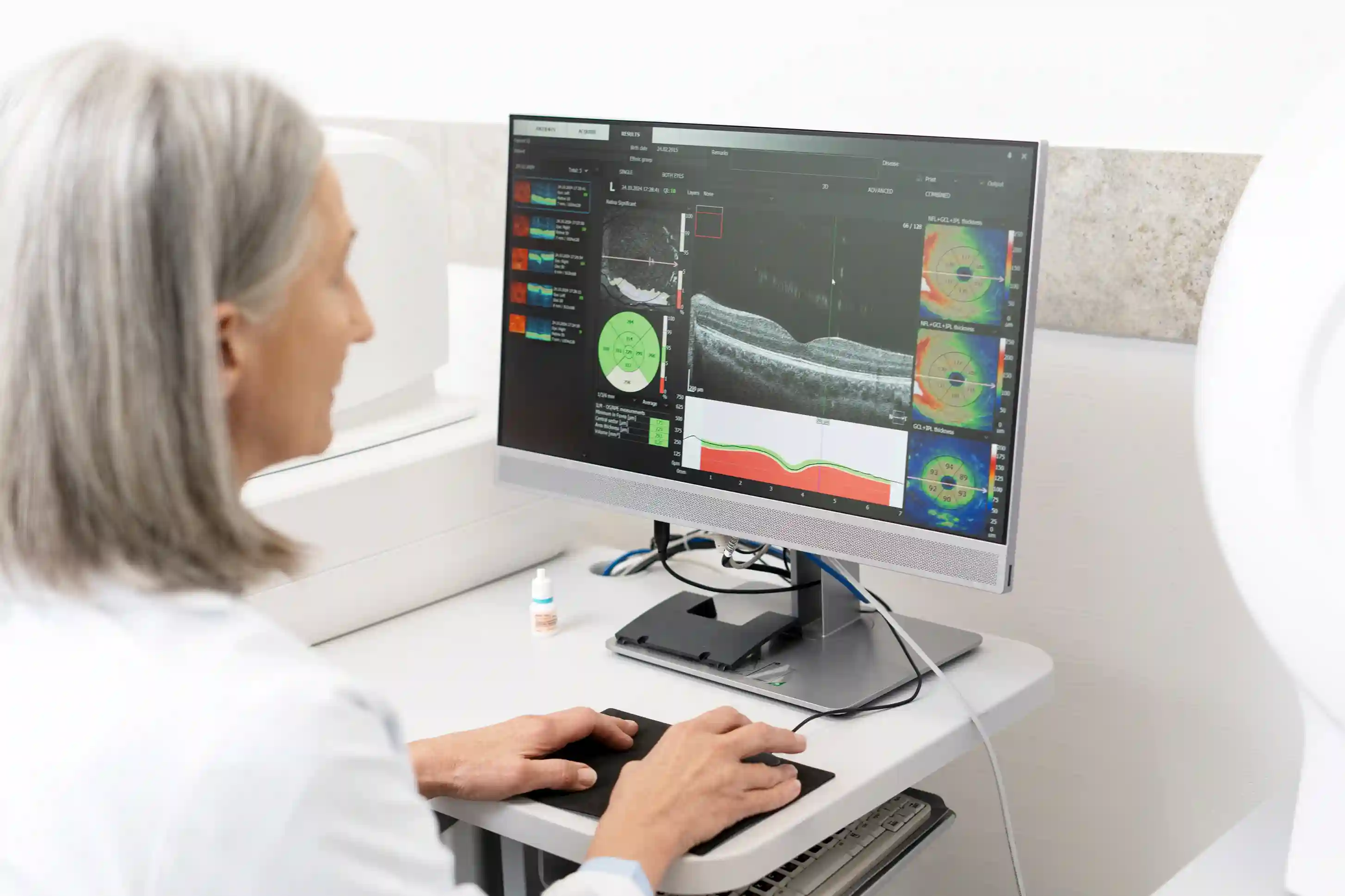
At phRETINA in Nanuet, NY, Dr. Hahn uses advanced retinal imaging and surgical techniques to evaluate retinal detachments and determine the most appropriate treatment for each patient.
Conclusion
A retinal detachment requires prompt evaluation and treatment, but several surgical approaches are available depending on the individual case. Pneumatic retinopexy uses a gas bubble with laser or cryotherapy to reposition the retina and seal the retinal break in selected patients.
The sooner a retinal detachment is evaluated, the sooner the appropriate repair can be considered. If you experience sudden flashes, floaters, a curtain-like shadow, or a significant change in vision, seek urgent retinal care.
Frequently Asked Questions
-
Is pneumatic retinopexy a surgery?
Yes. Pneumatic retinopexy is a minimally invasive retinal detachment repair procedure that involves injecting a gas bubble into the eye and sealing the retinal tear with laser or cryotherapy. -
Can every retinal detachment be treated with pneumatic retinopexy?
No. Pneumatic retinopexy is appropriate only for selected retinal detachments. The location and characteristics of the retinal breaks and the extent of the detachment all influence the treatment decision. -
Is laser treatment enough for a retinal detachment?
Laser treatment can seal retinal tears and help prevent a tear from progressing to detachment. Once a significant retinal detachment has developed, a retinal reattachment procedure may be required. -
How long does recovery take after pneumatic retinopexy?
Recovery differs for each patient. Vision may stay blurry with a gas bubble, and you might need special positioning. Follow your retina specialist's instructions.