
Macular Degeneration Treatment Options
- Home
- General

Macular Degeneration
Macular degeneration is a progressive condition that affects central vision and can impact daily activities such as reading and recognizing faces. The goal of AMD treatment is to slow disease progression, preserve vision, and maintain quality of life.
Treatment varies depending on whether the condition is dry or wet and requires evaluation by a qualified retina specialist.

How Optimal AMD Treatment Is Determined
The most appropriate treatment depends on several factors, including the type of macular degeneration, disease stage, and overall eye health.
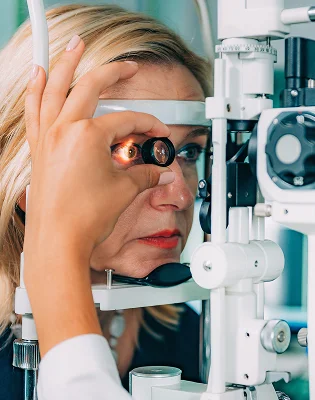
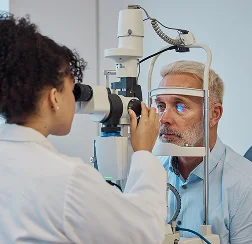
A comprehensive evaluation typically includes:
- Detailed retinal examination
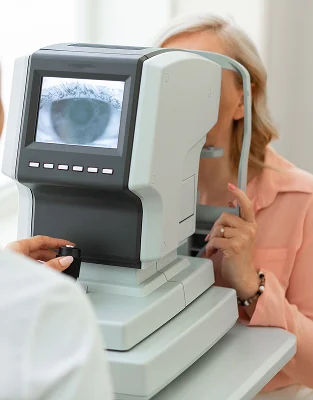
- Imaging studies such as OCT
- Review of symptoms and visual function
Based on these findings, a retina specialist develops an individualized treatment plan.



AMD Treatment for Dry Macular Degeneration
The treatment of dry macular degeneration focuses on slowing progression and monitoring for changes.
Current Approach
- Nutritional supplementation based on AREDS2 studies
- Regular retinal imaging and follow-up
- Management of systemic risk factors
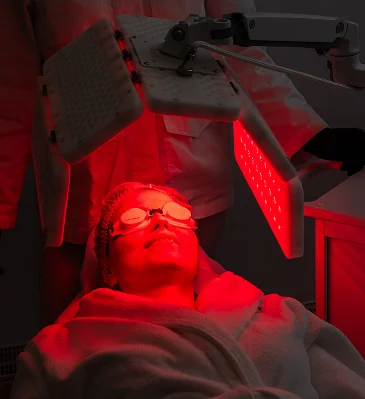
- Photobiomodulation (light therapy)
- Eye injections
For a long time, there was no treatment available for dry macular degeneration. We now have FDA-approved therapies that can be injected into the eye to slow down the growth of geographic atrophy in advanced dry AMD. We also have FDA-approved photobiomodulation (light therapy) treatments to help stabilize the eye against deterioriation in earlier stages of disease. In addition, consistent monitoring is essential to guide ongoing AMD treatment decisions and monitor for possible conversion to wet AMD.
AMD Treatment for Wet Macular Degeneration
The treatment approach for wet macular degeneration is active and time-sensitive.
Anti-VEGF Therapy
The primary treatment involves medications delivered through injections into the eye. These medications block vascular endothelial growth factor (VEGF), which contributes to abnormal blood vessel growth.
Benefits include:
- Reduction of fluid leakage
- Stabilization of vision
- Slowing of disease progression
Early treatment significantly improves outcomes in patients with wet AMD.

What to Expect From Eye Injections
Many patients have concerns about injection-based AMD treatment.
Procedure Overview
- Performed in the officea setting
- Local anesthesia (typically just eyedrops) is used for comfort
- The procedure is brief and well tolerated
Treatment Schedule
- Often started at regular intervals
- Adjusted based on response and imaging findings
Follow-up with a retina specialist ensures that the treatment plan is optimized over time.

Are There Alternatives to Injections for Macular Degeneration?
Injections are the most commonly used approach for managing certain types of macular degeneration. For most situations that benefit from injections, there are no alternative treatments that work as well. Patients often ask whether other options are available.
In select situations, other therapies such as laser-based treatments or photodynamic therapy may be used. However, these are typically reserved for unique clinical scenarios and are not the primary approach for most patients.
In addition to injections, alternative or supportive approaches may often be important. These can include:
- Nutritional supplementation for early or intermediate stages
- Careful observation with regular imaging
- Lifestyle modifications such as smoking cessation and cardiovascular health management
Treatment decisions are based on detailed retinal evaluation and imaging findings. A personalized care plan ensures that each patient receives the most appropriate management based on their condition.
Monitoring and Long-Term AMD Treatment
Macular degeneration requires ongoing care, even after initial therapy. Long-term treatment focuses on monitoring disease activity and adjusting care as needed.
Ongoing Management Includes
- Regular eye examinations
- Imaging to assess retinal changes
- Tracking visual function
Patients receiving care at an eye care clinic benefit from structured follow-up and continuity of care, which are essential components of effective treatment.




The Role of a Retina Specialist
A retina specialist plays a central role in diagnosing and managing macular degeneration.
They provide:
- Accurate differentiation between dry and wet AMD
- Advanced imaging and interpretation
- Individualized AMD treatment
Working with a vision specialist ensures that care is tailored to the specific needs of each patient.
Local Access to AMD Treatment
For patients seeking care from an eye doctor in Nanuet NY, access to specialized retinal services is important.
A dedicated eye care clinic offers:
- Comprehensive retinal evaluation
- Advanced diagnostic imaging
- Ongoing disease monitoring
Receiving AMD treatment in a specialized setting improves both diagnostic accuracy and long-term outcomes.

Why Early AMD Identification Matters
Early intervention plays a critical role in preserving vision. The sooner it is initiated, the greater the likelihood of maintaining visual function.
Benefits of Early Care
- Slower disease progression
- Improved response to therapy
- Better long-term visual outcomes
Delaying AMD treatment can result in irreversible vision loss, particularly in wet macular degeneration.
When to Seek Evaluation
You should seek evaluation if you experience:
- Blurred or distorted central vision
- Difficulty reading or recognizing faces
- Sudden changes in vision
Prompt consultation with a retina specialist allows for early diagnosis and timely initiation of the treatment.


Helpful Information for New and Returning Patients
Schedule a Retinal Evaluation
If you have been diagnosed with macular degeneration or are experiencing changes in your vision, a comprehensive evaluation can help determine the most appropriate AMD treatment plan.