
AMD Symptoms & Early Warning Signs
- Home
- General

AMD Symptoms
Macular degeneration, also known as age-related macular degeneration (AMD), is a condition that affects the macula, the central or middle part of the retina responsible for sharp, detailed vision. It primarily impacts the ability to read, recognize faces, and see fine details. The symptoms of AMD can begin subtly and may be mistaken for normal age-related vision changes.
Many patients notice difficulty reading, trouble recognizing faces, or changes in central vision before realizing something more serious is developing. Understanding the symptoms early is important because prompt diagnosis and treatment can help protect vision. Some changes occur gradually, while others appear suddenly and require urgent evaluation by a retinal specialist.

Early Symptoms of AMD You Should Not Ignore
The earliest symptoms of AMD often affect central vision rather than side vision. You may still be able to move around normally, but detailed tasks become more difficult.
Common warning signs include:
- Hazy or less sharp central vision
- Difficulty reading small print
- Trouble recognizing faces
- Colors appearing less bright
- Difficulty seeing in low light settings
- A dark or empty spot in the center of vision
- Straight lines appearing bent or wavy
Many patients first notice symptoms of AMD when they struggle to read, drive, or use a phone screen in normal lighting.



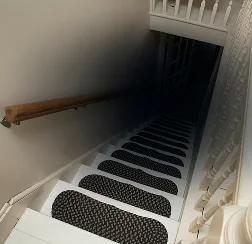
Macular Degeneration Symptoms Signs
The most common macular degeneration symptoms vary depending on whether the condition is dry or wet. Dry AMD usually progresses slowly over time (years), while wet AMD can progress quickly (days to weeks).
Typical AMD symptoms include:
- Gradual loss of sharp central vision
- Distorted vision
- Missing or blurry spots in vision
- Increased need for brighter light
- Difficulty adapting to dim rooms
- Reduced ability to see fine detail
Because these changes may seem mild at first, the symptoms of AMD are sometimes ignored until they interfere with daily life. Tracking the symptoms over time can help identify whether the condition is becoming more serious.
Wet AMD Symptoms and Sudden Vision Changes
Wet AMD is the most aggressive form of macular degeneration. AMD symptoms usually appear more suddenly and can worsen within days or weeks.
The most common Wet AMD symptoms include:
- Straight lines looking crooked or wavy
- A sudden blurry area in the center of vision
- Dark spots that block part of your sight
- Rapid decline in reading vision
- Difficulty recognizing faces
Patients often ask, “What are the first signs of wet macular degeneration?” In most cases, the first sign is mild distortion in central vision or the appearance of a dark spot that was not there before.
If these changes occur, the symptoms of AMD should never be ignored. A sudden increase in the symptoms of AMD may indicate the development of wet AMD. Immediate evaluation can reduce the risk of permanent vision loss.

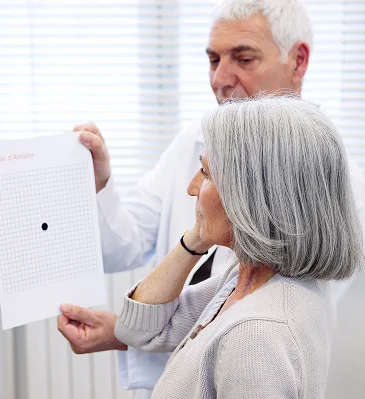

Dry AMD vs. Wet AMD
The symptoms of AMD can look different depending on the type of disease.
Dry AMD commonly causes:
- Slow, gradual blurring over years
- Mild distortion
- Increasing difficulty with reading
- Progressive central vision loss over several years
Wet AMD commonly causes:
- Sudden vision distortion worsening over days to weeks
- Rapid worsening of central vision
- New dark or blank spots
- Vision changes over days or weeks
Because wet AMD progresses faster, any new symptoms of AMD that appear suddenly should be evaluated right away.

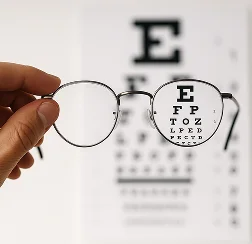
Eye Exam for Early-Stage Macular Degeneration Symptoms
An eye exam for early-stage macular degeneration symptoms evaluation is designed to identify retinal changes before severe vision loss occurs. During the examination, a retinal specialist will review your vision, symptoms, and medical history.
The exam may include:
- Dilated retinal examination
- Visual acuity testing
- Amsler grid testing to check for distortion
- Retinal imaging
Patients with mild symptoms of AMD may still have important retinal changes that can only be seen during a detailed eye examination.
AMD Testing and Diagnosis
At phRETINA, we screen for early macular degeneration symptoms during routine retinal evaluations and use advanced imaging to detect subtle changes before they affect daily life.
Common AMD testing methods include:
- Optical Coherence Tomography (OCT)
- Retinal photography
- Fluorescein angiography in select cases
- Ongoing comparison of retinal images over time
Many patients also ask, how is wet AMD diagnosed? Wet AMD is typically diagnosed through a combination of retinal examination and OCT imaging, which can identify fluid, swelling, or abnormal blood vessels beneath the retina.
These tests help determine the cause of the symptoms of AMD and guide the next step in treatment.
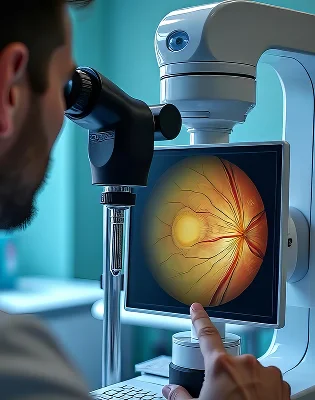
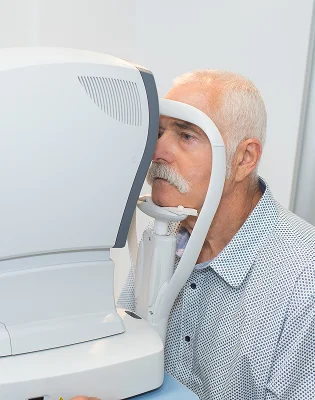


When to Schedule an Evaluation
You should schedule an eye evaluation if you notice:
- Blurred central vision
- Wavy or distorted lines
- A dark spot in the center of sight
- Difficulty reading or recognizing faces
- Sudden changes in vision in one or both eyes
Even mild symptoms of AMD can indicate early retinal disease. Early evaluation provides the best opportunity to preserve vision and begin treatment if needed.
Helpful Information for New and Returning Patients
Schedule a Retinal Evaluation
If you are noticing new visual changes or have concerns about macular degeneration, schedule a comprehensive retinal evaluation today.