
Wet macular degeneration is a serious retinal condition that can lead to rapid vision loss if left untreated. One of the most effective treatments available today targets VEGF, a key factor responsible for abnormal blood vessel growth in the retina.
For many patients, understanding how this protein works and how treatment helps can reduce anxiety and improve confidence in managing their condition. This article explains the role of the growth factor, how targeted therapy works, and what to expect from treatment.

What Is VEGF and Why Does It Matter?
VEGF stands for vascular endothelial growth factor. It is a naturally occurring protein in the body that helps form new blood vessels.
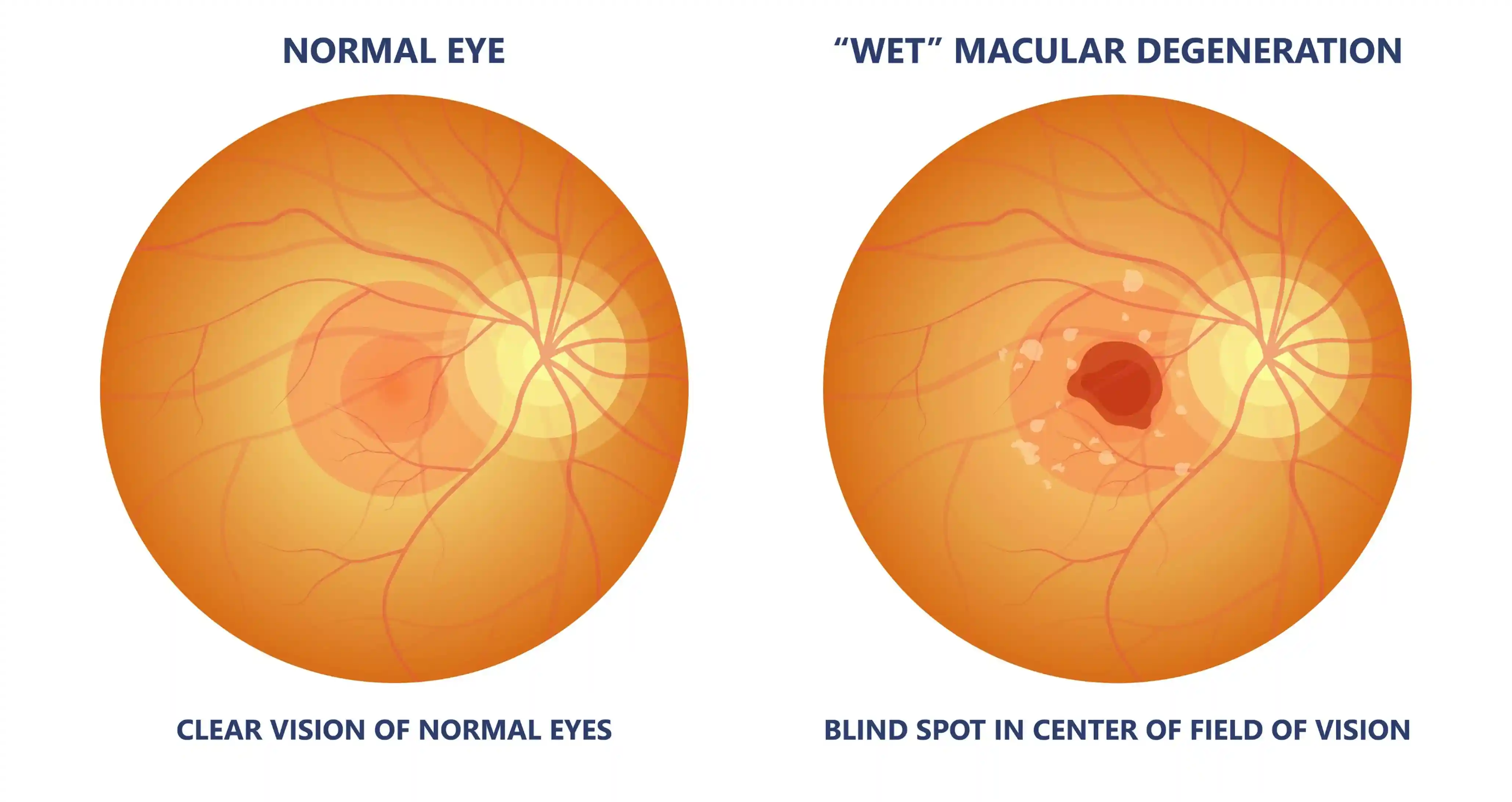
In the eye, VEGF plays an important role in maintaining normal circulation. However, in conditions like wet macular degeneration, it becomes overactive. This leads to the growth of abnormal, fragile blood vessels beneath the retina.
These vessels can leak fluid or blood, damage the macula, and affect central vision.
What Is Anti-VEGF Treatment?
Patients often ask: what is anti-VEGF?
Anti-VEGF treatment involves medications that block the activity of VEGF. By reducing its levels, these treatments help stop the growth of abnormal blood vessels and prevent further leakage.
Anti-vascular endothelial growth factor therapy is delivered through injections directly into the eye under controlled, sterile conditions. This approach is widely used as an effective retinal medication.
How VEGF Inhibitors Work
These inhibitors work by targeting VEGF, the protein responsible for abnormal vessel growth. Once injected, the medication binds to it and prevents new blood vessel formation.
This helps:
- Reduce fluid leakage
- Stabilize vision
- Slow or stop disease progression
Early and consistent treatment can preserve vision and improve outcomes.
Anti-VEGF Injections for Wet Macular Treatment
As a standard approach for wet macular treatment, these injections are given at regular intervals, especially during the initial phase of care.
The frequency depends on how the retina responds. Some patients may need monthly injections first, followed by fewer treatments.
This personalized approach ensures VEGF activity remains controlled while minimizing unnecessary treatment.
What to Expect During the Procedure
Before the injection:
- The eye is numbed with anesthetic drops
- The area is cleaned to prevent infection
During the injection:
- The medication is delivered quickly and precisely
- Most patients feel minimal discomfort
After the procedure:
- Mild irritation or redness may occur temporarily
- Vision may appear slightly blurred for a short time
Anti-VEGF injections are considered safe when performed by experienced retinal specialists.
Benefits of Anti-VEGF Therapy
Anti-vascular endothelial growth factor therapy has transformed the treatment of wet macular degeneration.
Key benefits include:
- Slowing vision loss
- Stabilizing retinal structure
- In some cases, improving vision
The effectiveness of VEGF-targeted treatment depends on early diagnosis and consistent follow-up care.

Conditions Beyond Wet Macular Degeneration
While used for wet macular treatment, this therapy is also effective in other retinal conditions, including:
- Diabetic retinopathy
- Retinal vascular disease
- Macular edema
In each case, VEGF plays a role in abnormal blood vessel behavior, making targeted treatment essential.
Are There Risks or Side Effects?
Like any medical procedure, anti-VEGF injections carry some risks, although they are uncommon.
Possible side effects include:
- Temporary irritation
- Mild redness
- Rare risk of infection
Your retinal specialist will monitor your eye closely to ensure safe and effective treatment.
Why Early Treatment Matters
Delaying treatment in wet macular degeneration can lead to permanent vision loss.
Since VEGF-driven damage can progress quickly, early intervention is critical. Regular monitoring and timely injections help control disease activity and preserve central vision.
Conclusion
VEGF plays a central role in the development of wet macular degeneration. When overactive, it leads to abnormal blood vessel growth that can damage the retina and affect vision.
Anti-VEGF therapy works by blocking this process, making it one of the most effective treatments available today. With proper care and regular follow-up, many patients can maintain stable vision.
Understanding its impact helps patients approach treatment with clarity and confidence.
FAQs
- What is anti-VEGF and how does it help?
Anti-VEGF treatment blocks VEGF activity, preventing abnormal blood vessel growth, and reducing fluid leakage in the retina. - How often are anti-VEGF injections needed?
The frequency varies depending on the condition and response to treatment. Many patients begin with monthly injections before moving to less frequent schedules. - Are VEGF inhibitors safe for long-term use?
Yes, they’re used and considered safe when administered under proper medical supervision with regular monitoring. - Is anti-vascular endothelial growth factor therapy painful?
The procedure is generally well tolerated. The eye is numbed before the injection, and most patients experience minimal discomfort.