
Smoking is widely known to affect the lungs and heart, but its impact on vision is often overlooked. The relationship between smoking and eyes is significant, especially when it comes to long-term retinal health and the risk of vision loss.
Many patients are unaware that smoking and eyes are closely connected through reduced blood flow, oxidative stress, and damage to delicate retinal structures. Understanding how smoking and eyes interact can help individuals make informed decisions about protecting their vision.

How Smoking Affects the Eyes
The effects of smoking extend far beyond surface-level irritation. Chemicals in tobacco smoke enter the bloodstream and reduce oxygen supply to the retina, which plays a critical role in clear vision.
This is one of the primary ways smoking and eyes are linked to progressive vision problems.
Can Smoking Cause Vision Loss?
A common question is: can smoking cause blindness?
Research shows that smoking significantly increases the risk of serious eye conditions, including age-related macular degeneration, which affects central vision. Smoking vision loss is not always immediate, but it can develop gradually and become irreversible if not addressed.
The connection between smoking and eyes becomes especially concerning when long-term exposure leads to cumulative damage in the retina.
Smoking and Retinal Damage
The retina depends on a stable supply of oxygen and nutrients. Smoking disrupts this balance by narrowing blood vessels and increasing oxidative stress.
Over time, this can contribute to smoking eye damage, affecting the macula and leading to reduced visual clarity. When evaluating smoking and eyes, retinal damage is one of the most serious concerns, particularly because symptoms may not appear until the condition has progressed.
This makes early awareness of smoking and eyes critical for prevention.
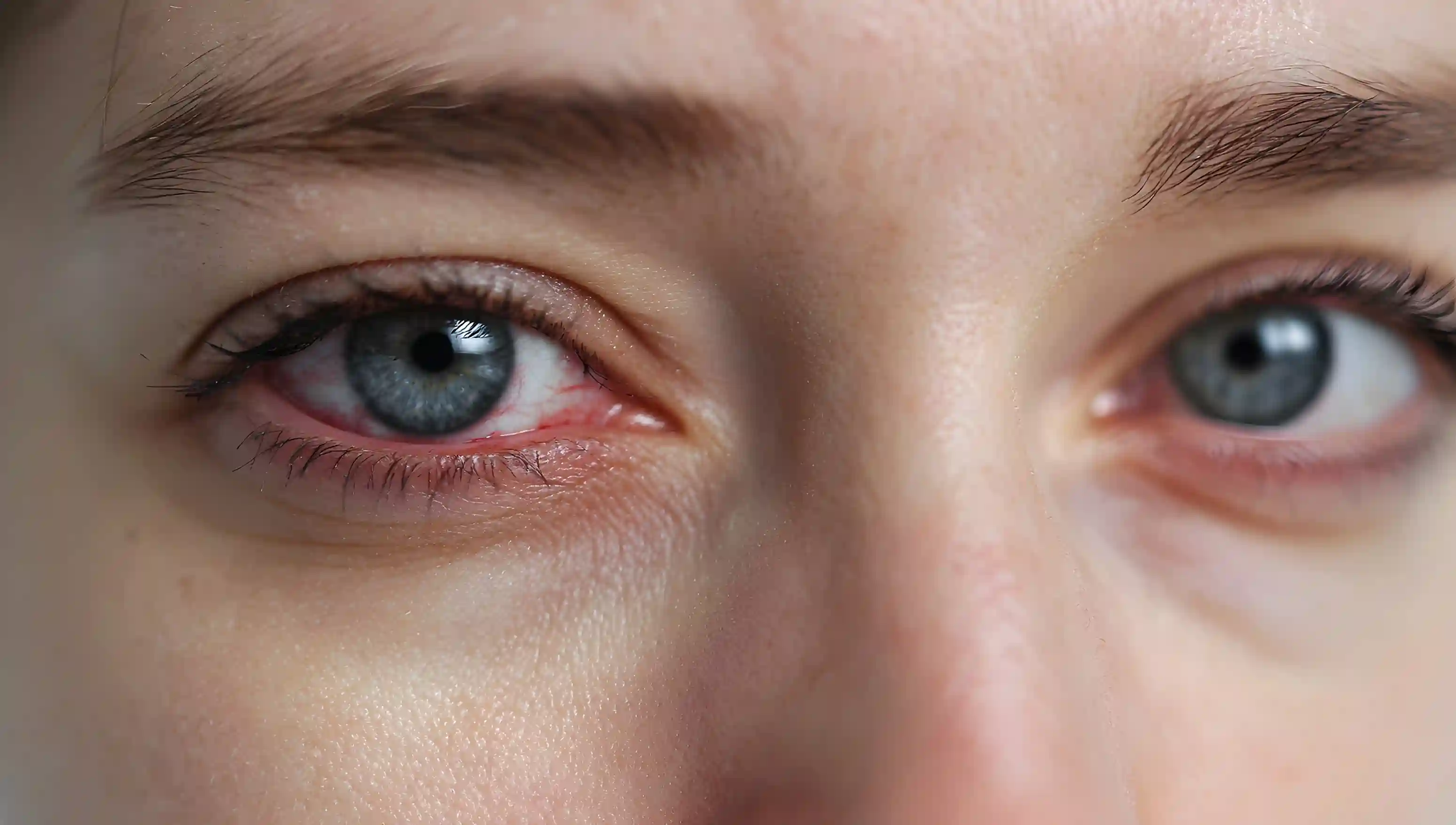
Macular Hole and Epiretinal Membrane
Smoking can also influence conditions that affect the surface and structure of the retina.
- A macular hole can develop when the central retina becomes thin or damaged
- An epiretinal membrane can cause wrinkling of the retinal surface, leading to distorted vision.
While these conditions have multiple causes, smoking may contribute to retinal stress and delayed healing. This adds another layer to how smoking and eyes are interconnected.
Does Smoking Affect Your Vision Daily?
Many people ask: does smoking affect your vision even in the short term?
Yes, it can. Smoking can reduce contrast sensitivity and make it harder to see clearly, especially in low-light conditions. It may also slow down the eye's ability to adjust between light and dark environments.
These functional changes highlight how smoking and eyes are connected not only in long-term disease but also in everyday visual performance.
Long-Term Risks to Retinal Health
The long-term effects of smoking are particularly concerning retinal health. Smoking increases the risk of:
- Macular degeneration
- Retinal vascular issues
- Delayed healing after eye conditions
When considering smoking and eyes, these risks emphasize the importance of prevention. Retinal damage often progresses silently, making regular evaluations essential.
Can Quitting Smoking Improve Eye Health?
A key question patients ask is about quitting smoking effects on their eyes.
The good news is that quitting can significantly reduce further damage. While existing retinal damage may not always be reversible, stopping smoking improves blood circulation and reduces ongoing stress on the retina.
Over time, this can support better eye health and slow the progression of vision problems. Addressing smoking and eyes early provides a better chance of preserving vision.

How to Protect Your Vision
Protecting your eyes starts with reducing exposure to harmful factors like tobacco smoke. Key steps include:
- Quitting smoking
- Avoiding secondhand smoke
- Maintaining regular eye check-ups
- Monitoring any changes in vision
These measures play an important role in minimizing risks.
When Should You Be Concerned?
Certain symptoms may indicate underlying retinal issues and should not be ignored:
- Blurred or distorted vision
- Difficulty seeing fine details
- Dark or missing areas in central vision
- Persistent irritation or dryness
These signs may be linked to conditions associated with smoking and eyes and require prompt evaluation.
Conclusion
The connection between smoking and eyes is clear and supported by clinical evidence. Smoking affects both the structure and function of the retina, increasing the risk of multiple vision-threatening conditions.
From macular degeneration to retinal vascular disease, the impact of smoking extends across several areas of eye health. While some effects develop gradually, the long-term consequences can be serious if left unaddressed.
FAQs
- Does smoking affect your vision over time?
Yes, smoking can gradually reduce visual clarity and increase the risk of serious retinal conditions, including macular degeneration and long-term vision loss. - Can smoking cause blindness?
Smoking increases the risk of conditions that can lead to blindness, particularly those affecting the retina. Early detection and lifestyle changes are essential to reduce this risk. - What causes eye irritation from smoke?
Chemicals in smoke disrupt the tear film, leading to dryness, redness, and burning eyes. This irritation can become chronic with repeated exposure. - Do eyes improve after quitting smoking?
Quitting smoking improves blood circulation and reduces ongoing damage to the retina. While some effects may not be reversible, it helps preserve remaining vision and supports overall eye health.