
Summer often brings more time outdoors, travel, sports, and recreational activities. While many people focus on protecting their skin from the sun, eye health is frequently overlooked. For some individuals, summer activities may increase awareness of visual symptoms that should never be ignored, particularly those associated with retinal detachment.
The retina is a thin layer of tissue at the back of the eye that plays a vital role in vision. When retinal detachment occurs, the retina begins to pull away from its normal position. Without prompt treatment, this condition can lead to permanent vision loss. Understanding the warning signs can help ensure timely evaluation and treatment.
What Is Retinal Detachment?
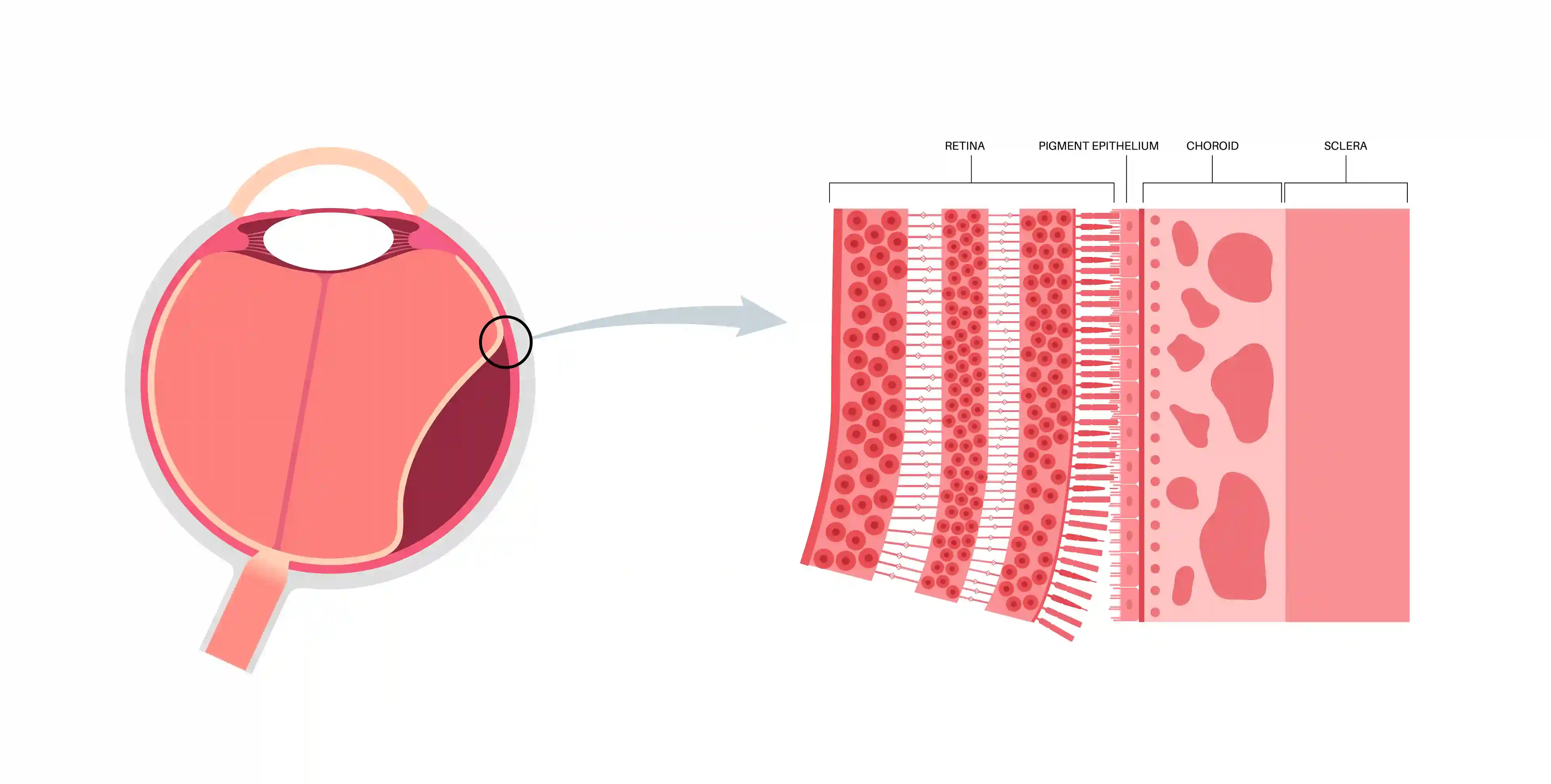
Retinal detachment occurs when the retina becomes detached from the tissues that normally support and nourish it. Because the retina relies on this connection to function properly, detachment can quickly affect vision.
Many patients ask what causes a detached retina. Several factors may increase the risk, including aging-related changes in the vitreous gel, significant nearsightedness, previous eye surgery, eye trauma, and certain retinal disorders.
While it can occur at any age, it is more common in older adults and individuals with existing retinal conditions.
Early Warning Signs to Watch For
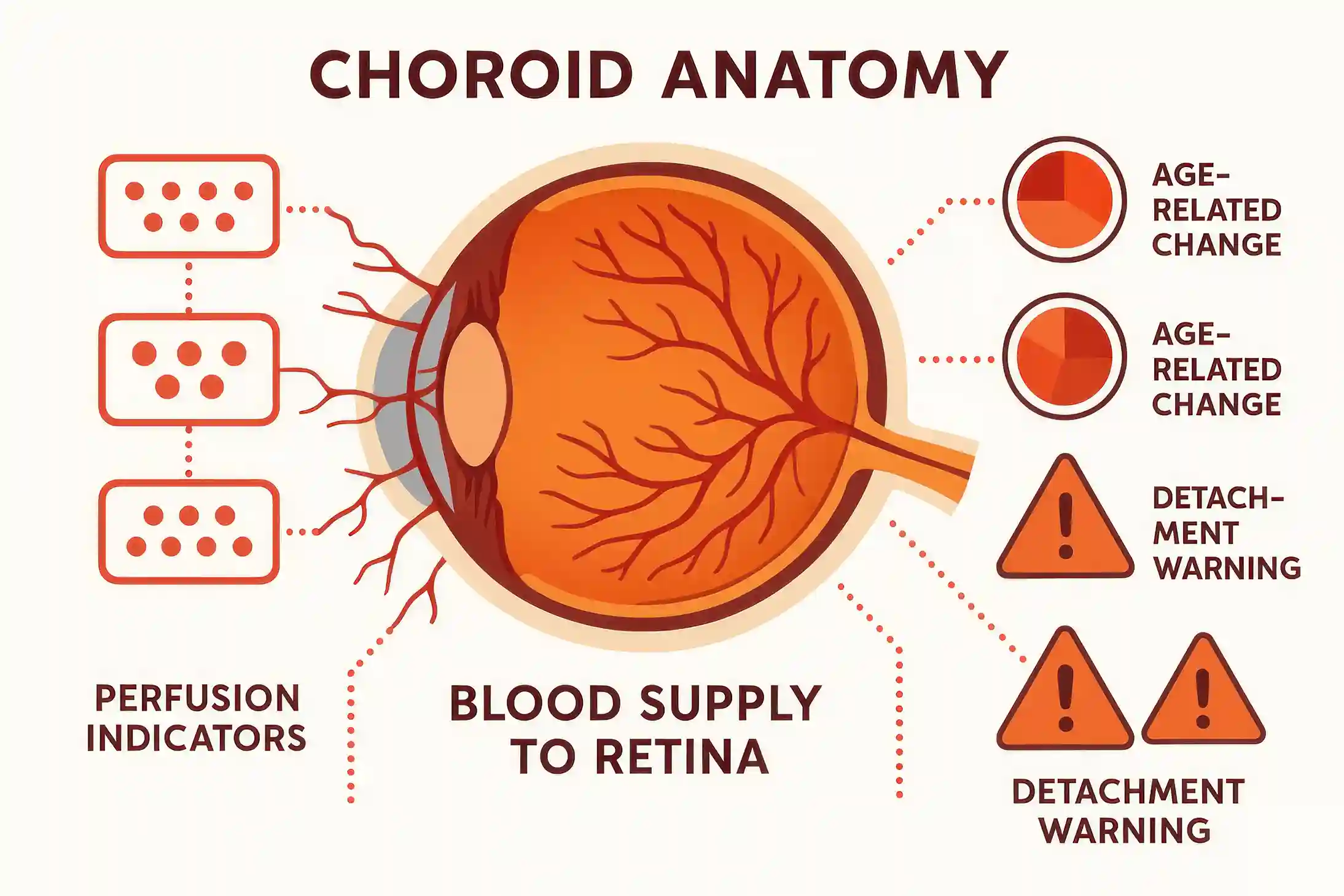
Recognizing symptoms early is critical. In many cases, it does not cause pain, making visual symptoms the primary warning signal.
Common symptoms include:
- A sudden increase in floaters
- Flashes of light in peripheral vision
- Blurred or distorted vision
- A shadow appearing in part of the visual field
- A curtain-like effect moving across vision
These symptoms may develop gradually or appear suddenly. Any new visual disturbance should be evaluated promptly.
Flashes and Floaters: Why They Matter
One of the earliest signs of retinal detachment may be flashes of light or a sudden increase in floaters.
Flashes occur when the vitreous gel inside the eye pulls on the retina. Floaters may appear as spots, cobwebs, or thread-like shapes drifting through vision.
While not every floater or flash indicates a serious problem, a sudden increase in either symptom should never be ignored.
The Connection Between Retinal Thinning and Retinal Detachment
Certain individuals may have areas of retinal thinning that increase their risk of future complications.
Retinal thinning occurs when portions of the retina become weaker than surrounding tissue. These weakened areas may be more vulnerable to developing tears, which can eventually lead to retinal detachment.
Routine retinal examinations can help identify retinal thinning before symptoms develop, allowing specialists to monitor changes and recommend treatment when necessary.
How to Tell If You Have Retinal Detachment
Many patients wonder how to tell if you have retinal detachment.
While only a comprehensive retinal examination can confirm the diagnosis, symptoms that often require urgent evaluation include:
- Sudden flashes of light
- A rapid increase in floaters
- Peripheral vision loss
- A dark curtain or shadow across vision
- Sudden visual distortion
If any of these symptoms occur, immediate assessment by a retina specialist is recommended.
Conditions Associated with Retinal Detachment
Several retinal conditions may increase the likelihood of retinal detachment or produce similar symptoms.
These include:
- Retinal tears
- Diabetic retinopathy
- Retinal thinning
- Retinal vascular disease
- Severe nearsightedness
Because these conditions can affect retinal stability, ongoing monitoring is often important for preserving vision.
Why Prompt Treatment Matters
Retinal detachment is considered a medical emergency because vision loss can become permanent if treatment is delayed.
The sooner the retina is repaired, the greater the likelihood of preserving useful vision. Advances in retinal surgery and treatment have significantly improved outcomes, particularly when intervention occurs early.
Patients who seek care quickly after symptoms begin generally have better visual outcomes than those who delay evaluation.
Understanding Recovery Expectations
Many patients search for information about retinas before and after treatment results.
Recovery varies depending on the severity of the condition, the area of the retina affected, and how quickly treatment is received. While many patients experience successful retinal reattachment, visual recovery may take time.
Early diagnosis remains one of the most important factors influencing long-term outcomes.
How to Protect Your Retinal Health This Summer
While not every case can be prevented, certain habits may help reduce risk:
- Wear protective eyewear during sports and outdoor activities
- Schedule routine eye examinations
- Monitor new visual symptoms carefully
- Seek prompt evaluation for flashes or floaters
- Follow recommendations for existing retinal conditions
Awareness and early action remain key to protecting retinal health.
Why Regular Retinal Exams Matter
Many retinal conditions develop before noticeable symptoms appear. A detailed retinal examination can identify retinal thinning, early tears, and other abnormalities before they progress.
Patients with a history of retinal problems, significant nearsightedness, diabetes, or previous eye surgery may benefit from regular monitoring.
Routine examinations provide an opportunity to detect retinal detachment risks early and intervene before vision becomes affected.
The Bottom Line
Retinal detachment is a serious condition that requires immediate attention. Symptoms such as flashes of light, new floaters, blurred vision, or a curtain-like shadow should never be ignored.
Understanding the warning signs can help patients seek care quickly and improve the chances of preserving vision. Early diagnosis and treatment remain the most effective tools for protecting long-term retinal health.
Expert Retina Care Matters
At phretina, we provide personalized evaluation and treatment for many retinal conditions, with an emphasis on protecting vision for years to come.
If you experience symptoms that may indicate retinal detachment, prompt evaluation can help protect your vision and determine the most appropriate treatment plan.
Frequently Asked Questions
-
What is retinal detachment?
Retinal detachment occurs when the retina pulls away from the tissues that support it. Without treatment, it can lead to permanent vision loss. -
What causes a detached retina?
Common causes include aging-related vitreous changes, retinal thinning, eye trauma, severe nearsightedness, and previous eye surgery. -
How can I tell if I have retinal detachment?
If you experience flashes of light, a sudden increase in floaters, peripheral vision loss, or a curtain-like shadow, you should seek immediate evaluation. -
Can retinal detachment be treated successfully?
Yes. In many cases, it can be treated successfully, particularly when diagnosed and managed early.