
Your retina plays a critical role in vision by converting light into signals that are sent to the brain. Because many retinal diseases develop gradually, recognizing retinal damage signs early can make a significant difference in preserving sight.
Some symptoms may seem minor at first, but they can indicate underlying retinal conditions that require prompt medical attention. Understanding retinal damage signs can help patients seek care before vision loss becomes permanent.
Why Early Detection Matters
Many retinal conditions respond best to treatment when identified in their earliest stages. Waiting too long can allow damage to progress, reducing the effectiveness of available treatments.
Knowing the most common retinal damage signs can help you recognize when a comprehensive retinal evaluation is necessary.
1. Sudden Increase in Floaters
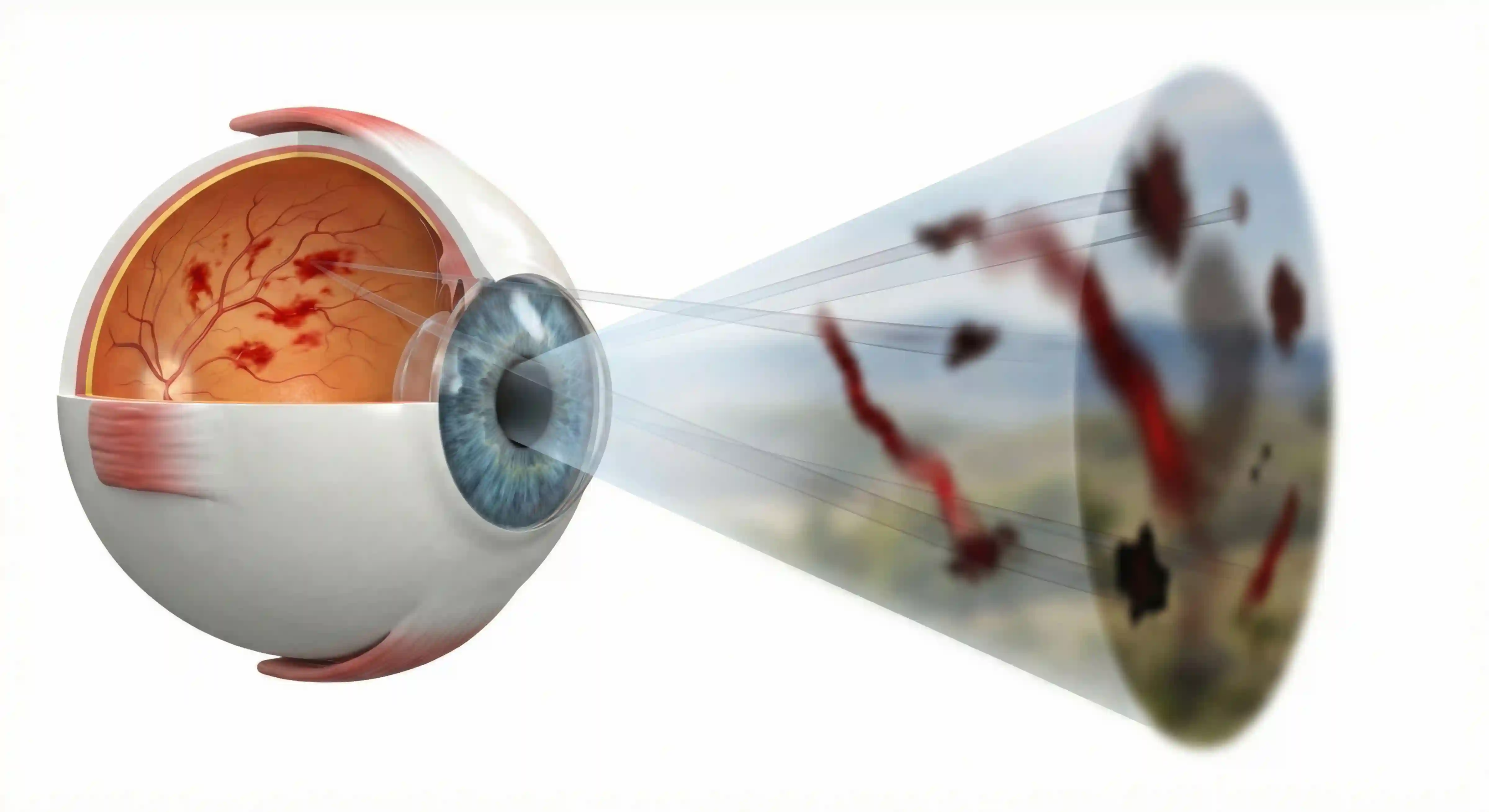
Floaters are small spots, cobwebs, or thread-like shapes that drift through your field of vision. While occasional floaters can be normal, a sudden increase in floaters in vision should never be ignored.
A rapid appearance of new floaters may indicate bleeding inside the eye or traction on the retina. In some cases, it can signal a retinal tear that requires urgent treatment.
Among the most important retinal damage signs, new floaters deserve prompt evaluation by a retina specialist.
2. Flashes of Light
Many patients describe seeing brief streaks or flashes, particularly in darker environments. These flashing light eyes symptoms occur when the vitreous gel inside the eye pulls on the retina.
While flashes can sometimes be harmless, persistent flashing lights in vision may indicate retinal traction or a developing retinal tear.
Because retinal tears can progress to retinal detachment, flashes are considered one of the most serious retinal damage signs.
3. Sudden Vision Changes
Unexpected changes in vision should always be taken seriously.
Sudden vision changes may include:
- Blurred vision
- Distorted vision
- Difficulty reading
- Areas of missing vision
These symptoms can occur with retinal vascular disease, retinal detachment, macular conditions, and other serious disorders.
When these signs appear suddenly, immediate medical evaluation is recommended.

4. A Shadow or Curtain Across Your Vision
A dark shadow or curtain moving across part of your visual field is a classic warning sign of retinal detachment.
This symptom occurs when the retina begins separating from the back of the eye. Without prompt treatment, permanent vision loss may occur.
Of all retinal damage signs, this is one of the most urgent and should never be ignored.
5. Distorted or Wavy Vision
Straight lines that appear bent, wavy, or distorted can indicate problems affecting the macula, the central portion of the retina responsible for detailed vision.
This symptom may be associated with:
- Macular degeneration
- Epiretinal membrane
- Macular hole
Distortion often develops gradually, making it one of the retinal damage symptoms patients sometimes overlook until vision becomes noticeably affected.
6. Blurred Vision That Does Not Improve
There are many blurry vision causes, including common conditions such as dry eye or refractive errors. However, persistent blurry vision that does not improve with blinking or corrective lenses may indicate a retinal problem.
Several retinal disorders can cause ongoing visual blur, including diabetic retinopathy, retinal swelling, and vascular abnormalities.
Because numerous retinal diseases present this way, persistent blur remains one of the retinal damage signs that warrants professional evaluation.
7. Changes Related to Diabetes
People with diabetes face an increased risk of retinal complications. Early diabetic retinopathy symptoms may not always be obvious, which is why regular retinal examinations are essential.
As the condition progresses, patients may experience:
- Blurry vision
- Floaters
- Dark spots
- Difficulty seeing clearly
Recognizing diabetic retinopathy symptoms early can help prevent severe vision loss through timely treatment and monitoring.
Conditions Commonly Associated with Retinal Damage
Several retinal diseases may present with the symptoms discussed above, including:
- Macular Degeneration
- Diabetic Retinopathy
- Retinal Vascular Disease
- Retinal Detachment
- Macular Hole
- Epiretinal Membrane
Many of these conditions share similar retinal damage symptoms, making a comprehensive retinal examination important for an accurate diagnosis.
How to Protect Your Retinal Health
Although not every retinal condition can be prevented, certain habits support long-term retinal health:
- Schedule routine eye examinations
- Manage diabetes and blood pressure
- Avoid smoking
- Seek immediate care for new visual symptoms
- Follow treatment recommendations for existing eye conditions
Early recognition of retinal damage signs remains one of the most effective ways to protect vision.
Why Regular Retinal Exams Matter
Many serious retinal diseases develop before noticeable symptoms appear. A detailed retinal examination can detect abnormalities early, often before significant vision loss occurs.
Patients with diabetes, high blood pressure, a family history of retinal disease, or previous retinal conditions should be particularly diligent about routine evaluations.
Regular monitoring allows specialists to identify retinal damage signs at the earliest possible stage and recommend appropriate treatment.
The Bottom Line
Serious retinal conditions often provide warning signs before permanent vision loss occurs. Recognizing retinal damage signs such as new floaters, flashes of light, distorted vision, or sudden visual changes can lead to earlier diagnosis and better outcomes.
While not every symptom indicates a retinal emergency, any significant change in vision deserves prompt attention. Understanding retinal damage signs empowers patients to seek care when it matters most and helps protect long-term visual health.
Expert Retina Care Matters
At phretina, we provide personalized and evidence-based treatment approaches to diagnose and manage a wide range of retinal conditions.
If you are experiencing any retinal damage signs or have concerns about changes in your vision, a comprehensive retinal evaluation at phretina can help determine the cause and guide to proper care.
Frequently Asked Questions
-
What are the most common retinal damage
signs?
Common retinal damage signs include floaters in vision, flashes of light, distorted vision, blurry vision, and sudden vision changes. -
Can retinal damage signs appear suddenly?
Yes. Some signs, such as retinal tears or retinal detachment symptoms, can develop suddenly and require urgent medical evaluation. -
Are floaters in vision always a sign of retinal
disease?
Not always. However, a sudden increase in floaters in vision may indicate a retinal problem and should be evaluated by a specialist. -
Can diabetic retinopathy symptoms cause permanent
vision loss?
Yes. Untreated diabetic retinopathy symptoms can progress and lead to significant vision loss. Early detection and treatment are essential.