
Macular degeneration affects the central part of the retina and gradually reduces sharp, detailed vision. It primarily impacts the macula, which is responsible for reading, driving, and recognizing faces. While no diet can reverse the condition, choosing the right food for good eye health can support retinal cells and potentially slow progression.
Nutrition is not a cure. It is a long-term cellular support. When done consistently, it becomes one of the most practical tools for protecting vision.

Why Food for Good Eye Health Matters
The retina consumes a high level of oxygen and is exposed to light every day. That makes it vulnerable to oxidative stress, which occurs when unstable molecules damage cells. Over time, this contributes to macular changes.
A steady intake of antioxidant-rich food for good eye protection helps reduce stress. Antioxidants neutralize free radicals and protect delicate retinal tissue. Building daily meals around food for good eye support strengthens the macula at a biological level.
Leafy Greens and Carotenoids
Leafy greens form the backbone of any food for good eye plan. Spinach, kale, and collard greens contain lutein and zeaxanthin, two carotenoids that concentrate in the macula.
Lutein rich foods and other lutein foods help filter harmful blue light. Zeaxanthin benefits include improved contrast sensitivity and protection against light-related stress. Including these vegetables regularly builds a strong food for good eye routine and supports central vision.
Omega 3 Fatty Acids and Retinal Structure
Fatty fish are another essential component of food for good eye health. The retina contains DHA, an omega 3 fatty acid that supports photoreceptor cells. Salmon, sardines, and mackerel provide meaningful amounts of DHA.
These foods that improve vision help maintain the structure of retinal cells. For plant-based options, flaxseeds and walnuts offer omega 3 fats, although conversion to DHA is limited. Still, they contribute to balanced food for a good eye approach.
Vitamins and Minerals That Support Vision
Vitamin C supports healthy retinal blood vessels. Vitamin E protects cell membranes from oxidative damage. Zinc plays a role in transporting vitamin A to the retina, which supports visual function.
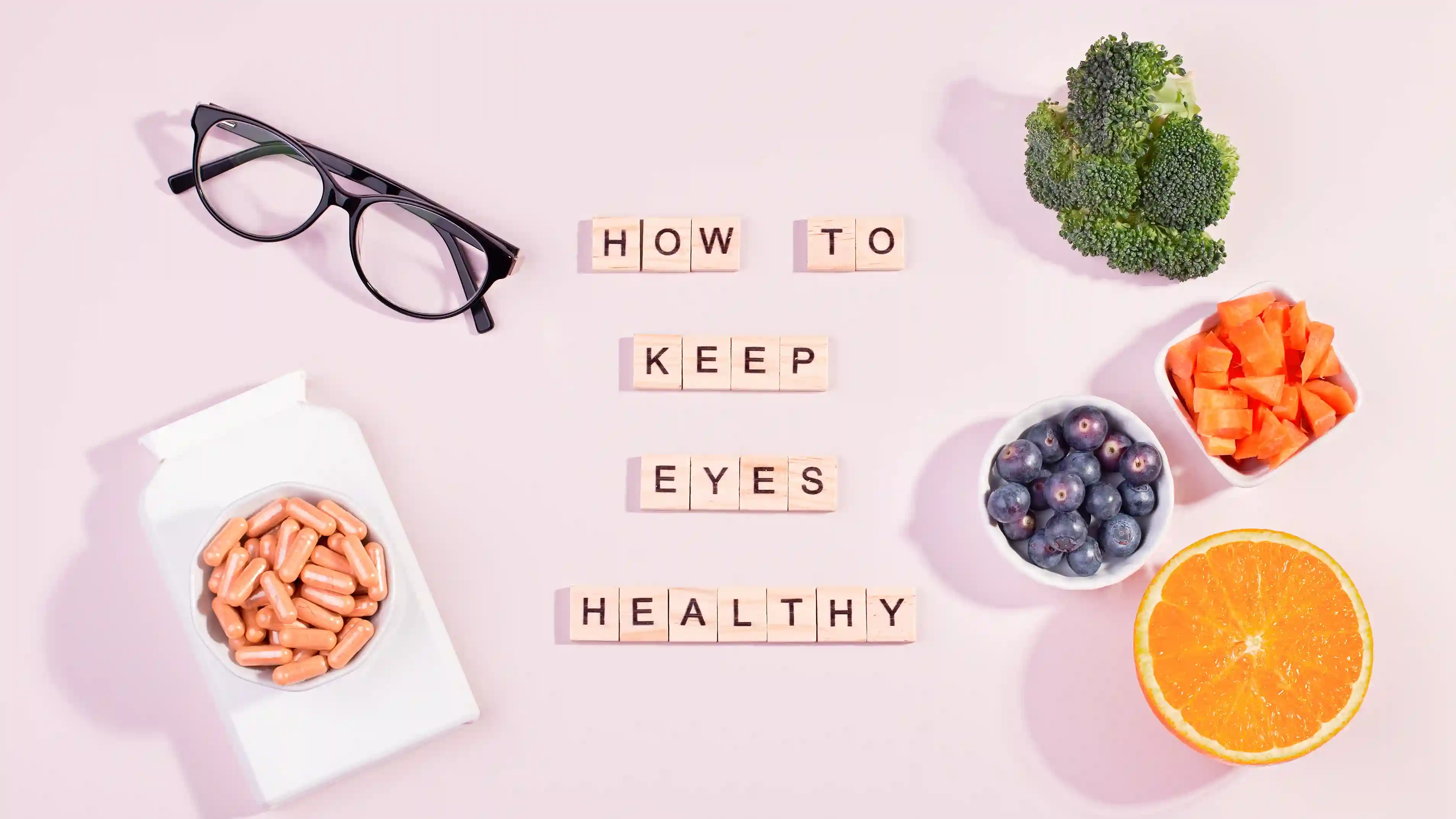
Citrus fruits, bell peppers, almonds, sunflower seeds, pumpkin seeds, legumes, and lean meats are healthy foods for eye health that provide these nutrients. A consistent food for good eye pattern includes a variety of these options to ensure broad nutritional coverage.
The Role of Supplements
Some patients benefit from macular supplements based on the AREDS 2 formula. These dietary supplements for eye health contain antioxidants and minerals shown to slow progression in certain stages of macular degeneration.
However, supplements should complement, not replace, whole food for good eye choices. Whole foods offer additional compounds and fiber that support overall health in ways isolated nutrients cannot fully replicate.
Foods to Limit for Better Eye Health
Highly processed foods, excess sugar, and unhealthy fats increase inflammation and oxidative stress. Over time, these factors may affect circulation, including blood flow to the retina.
If someone wants to understand how to prevent macular degeneration through diet eye health principles, reducing inflammatory foods is essential. A balanced plate centered on food for good eye health prioritizes vegetables, fruits, whole grains, lean proteins, and healthy fats.
A Practical Daily Plan
A simple daily example of food for good eye support could include eggs with spinach for breakfast, grilled salmon over a kale salad for lunch, almonds and berries as a snack, and lentils with broccoli for dinner.
These meals reflect many of the best foods for macular degeneration and the best foods for eye health overall. Consistency matters more than perfection.
The Long-Term Perspective
Macular degeneration is influenced by age, genetics, and lifestyle. Nutrition remains one of the most controllable factors. Choosing food for good eye protection every day allows the retina of the eyes to receive essential nutrients that support function and resilience.
There is no single superfood that guarantees results. Instead, steady habits centered on food for good eye health create a foundation for protecting vision over time.