
The retina depends on healthy blood circulation to function properly. When blood flow becomes blocked, serious vision complications can occur. One condition that affects retinal circulation is CRVO eye disease, a vascular disorder that can lead to sudden or progressive vision loss.
Because symptoms may develop unexpectedly, understanding CRVO eye disease is important for early diagnosis and timely treatment. If left untreated, this condition can lead to permanent retinal damage and serious visual complications.
What Is CRVO?
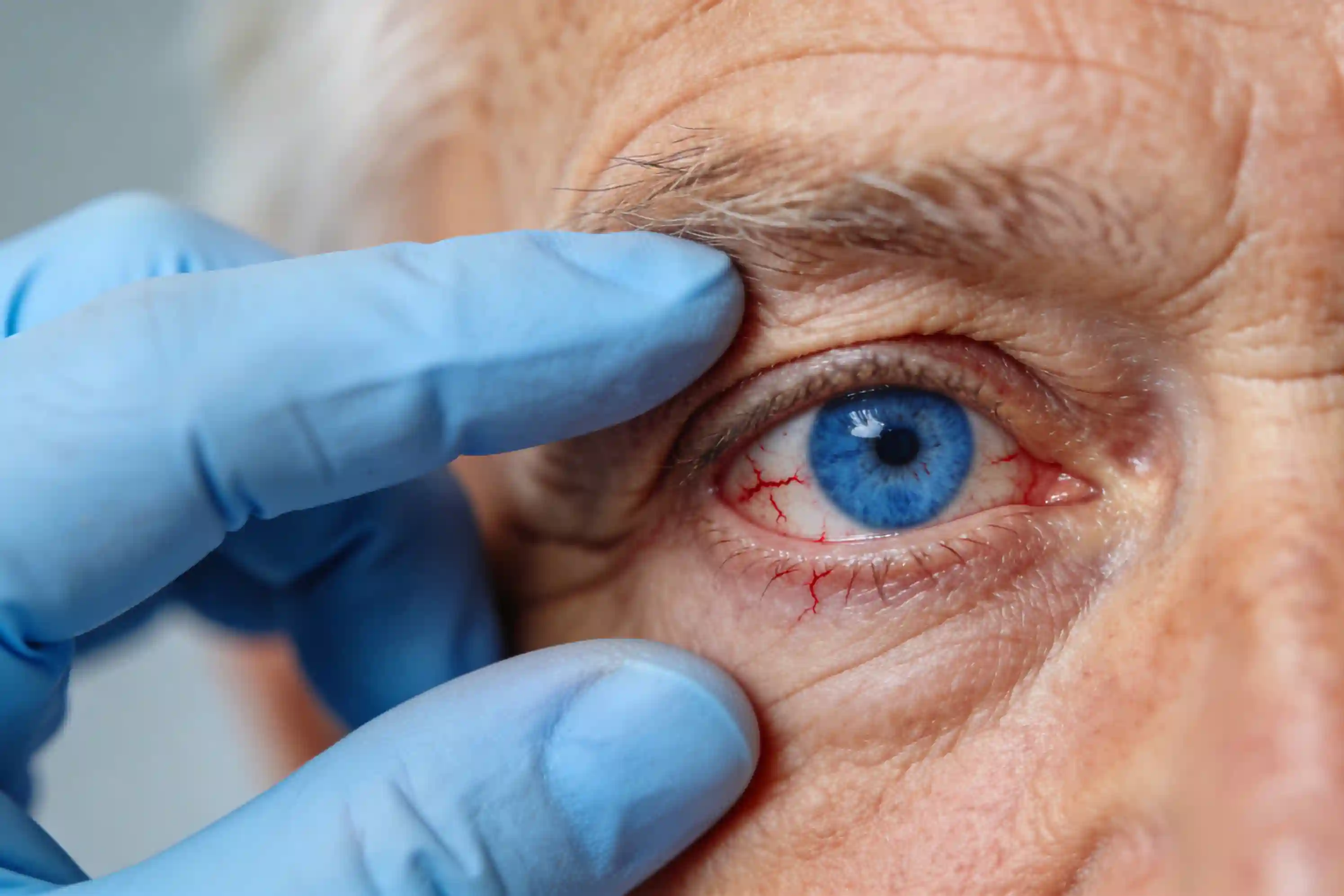
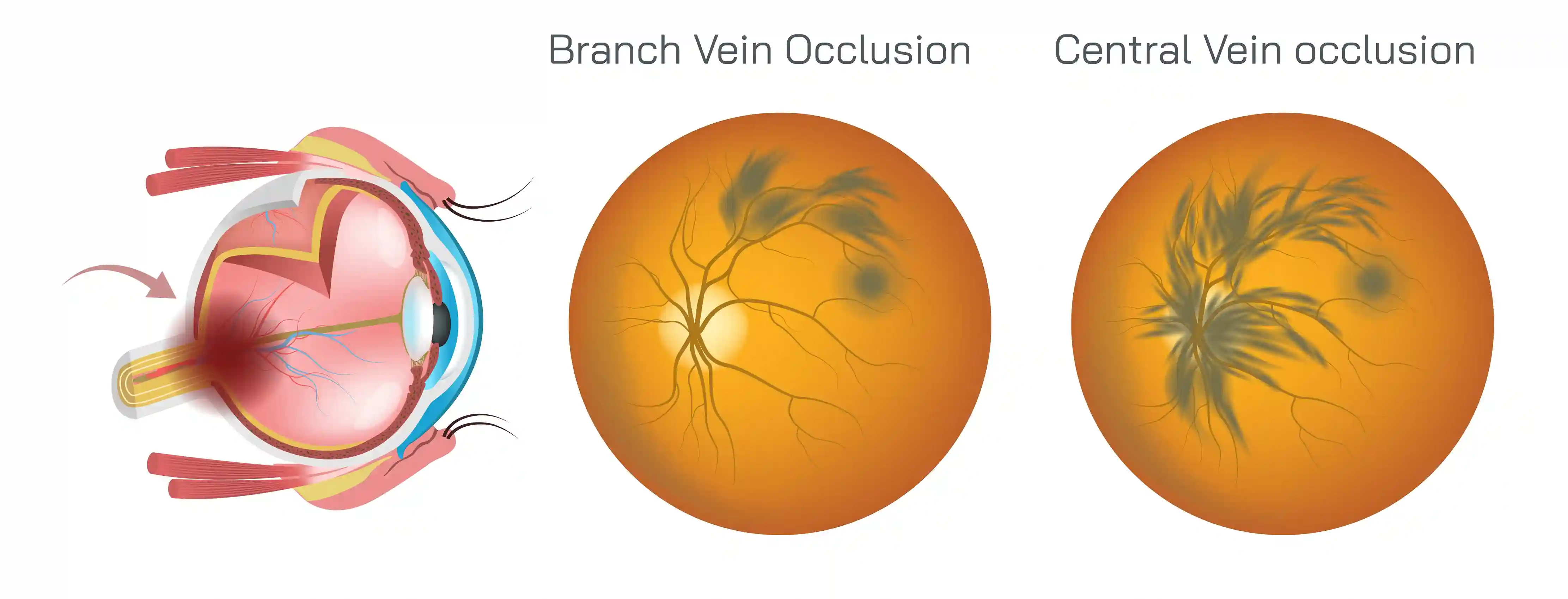
CRVO stands for central retinal venous occlusion, a condition that occurs when the main vein responsible for draining blood from the retina becomes blocked.
Many patients describe this blockage as an eye clot because blood flow through the retinal vein becomes restricted. As pressure builds inside the retinal blood vessels, leakage, swelling, and retinal damage may occur.
It can affect one eye suddenly and often requires prompt evaluation by a retina specialist.
How Does a Vein Become Blocked?
The retina contains arteries that bring blood into the eye and veins that carry blood away. When a vein becomes compressed or blocked, circulation is disrupted.
Several factors may contribute to occluded vein problems in the retina, including:
- High blood pressure
- Diabetes
- Elevated cholesterol
- Smoking
- Glaucoma
- Age-related vascular changes
These conditions may increase the likelihood of developing CRVO eye complications over time.
Types of CRVO
There are two primary forms of central retinal venous occlusion:
Non-Ischemic CRVO
This type is generally the milder form. Blood flow is reduced but not completely restricted. Vision may remain relatively stable in some patients.
Ischemic CRVO
This form is more severe and occurs when blood flow becomes significantly compromised. Ischemic CRVO eye disease carries a higher risk of retinal damage and long-term vision loss.
Distinguishing between these forms is important because treatment recommendations and prognosis may differ.
Common CRVO Symptoms
Symptoms can vary depending on the severity of the blockage.
Common CRVO symptoms include:
- Sudden blurry vision
- Distorted central vision
- Dark spots or floaters
- Vision loss in one eye
- Reduced visual clarity
Some individuals notice symptoms immediately, while others experience gradual worsening over time. Because it can progress quickly, sudden visual changes should never be ignored.
Causes of Central Retinal Vein Occlusion
Patients often ask about the causes of central retinal vein occlusion and why the condition develops.
In many cases, the condition is linked to underlying vascular disease. Conditions that affect blood vessel health may increase the risk of retinal vein blockage.
Common causes of central retinal vein occlusion include:
- Hypertension
- Diabetes mellitus
- Cardiovascular disease
- Blood clotting disorders
- Smoking-related vascular damage
Age also plays a key role, as retinal blood vessels naturally become more vulnerable over time.
Complications Associated With CRVO
Without treatment, CRVO eye disease can lead to several serious retinal complications.
These may include:
- Macular edema
- Retinal ischemia
- Abnormal blood vessel growth
- Secondary glaucoma
- Retinal detachment (in severe cases due to traction or retinal damage)
- Permanent vision loss
Macular edema, or swelling in the central retina, is one of the most common causes of visual impairment associated with central retinal venous occlusion.
What Happens If You Ignore It?
Ignoring CRVO symptoms can significantly increase the risk of irreversible retinal damage.
As circulation remains impaired, oxygen delivery to the retina decreases. This can lead to worsening retinal injury, ongoing swelling, and abnormal vessel formation.
In severe cases, untreated CRVO eye disease may result in permanent loss of central vision.
Prompt diagnosis allows retinal specialists to monitor disease progression and recommend appropriate treatment before complications become more advanced.
How Is CRVO Diagnosed?
A detailed retinal evaluation is necessary to confirm the diagnosis.
This may include:
- Dilated retinal examination
- Optical coherence tomography (OCT)
- Retinal imaging
- Fluorescein angiography
These tests help assess retinal swelling, circulation, and the severity of central retinal venous occlusion.
Treatment Options for CRVO
Treatment depends on the severity of the condition and associated complications.
Management may include:
- Anti-VEGF injections
- Monitoring retinal swelling
- Laser treatment in selected cases
- Management of underlying vascular conditions
Controlling blood pressure, diabetes, and other systemic risk factors also play an important role in long-term retinal health.
Early treatment often improves outcomes in patients with CRVO eye disease.
Why Regular Retinal Exams Matter
Many vascular retinal conditions develop with little warning before vision becomes affected.
Routine retinal examinations can help identify circulation abnormalities early, particularly in patients with diabetes, hypertension, or cardiovascular disease.
Regular monitoring also helps detect complications associated with CRVO eye disease before they progress.
The Bottom Line
CRVO eye disease is a serious retinal vascular condition caused by blockage of the main retinal vein. Symptoms such as sudden blurry vision, floaters, or vision loss should never be ignored.
Understanding central retinal venous occlusion, its risk factors, and potential complications can help patients seek prompt care and reduce the risk of permanent vision loss.
Early diagnosis and ongoing retinal monitoring remain essential for protecting long-term vision.
Expert Retina Care Matters
At phretina, patients receive specialized care for a wide range of retinal conditions.
The focus is on preserving vision and providing long-term retinal care with a patient-centered approach.
If you experience sudden vision changes or symptoms, a prompt retinal evaluation can help protect your sight.
Frequently Asked Questions
-
What is CRVO eye disease?
It occurs when the central retinal vein becomes blocked, disrupting blood flow and damaging the retina. -
What are common CRVO symptoms?
Common CRVO symptoms include blurry vision, floaters, distorted vision, and sudden vision loss in one eye. -
What causes central retinal vein occlusion?
Common causes of central retinal vein occlusion include high blood pressure, diabetes, smoking, glaucoma, and vascular disease. -
Can CRVO cause permanent vision loss?
Yes. Without timely treatment, it can lead to retinal damage and permanent loss of vision.