
Digital screens have become an unavoidable part of modern life. Whether it’s checking messages, working on a laptop, or scrolling through a phone, most people are exposed to screens for several hours every day. This shift has led to growing concern about the blue light effects on eyes and whether long-term exposure could contribute to serious conditions like macular degeneration.
Patients often come across alarming claims online, ranging from permanent vision loss to something called “phone blindness.” These concerns make it important to separate clinical evidence from speculation.
Understanding the real blue light effects on eyes allows patients to make informed decisions about their eye health without unnecessary fear.

What Is Blue Light and Where Does It Come From?
Blue light is a high-energy visible light that comes from both natural and artificial sources. The sun is the largest source, but it is also emitted by digital screens, LED lighting, and other modern devices.
Unlike ultraviolet light, blue light passes through the front of the eye and reaches the retina. This is why discussions around blue light effects on eyes often focus on potential retinal damage and long-term eye health risks.
Does Blue Light Damage the Eyes?
One of the most common questions patients ask is: does blue light damage the eyes?
The answer is more nuanced than a simple yes or no.
Laboratory studies suggest that very high-intensity exposure can cause cellular changes in the retina. However, current clinical evidence shows that everyday exposure from digital screens is not strong enough to cause permanent retinal damage.
This means that while the topic of blue light effects on eyes is widely discussed, the risk from routine device use is still low.
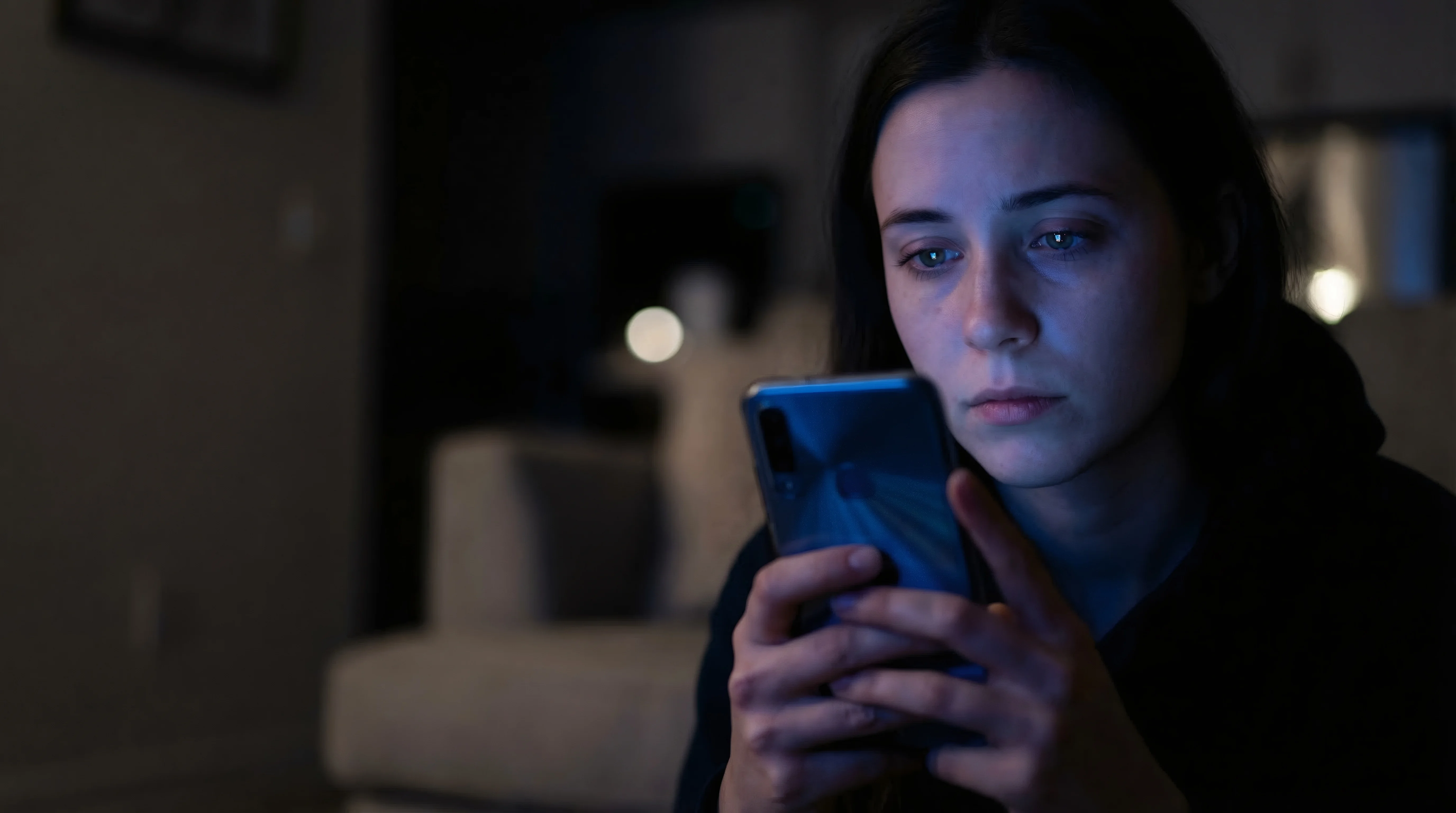
Blue Light and Macular Degeneration: Is There a Real Link?
Macular degeneration affects the central part of the retina, known as the macula, and is a leading cause of vision loss.
Some studies suggest that long-term exposure to high-energy light may contribute to macula damage. However, this is primarily linked to sunlight exposure rather than digital screens.
In clinical practice, the evidence does not support the idea that screen exposure alone causes macular degeneration. When evaluating blue light effects on eyes, it is important to separate theoretical risks from proven clinical outcomes.
Why Do Screens Still Cause Eye Discomfort?
Even if serious retinal damage is unlikely, many people still experience symptoms after prolonged screen use.
These include:
- Dry eyes
- Blurred vision
- Eye strain
- Headaches
This condition is often referred to as digital eye strain. It is not caused directly by blue light itself, but by reduced blinking and prolonged focus on screens.
So, while people often blame blue light effects on eyes, the real issue is how we use digital devices.
Is Blue Light Harmful to Eyes in Daily Life?
A common concern stays: is blue light harmful to eyes?
Based on current research, the answer is that typical exposure levels from screens are not harmful to the retina.
However, excessive exposure, especially combined with poor visual habits, can affect comfort and sleep quality. Blue light can interfere with the body’s natural sleep cycle, making it harder to rest after screen use at night.
Understanding these blue light effects on eyes helps patients focus on practical solutions rather than unnecessary fear.
What About “Phone Blindness”?
The term “phone blindness” has gained attention online, but it is not a medically recognized condition.
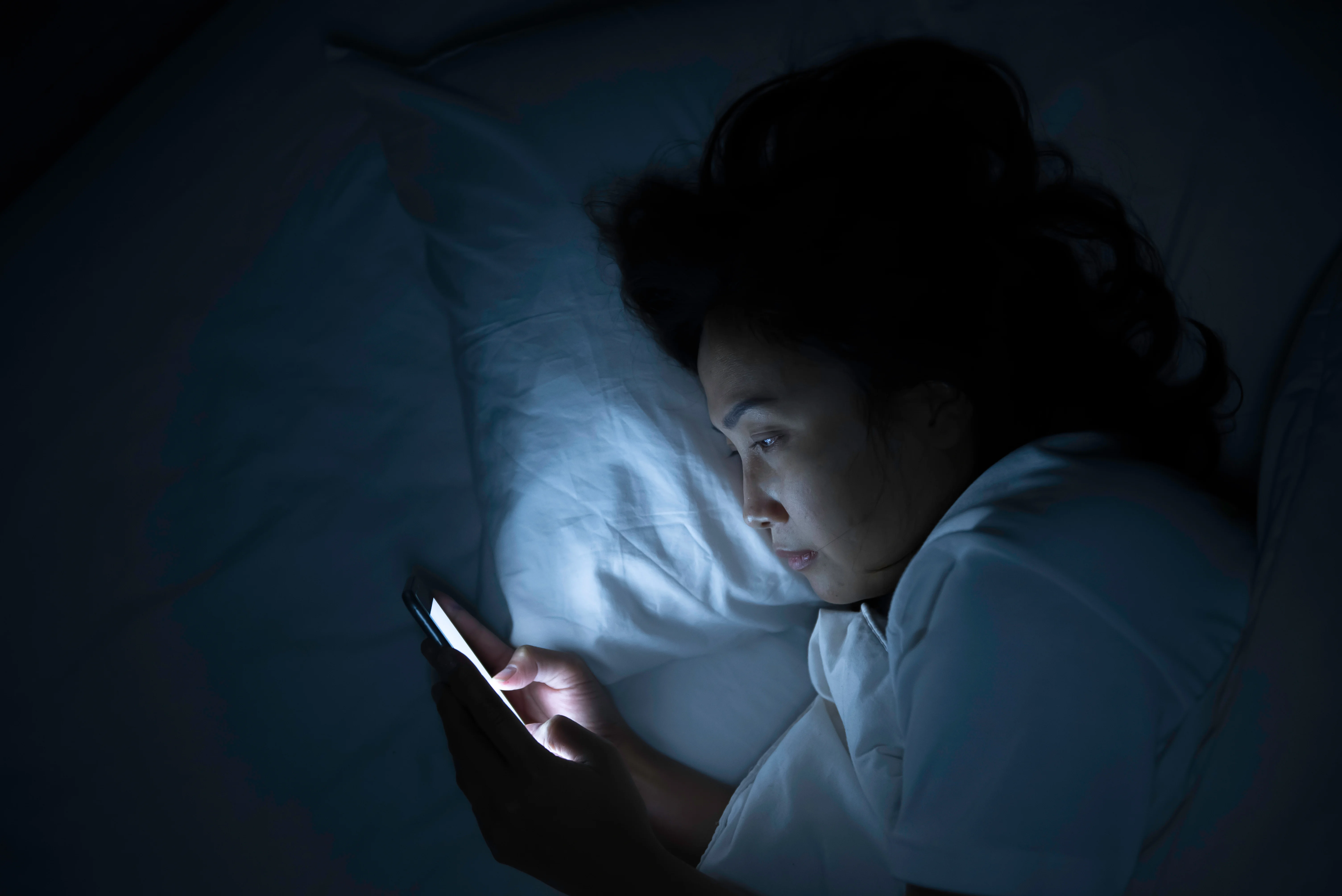
Temporary vision changes can occur when one eye is exposed to bright light while the other is in darkness, such as using a phone in bed. These effects are short-lived and do not indicate permanent retinal damage.
This highlights how misconceptions around blue light effects on eyes can lead to unnecessary anxiety about vision loss.
Do Blue Light Glasses Actually Help?
Blue light glasses are widely marketed for eye protection, but their benefits are often overstated.
Current evidence shows that these glasses do not significantly prevent retinal damage or improve long-term eye health.
They may reduce glare or improve comfort for some users, but they are not essential for protecting against serious conditions.
When discussing blue light effects on eyes, it is important to rely on evidence rather than marketing claims.
How to Protect Your Eyes from Digital Screens
Instead of worrying excessively about blue light, focusing on healthy screen habits is far more effective for eye protection.
Simple steps include:
- Following the 20-20-20 rule
- Adjusting screen brightness
- Maintaining proper viewing distance
- Blinking regularly
- Using night mode in low-light settings
These measures support overall eye health and reduce strain associated with prolonged screen use.
When Should You Be Concerned?
While blue light effects on eyes are often overstated, certain symptoms should not be ignored.
Seek evaluation if you notice:
- Distorted or wavy vision
- Difficulty reading or recognizing faces
- Dark or blurred central vision
- Sudden changes in sight
These may indicate underlying retinal conditions that require specialist care.
Conclusion
The conversation around blue light effects on eyes has created confusion for many patients. Current evidence shows that digital screens are not a direct cause of macular degeneration or permanent retinal damage.
Rather than focusing on fear, the priority should be maintaining healthy screen habits, protecting overall eye health, and recognizing early warning signs of retinal issues.
Regular eye evaluations and timely care remain the most effective ways to preserve vision and ensure long-term retinal health.
FAQs
-
Does blue light damage the eyes permanently?
Everyday screen use isn’t linked to permanent retinal damage, high-intensity exposure in laboratory settings can affect retinal cells; typical use does not lead to lasting harm. -
Is blue light harmful to the eyes when using screens
all day?
Blue light from digital screens is not considered harmful at normal levels. However, prolonged screen use can cause eye strain, dryness, and discomfort, which are often mistaken for damage caused by blue light. -
Can blue light cause macular degeneration?
There is no strong clinical evidence linking digital screen exposure to macular degeneration. Most risks related to macula damage are associated with aging, genetics, and long-term sunlight exposure rather than everyday screen use. -
Do blue light glasses help with eye
protection?
Blue light glasses may improve visual comfort for some users, but they do not prevent retinal damage or serious eye conditions.