
Bleeding inside the eye can be alarming, especially when it causes sudden changes in vision. While some eye hemorrhages are minor and resolve on their own, bleeding inside the eye may also indicate a serious retinal condition that requires prompt evaluation and treatment.
Understanding the possible blood in eye causes, recognizing the symptoms, and knowing when to seek specialized care can help protect your vision. In this article, we'll explain the common causes of bleeding inside the eye, how it's diagnosed, available treatment options, and when it's important to see a retina specialist.
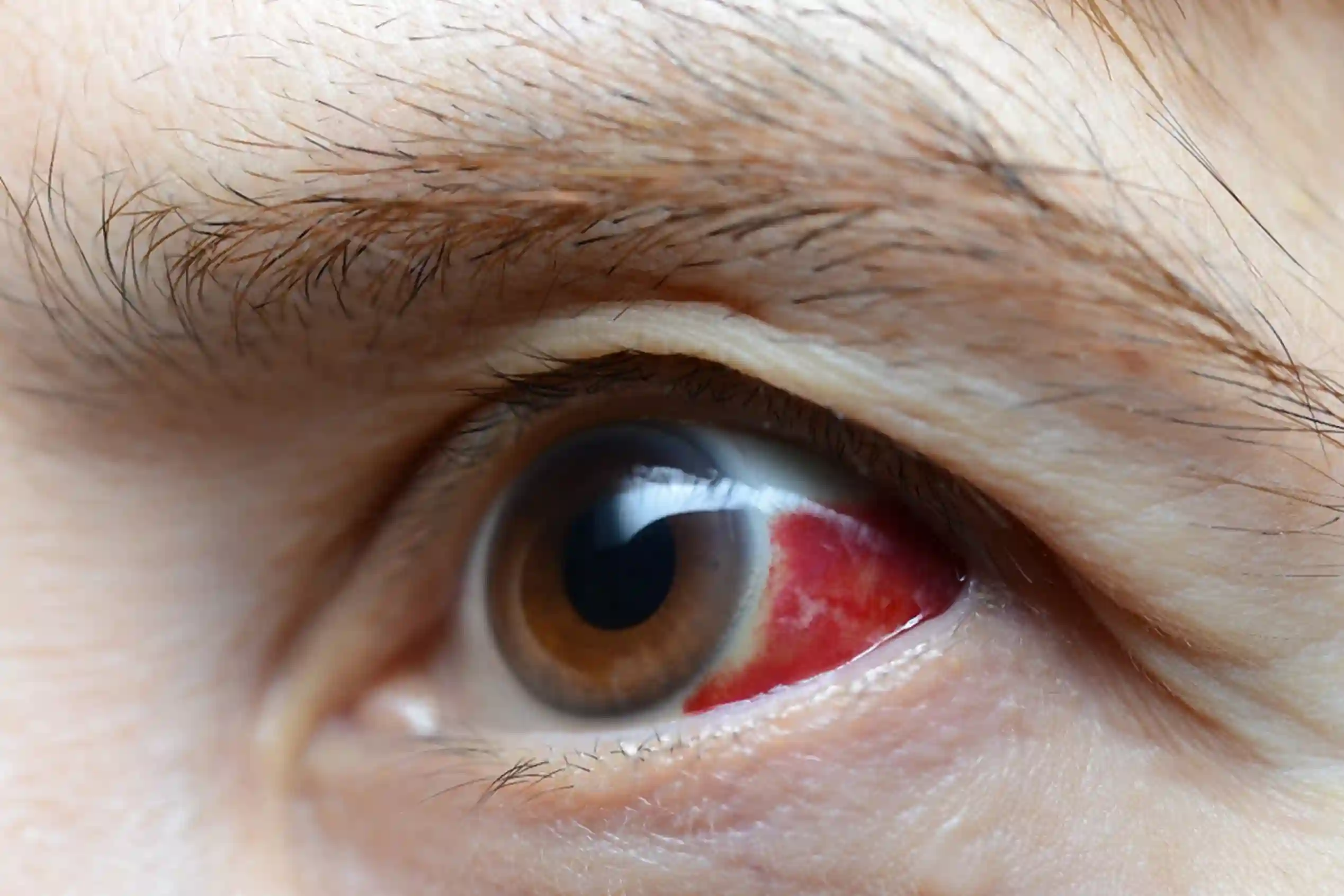
What Is Bleeding Inside the Eye?
Bleeding inside the eye refers to blood leaking into areas of the eye where it normally should not be. Unlike a subconjunctival hemorrhage, which causes a bright red patch on the white part of the eye and is often harmless, internal eye bleeding affects structures involved in vision, such as the retina or vitreous gel.
Depending on where the bleeding occurs, it may interfere with light reaching the retina, leading to blurred vision, floaters, flashes of light, or even sudden vision loss.
What Causes Bleeding in the Eye?
Many people ask, what causes bleeding in the eye? The answer depends on which part of the eye is affected and the underlying medical condition.
Some of the most common eye hemorrhage causes include:
Diabetic Retinopathy
Diabetes can damage the tiny blood vessels in the retina, causing them to leak blood or fluid. As the disease progresses, abnormal new blood vessels may form and bleed into the eye, resulting in sudden vision changes.
Retinal Tears or Retinal Detachment
A retinal tear can damage blood vessels and lead to bleeding into the vitreous, the gel-like substance that fills the eye. If left untreated, a retinal tear may progress to a retinal detachment, a sight-threatening emergency.
Age-Related Macular Degeneration (AMD)
Wet age-related macular degeneration occurs when abnormal blood vessels develop beneath the retina. These fragile vessels can leak blood and fluid, causing bleeding in the back of the eye and affecting central vision.
Retinal Vein Occlusion
A blocked retinal vein can increase pressure within the retinal blood vessels, causing bleeding and swelling that may affect vision.
Eye Injury
Blunt or penetrating trauma can damage blood vessels inside the eye, resulting in internal bleeding. Even seemingly minor injuries should be evaluated if vision changes occur.
High Blood Pressure and Blood Disorders
Uncontrolled hypertension and certain blood-clotting disorders may increase the risk of retinal bleeding, particularly in older adults or individuals with underlying health conditions.
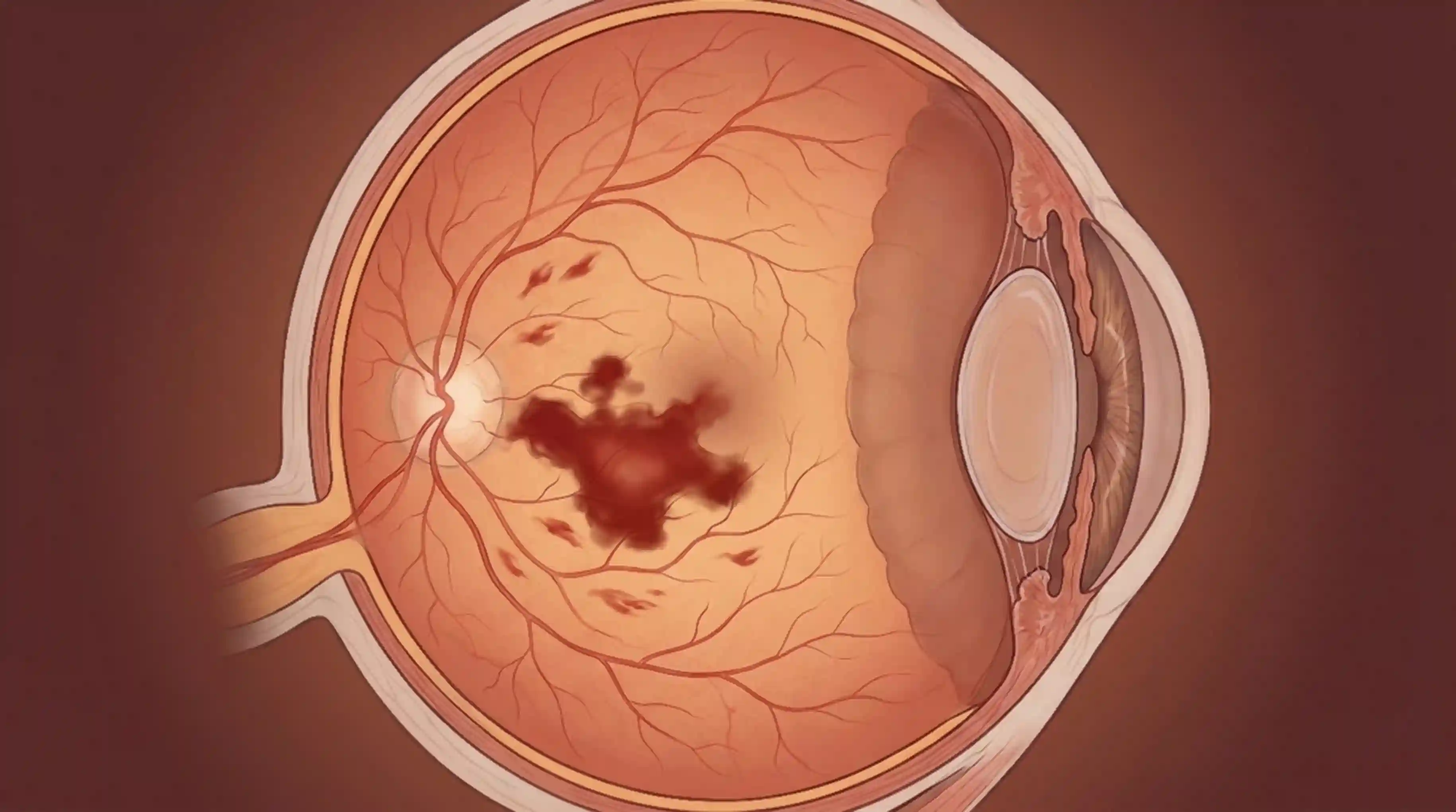
What Causes Retinal Bleeding?
Patients often ask what causes retinal bleeding specifically.
Retinal bleeding occurs when blood vessels within the retina become damaged or fragile. The most common causes include:
- Diabetic retinopathy
- Retinal vein occlusion
- Wet age-related macular degeneration
- Retinal tears
- Eye trauma
- Severe high blood pressure
- Certain blood disorders
The severity of retinal bleeding varies depending on the location and amount of bleeding. Early evaluation is important to determine the underlying cause and prevent additional retinal damage.
Symptoms of Bleeding Inside the Eye
Symptoms may develop suddenly or gradually, depending on the cause and severity of the bleeding.
Common symptoms include:
- Sudden blurry vision
- Floaters or dark spots
- Flashes of light
- Shadows or a curtain over part of the vision
- Distorted vision
- Partial vision loss
- Sudden decrease in visual clarity
Some people experience painless vision changes, while others may notice symptoms following an eye injury.
Any sudden change in vision should be evaluated promptly by an eye care professional.
What Causes Bleeding Behind the Eye?
The phrase what causes bleeding behind the eye often refers to bleeding within or beneath the retina or vitreous.
Several retinal diseases can lead to bleeding behind the eye, including diabetic retinopathy, retinal tears, retinal vein occlusion, and wet macular degeneration. Because these conditions affect the retina, they may not be visible when looking in a mirror, making a comprehensive retinal examination essential.

How Is Bleeding Inside the Eye Diagnosed?
Retina specialist will perform a detailed evaluation to determine the source of the bleeding and identify the underlying condition.
Diagnostic testing may include:
Dilated retinal examination
Dilating the pupils allows a thorough view of the retina and vitreous to detect bleeding, retinal tears, or other abnormalities.
Optical Coherence Tomography (OCT)
OCT provides high-resolution images of the retina and helps identify swelling, fluid, or structural damage.
Fluorescein Angiography
This imaging test uses a special dye to highlight leaking or abnormal retinal blood vessels.
Ocular Ultrasound
If dense bleeding prevents a clear view of the retina, ultrasound imaging can help detect retinal detachment or other underlying problems.
What Is the Treatment for Bleeding Behind the Eye?
Many patients wonder, what is the treatment for bleeding behind the eye?
Treatment depends entirely on the underlying cause and the severity of the bleeding.
Options may include:
Observation
Small hemorrhages may resolve naturally over time with careful monitoring.
Anti-VEGF Injections
For conditions such as wet macular degeneration or diabetic retinopathy, anti-VEGF medications can reduce abnormal blood vessel growth and leakage.
Laser Treatment
Laser therapy may be recommended for diabetic retinopathy or retinal tears to reduce the risk of further bleeding and vision loss.
Vitrectomy Surgery
If significant bleeding into the vitreous does not clear or blocks vision, vitrectomy surgery may be recommended to remove the blood and treat the underlying retinal condition.
Our retina specialist will recommend a personalized treatment plan based on your diagnosis and overall eye health.
When Should You See a Retina Specialist?
You should seek prompt evaluation if you experience:
- Sudden blurry vision
- New floaters
- Flashes of light
- Loss of part of your visual field
- A sudden increase in dark spots
- Vision changes after an eye injury
Early diagnosis and treatment can help preserve vision and reduce the risk of permanent retinal damage.
Conclusion
Bleeding inside the eye is not a condition that should be ignored. While some cases may be relatively mild, others can signal serious retinal diseases such as diabetic retinopathy, retinal tears, retinal vein occlusion, or wet age-related macular degeneration. If you are concerned about bleeding inside the eye or have experienced new vision changes, schedule an evaluation with Dr. Paul Hahn and the team at phRETINA. Using advanced retinal imaging and evidence-based treatment, they provide personalized care for a wide range of retinal conditions to help protect your long-term vision.
Frequently Asked Questions
-
Is bleeding inside the eye an emergency?
Not every case of bleeding inside the eye is an emergency, but any sudden vision changes, new floaters, flashes of light, or partial vision loss should be evaluated promptly. These symptoms may indicate a retinal condition that requires timely treatment. -
Can bleeding inside the eye heal on its own?
Some small eye hemorrhages may resolve without treatment. However, internal bleeding caused by retinal diseases, diabetes, or eye injuries often requires evaluation by a retina specialist to determine the underlying cause and appropriate treatment. -
What causes bleeding behind the eye?
Several retinal conditions can cause bleeding behind the eye, including diabetic retinopathy, retinal tears, retinal vein occlusion, wet age-related macular degeneration, and eye trauma. A comprehensive retinal examination is needed to identify the source of the bleeding. -
What is the treatment for bleeding behind the eye?
The answer depends on the underlying condition. Treatment for bleeding behind the eye may include observation, anti-VEGF injections, laser therapy, or vitrectomy surgery. Our retina specialist will recommend the most appropriate treatment based on the cause and severity of the bleeding. -
Can diabetes cause bleeding inside the eye?
Yes. High blood sugar can damage the retina's blood vessels, causing them to leak blood or fluid and affect vision.